Discover
Fistral Beach
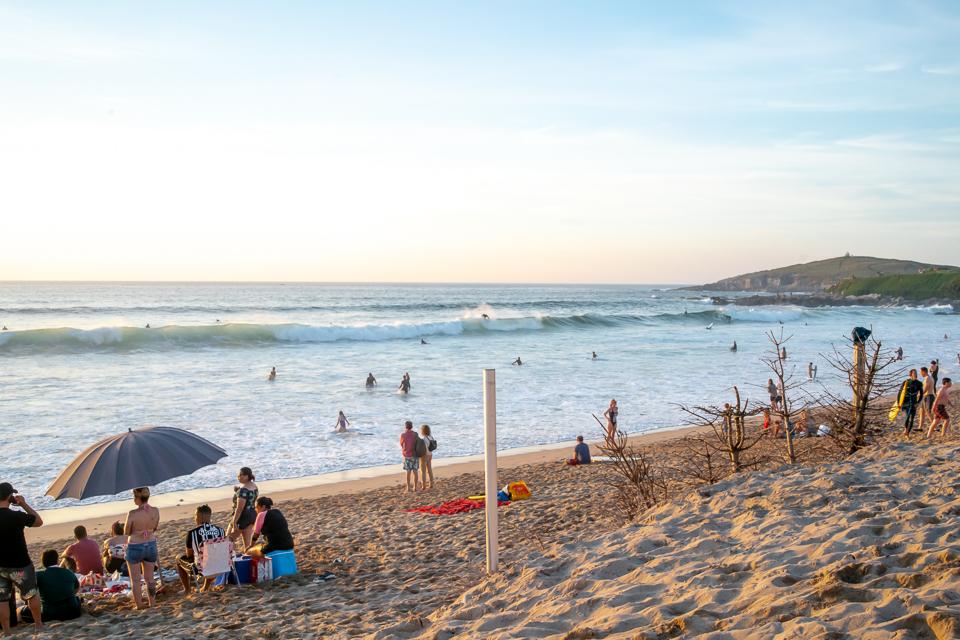
Cornwall's best-known surf break, with a consistent Atlantic swell and lifeguards through the season.
About Fistral Beach
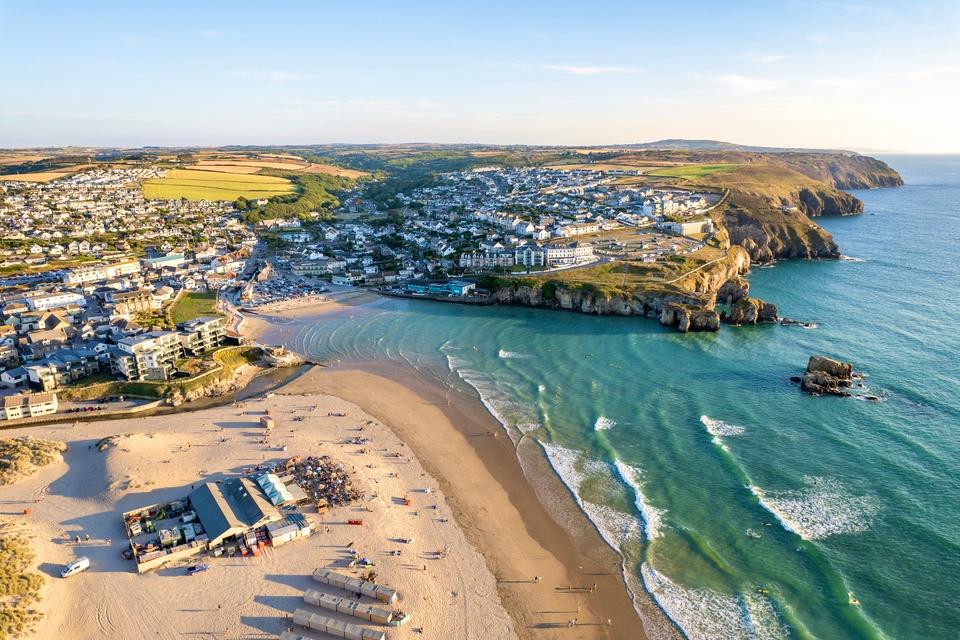
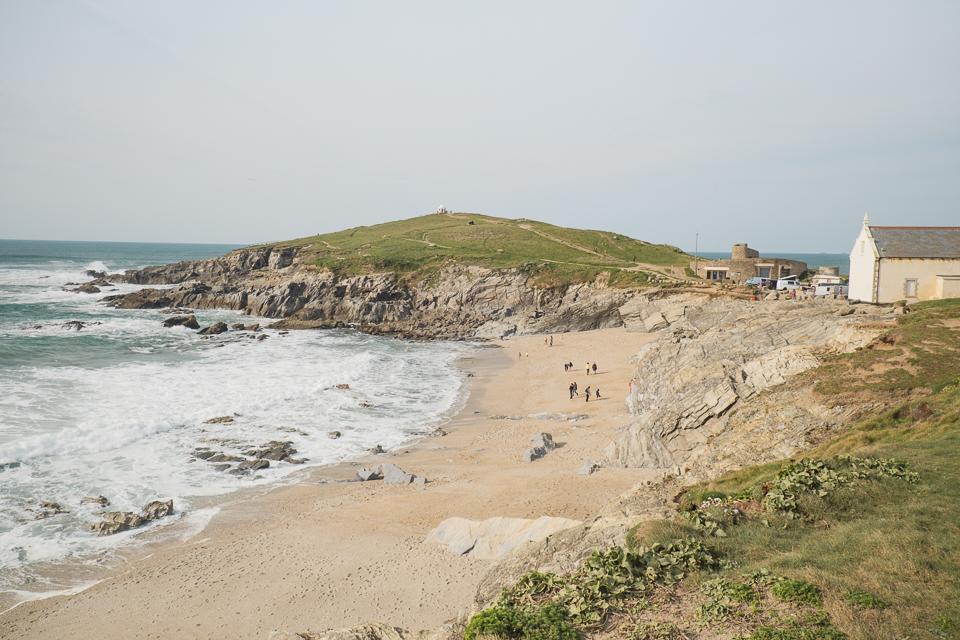
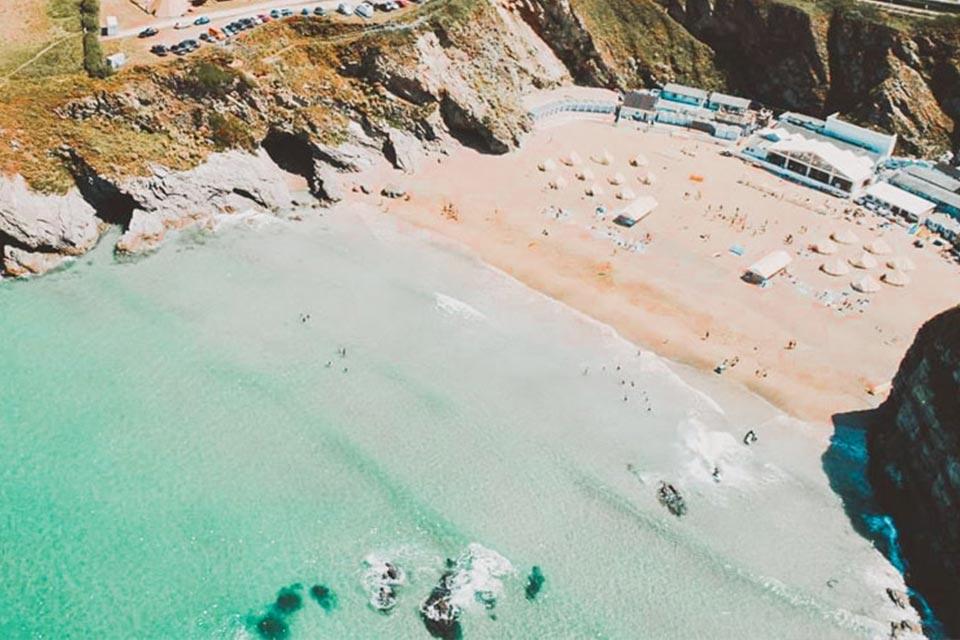
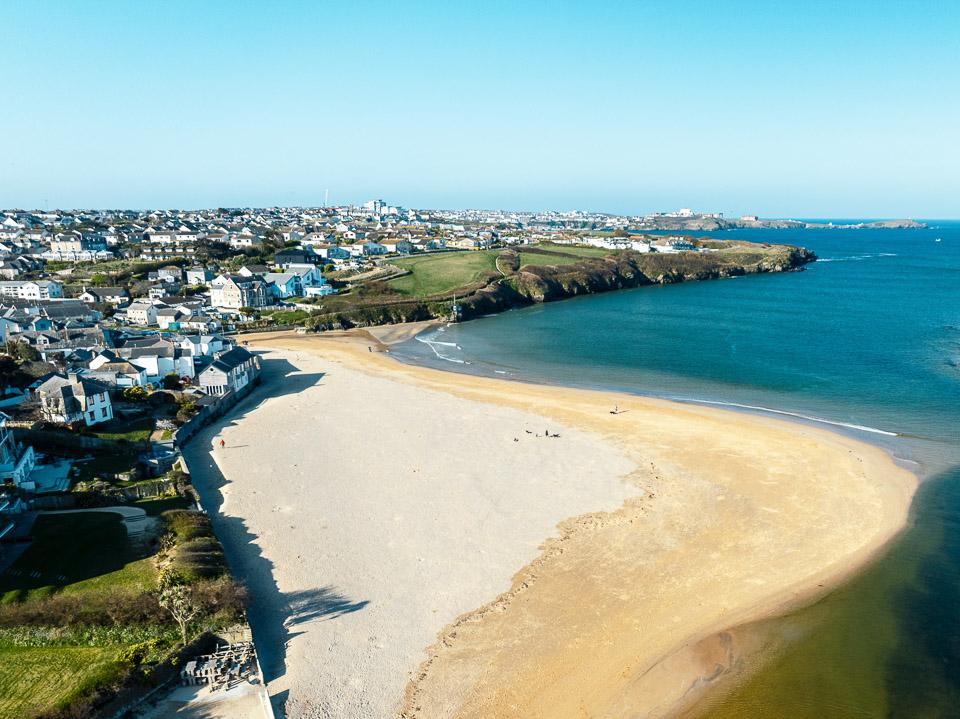
Fistral Beach is located in Newquay and is known as the Home of British Surfing. This wide golden sandy beach has its respect from being around 1 mile long and at low tide 1 mile wide giving great space for the family, although please be careful when entering the sea as there are strong rip currents that can occur here and the waves are generally bigger than the other beaches in the area as its more exposed to Atlantic swells.
ToiletsFistral Beach has 2 toilets which are located near Rick Steins, and additional facilities are available towards South Fistral Beach steps. Both toilets are closed during dusk.
Getting onto the beachThere is easy access from the car park which has disabled spaces
RNLI lifeguard cover
Daily 9 April – 30 October Patrol times 10 am – 6 pm
Patrol dates shift year to year, confirm with the RNLI before you rely on them.
What the flags mean
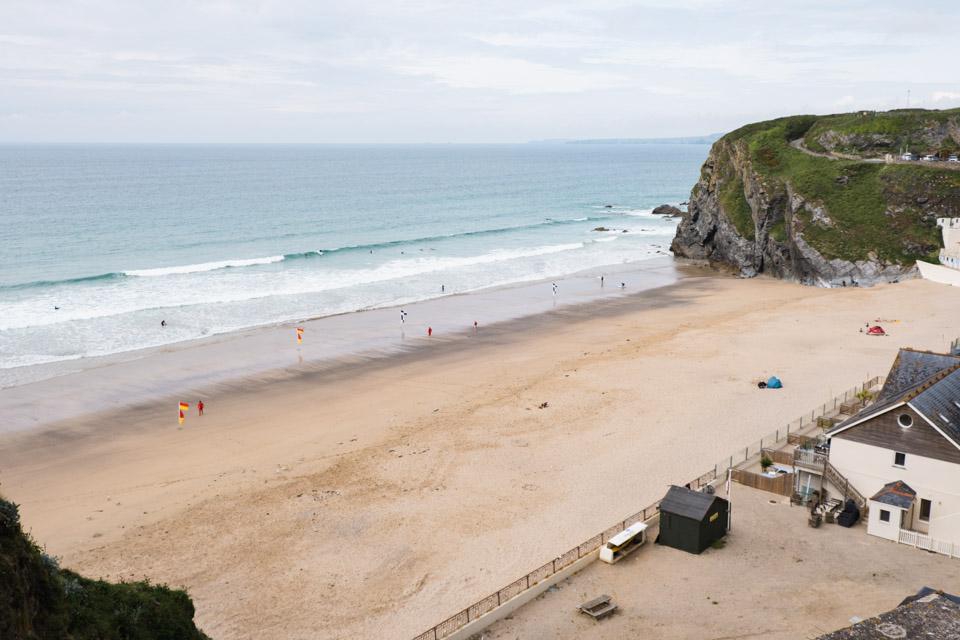
Swim between the red and yellow flags at Fistral Beach, it’s the only part of the beach being watched.
- Red and yellowThe lifeguarded zone. This is the safest place to swim, bodyboard and use inflatables, and the only stretch lifeguards actively patrol.
- Black and white chequeredFor surfboards, kayaks and other non-powered craft. Never swim or bodyboard between these flags, boards move fast and can't stop.
- Red flagDanger. Do not enter the water under any circumstances, however calm it looks from the sand.
- Orange windsockOffshore or strong winds. Inflatables will be blown out to sea in minutes, leave them in the car.
Photos
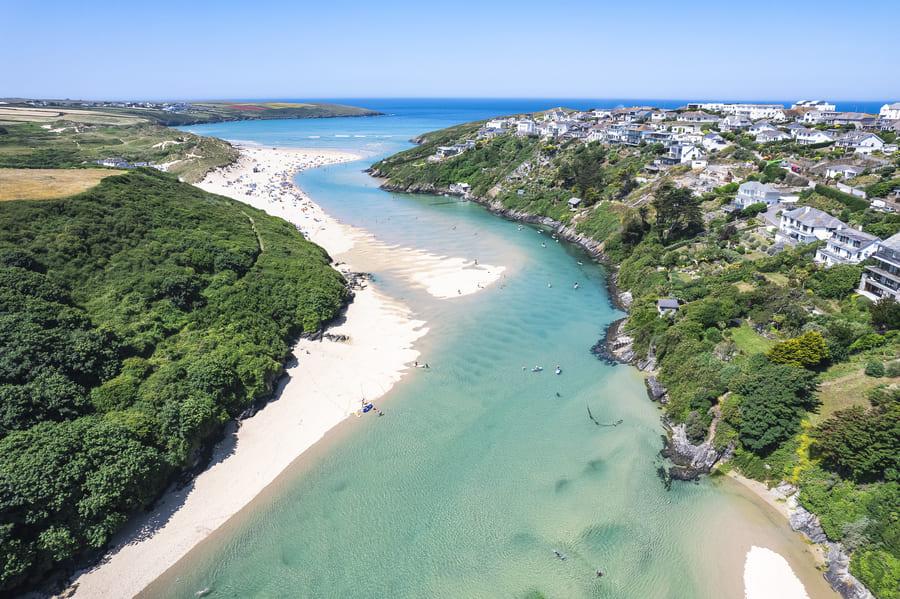
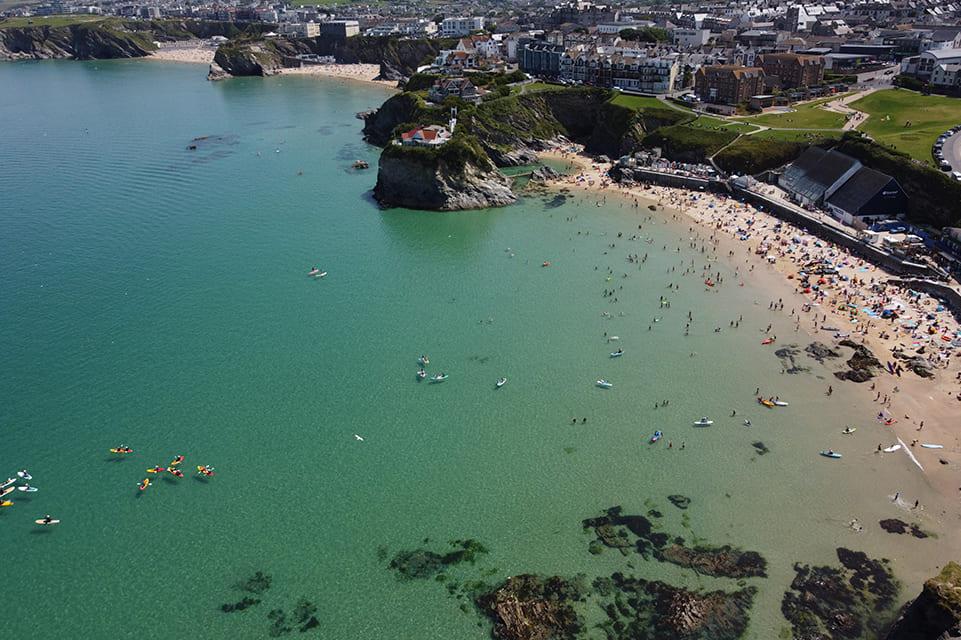
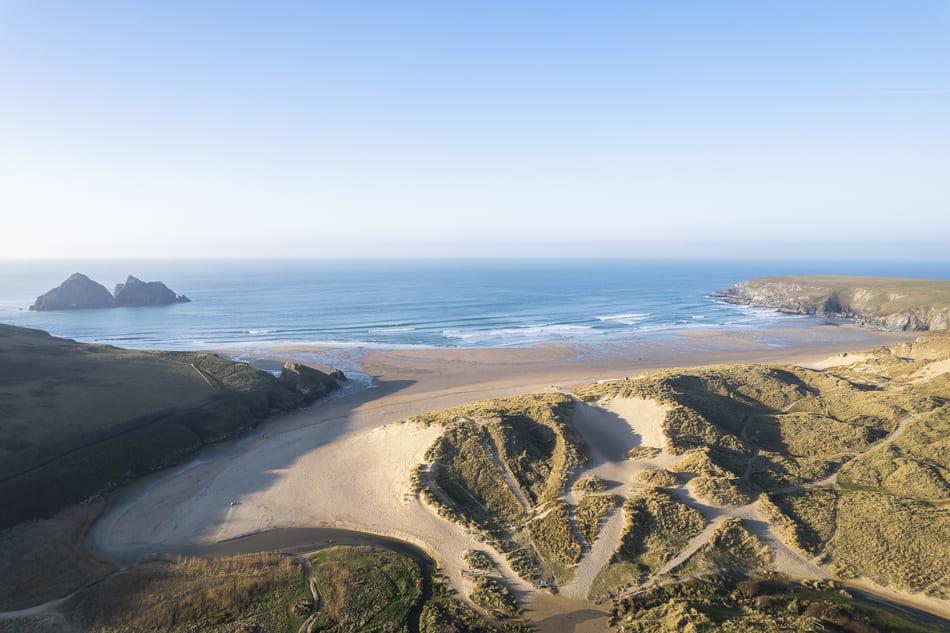
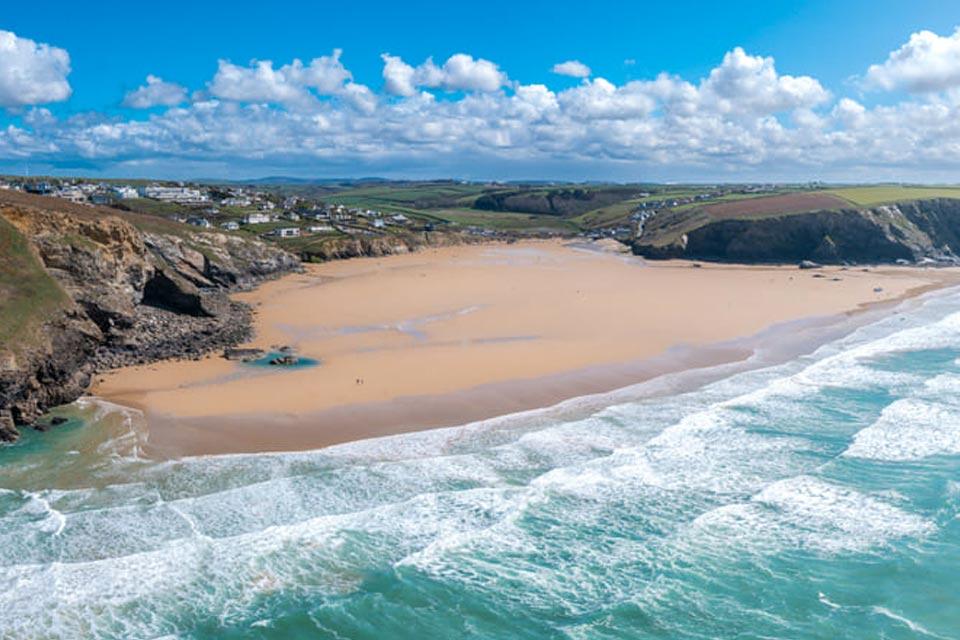
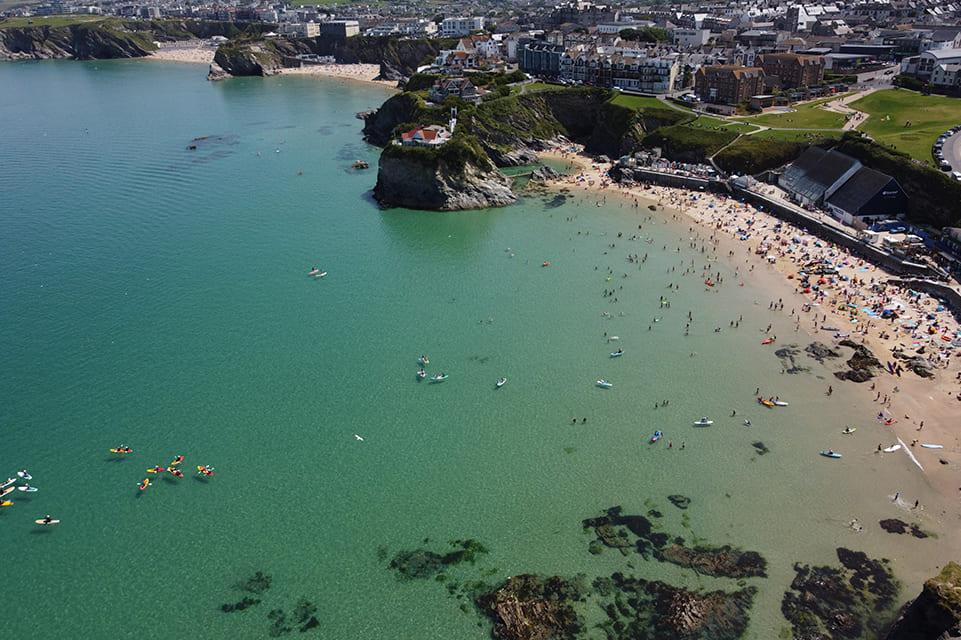
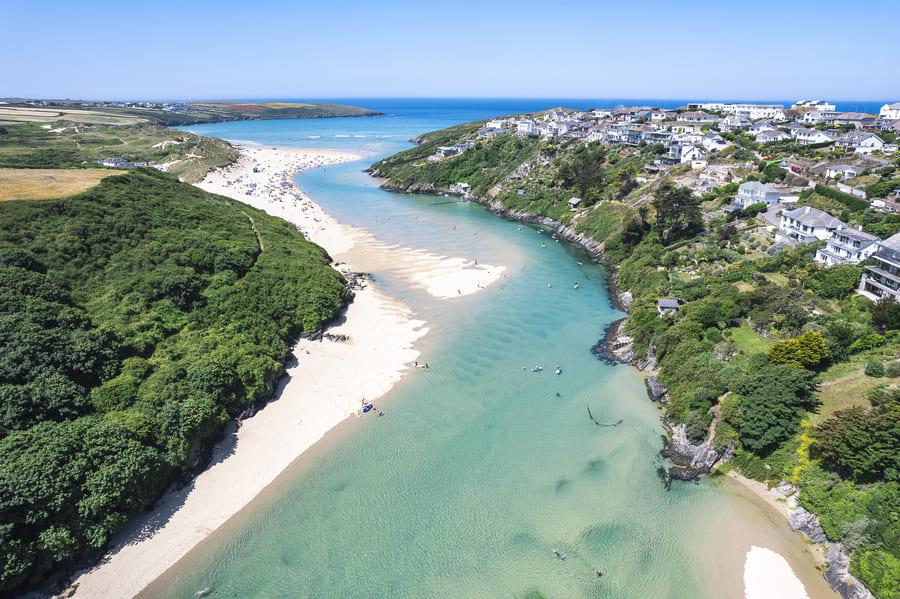
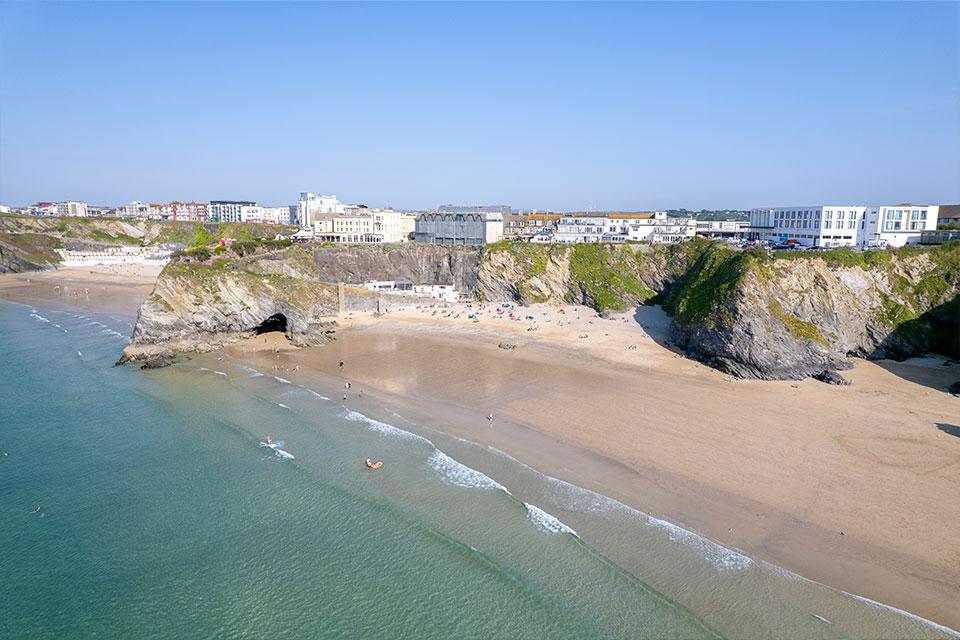
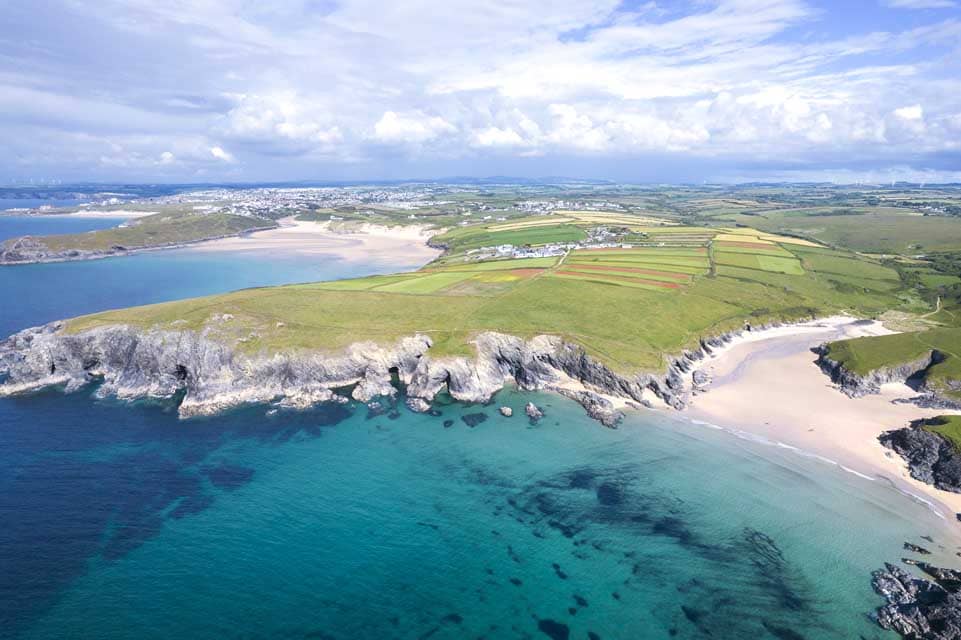
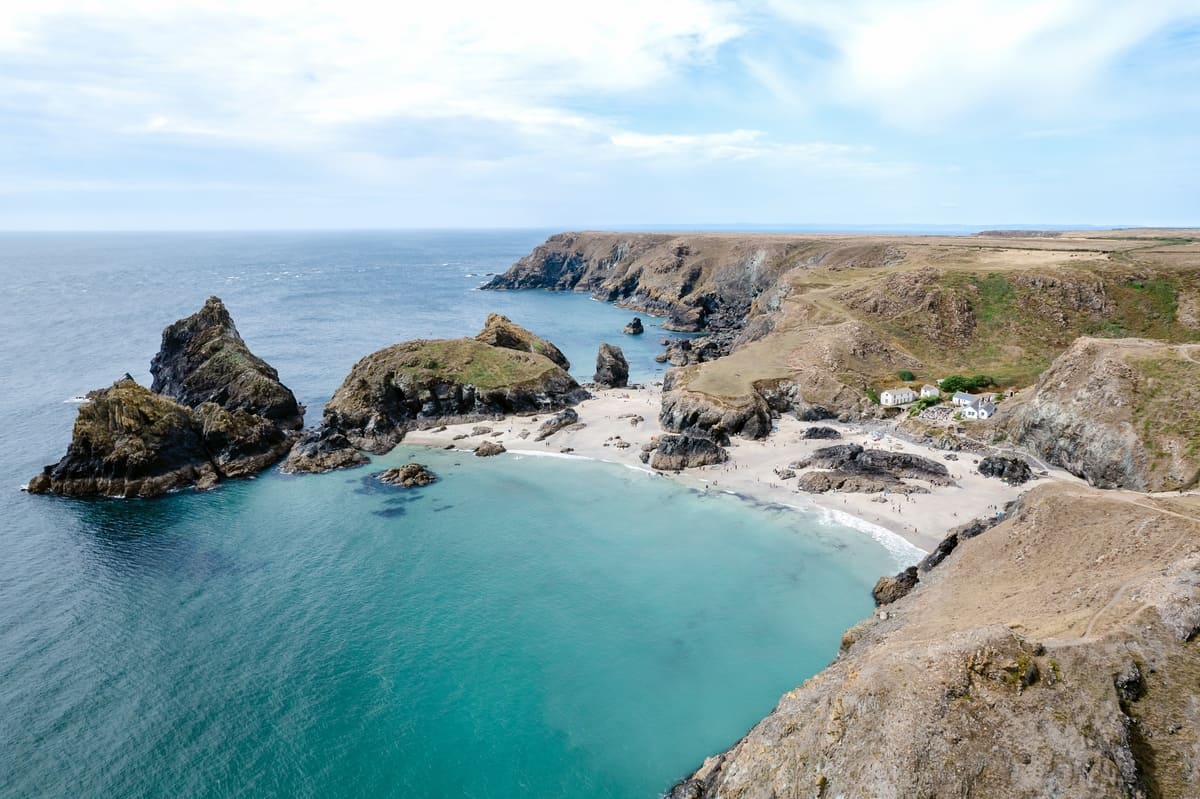
Tap any photograph of Fistral Beach to see the full frame.
Tap a photograph to see it full size.
Are dogs allowed on Fistral Beach?
Yes, dogs are allowed on Fistral Beach all year round.
- Dogs
- Welcome all year
- Restriction dates
- None
- Hours
- Not applicable
- Set by
- No restriction from council or landowner
- Last checked
- 16 October 2026
Tide times
Tides today at Fistral Beach
Next high water
Next low water
- Low 12:33am 0.8m
- High 6:31am 7.2m
- Low 1:03pm 0.8m
- High 7:01pm 6.9m
Tomorrow, Saturday 28 November
- Low 1:21am
- High 7:21am
- Low 1:55pm
- High 7:53pm
Important beach information
The sea here is beautiful and genuinely powerful. A few minutes reading this is the difference between a good day and a bad one.
Know before you swimRip currents, weever fish, jellyfish, cold water, tide cut-off
Rip currents
Rips are narrow channels of water flowing back out to sea, and they're the single biggest risk on Cornwall's Atlantic beaches. They often look deceptively calm: a flat, darker lane cutting through the breaking waves. If you're caught in one, don't try to swim against it. Stay calm and float to live: lean back, spread your arms and legs, and control your breathing until the panic passes. Then raise a hand and shout for help, or swim parallel to the beach to get out of the flow before heading in.
Weever fish
Small, sandy-coloured fish that bury themselves in the shallows, leaving venomous spines pointing upwards. Stings are most common on a low, warm summer tide and feel like a sharp, building burn in the foot. Treat by immersing the foot in water as hot as you can comfortably stand, around 40°C, for 30 to 90 minutes, which breaks the venom down. Beach shoes prevent almost all of them.
Jellyfish
Barrel, moon and compass jellyfish are common and mostly harmless. Lion's mane and the occasional Portuguese man o' war do sting, and still sting when washed up, so don't handle stranded ones. If you're stung, rinse with seawater rather than fresh, lift off any tentacles with the edge of a card, and get medical help if the reaction spreads or breathing is affected.
Cold water shock
Even in August the sea here rarely gets past 17°C. Going in fast triggers an involuntary gasp and a spike in heart rate. The reason many strong swimmers get into trouble. Walk in gradually, let your breathing settle before you swim out, and float rather than thrash if you get into difficulty.
Getting cut off by the tide
A lot of Cornwall's best coves shrink to nothing at high water, and the sea comes in behind you across a sandbar without any drama. Check the tide before you commit to a walk around a headland, and give yourself a wide margin on the way back.
In an emergency on the coast, call 999 or 112 and ask for the Coastguard.
Wildlife on this stretch of coastGrey seals, dolphins, basking sharks, seabirds
Grey seals
Cornwall holds a significant population, hauled out on rocks and quieter beaches year-round. Stay at least 100 metres away, keep dogs on leads near them, and never get between a seal and the water, disturbance forces them off the rocks and burns energy they need.
Dolphins and basking sharks
Bottlenose and common dolphins pass along this coast all year, and basking sharks, harmless plankton feeders, and the second-largest fish in the world, appear near the surface in late spring and early summer.
Seabirds and clifftop life
Fulmars, kittiwakes, gannets offshore and, increasingly, choughs on the western cliffs. Nesting season runs roughly March to July, so keep to the paths and dogs under control on clifftops.
Spotted a stranded marine animal?
If you find a live seal, dolphin, whale or turtle in distress on the beach, keep people and dogs well away and call British Divers Marine Life Rescue for expert help. Please don’t touch, feed or try to move the animal, and never push it back into the sea.
Call BDMLR01825 765546Your call could save its life.
Water quality at Fistral Beach
2025 season classification
Excellent
Measured at the designated bathing water Fistral North.
What this rating meansHow the Environment Agency works it out
This is the highest of the four ratings the Environment Agency gives, based on water samples the Environment Agency took across the 2025 bathing season and tested for E. coli and intestinal enterococci.
Checking today’s water
The rating above covers a whole season. It does not tell you about the water today. Quality can drop sharply after heavy rain, and storm overflows can discharge into the sea at short notice. Before going in, check a source that updates daily.
Where this comes fromEnvironment Agency open data, and what we do not claim
Water quality information on this page is republished from Environment Agency open data under the Open Government Licence v3.0. We reproduce it as published and do not test water ourselves, verify the readings, or monitor them continuously, so figures here may be out of date or incomplete. Nothing on this page is advice on whether it is safe to enter the water. That decision, and the conditions on the day, are yours to judge. Always check the official sources above before you swim.
Weather and sea conditions
Weather today
11°C
Light showers, high 11°, low 8°
Sea temperature
13°C
Wetsuit weather
Next few days at Fistral Beach
Fri
11°
8°
Light drizzle
Sat
13°
8°
Light showers
Sun
12°
8°
Light showers
Weather Powered by WeatherAPI.com, refreshed hourly. Always check conditions on the day before entering the water. Sea temperature: Generated using E.U. Copernicus Marine Service Information.
Map
Where Fistral Beach sits on the coast, with the beaches either side of it. Tap a pin to open its guide.
Surf information
- Surf height
- Thigh to Well Overhead (2-8ft)
- Board type
- All Board Types
- Best tide
- Works on all tides, but best Mid- Low
- Wind direction
- Easterlies, Southeasterlies
- Swell direction
- Northwest, West, Southwest
- Ability
- All ability levels, with beginners in the whitewater, and advanced surfers out the back
Things to do near Fistral Beach
Everywhere worth the drive within ten miles, all on one map.
Fistral Beach FAQ
Are dogs allowed on Fistral Beach?
Yes, dogs are allowed on Fistral Beach all year round. Neither Cornwall Council nor the landowner restricts dogs here, though lifeguarded areas and signs on the day still apply.
Can dogs go near the lifeguarded area at Fistral Beach?
No. Where a beach is lifeguarded, dogs are usually excluded from the zone between the red and yellow flags even outside the seasonal restriction. The rest of the beach is normally unaffected.
Is the water clean at Fistral Beach?
Fistral Beach is a designated bathing water, and the Environment Agency classified it as Excellent for the 2025 bathing season. That rating comes from samples taken across the whole season and tested for E. coli and intestinal enterococci, so it describes a season rather than the water on any given day. Quality can drop sharply after heavy rain. Check the Environment Agency's daily pollution risk forecast before you swim.
Why Is Fistral Beach Famous?
Fistral Beach and its environs boast a rich surfing heritage, making it a prestigious location to catch some waves. The beach was one of the pioneering surfing spots during the 1960s and has since evolved into one of the most sought-after surfing destinations across the globe.
Can You Swim In Fistral Beach?
Whilst it is possible to swim at Fistral we don’t recommend it as this is known as one of the best surfing beaches in Cornwall and the waves can be quite big.
Is Fistral Beach Car Park Free?
Fistral beach car park is now free for the first hour and an additional £1 per hour with charging times from 9am – 6pm.
Is Fistral Beach Good For Beginners?
Yes, fistral beach on the right day is a good beach for beginners to learn how to surf.
Does Fistral Beach Have Toiliets?
Yes, north fistral has toilets on the 2nd level of the platform and south fistral has a public toilet at the top of the staircase.
What Is Fistral Beach Postcode?
The fistral beach postcode is TR7 1HY.
Frequently asked questions about Fistral Beach.
Reviews of Fistral Beach
What it is actually like, from people who have been.
No one has reviewed Fistral Beach yet. If you have been, yours will be the first.