- Leisure
- 10 min read
- 19 March 2025
What Is Seaglass? & the Best Places to Find Seaglass in Cornwall
Cornwall’s rugged coastline is home to many hidden treasures, and one of the most magical is sea glass. These smooth, frosted gems are a favourite among beachcombers, collectors, and crafters alike. Whether you’re new to hunting for sea glass or a seasoned explorer, this guide will help you discover
Updated 1 August 2025 · Written by The Cornwall One team
Cornwall’s rugged coastline is home to many hidden treasures, and one of the most magical is sea glass. These smooth, frosted gems are a favourite among beachcombers, collectors, and crafters alike. Whether you’re new to hunting for sea glass or a seasoned explorer, this guide will help you discover where, when, and how to find the best pieces along Cornwall’s stunning shores.
What is Sea glass?
Sea glass is naturally weathered glass that has been tumbled by the ocean over time, transforming sharp-edged shards into smooth, frosted gems. It’s often found in shades of green, white, and brown, with rarer colours like cobalt blue and red being prized finds!
Each piece of sea glass has a story, maybe it was once part of a bottle tossed overboard, a shipwreck fragment, or even remnants of old seaside industries. Over decades (or even centuries), the ocean breaks it down, smoothing and shaping it into a polished treasure.
Why people love collecting sea glass?
For many, collecting sea glass is more than just a hobby, it’s a mindful, meditative activity that connects people with nature and the past. Whether you’re searching for common green and white pieces or hoping to spot a rare red or orange gem, the thrill of the hunt never gets old.
Sea glass collecting appeals to beachcombers, artists, and families alike, offering a sense of discovery, creativity, and nostalgia. Each find feels like a personal treasure, and no two pieces are ever the same.
The history of Sea glass hunting
Sea glass collecting began to gain popularity in the early 1900s, especially in coastal communities where glass waste often washed ashore. While people have always found smoothed bits of glass on beaches, it wasn’t until the mid-20th century that the term “sea glass” emerged and romanticised the hobby.
The golden age of sea glass spanned from the 1900s to the 1960s, when glass bottles and containers were widely used for everything from milk and medicine to soda and spirits. As plastic replaced glass in the 1970s, the influx of new sea glass declined, making older pieces even more valuable.
The hobby saw a resurgence in the 1990s and 2000s, thanks to artists, jewellers, and collectors who embraced sea glass for its beauty, history, and sustainability. Books like Pure Sea Glass by Richard LaMotte helped educate enthusiasts, and festivals around the world, like those in Cornwall, California, and Japan, have since celebrated the craft and community around it.
Some of the rarest finds even come from shipwrecks and historical glass dumps, offering collectors a genuine, tangible link to the past.
How is Sea glass made?
How is Sea Glass Made? (Step-by-Step Process)
Sea glass undergoes a fascinating transformation from discarded glass to smooth, frosted gems. Here’s how it happens:
Step 1: Glass Enters the Ocean
- Broken glass from bottles, windows, shipwrecks, or other sources is discarded or lost in the sea. Some glass may have been dumped intentionally in the past, while others come from natural disasters or maritime accidents.
Step 2: Waves Break the Glass
- The ocean’s movement causes the glass to crash against rocks and other debris, breaking it into smaller, jagged pieces. Tides and storms accelerate this process, helping to distribute the fragments.
Step 3: Sand and Water Smooth the Edges
- Over time, the continuous motion of waves and sand grinds down sharp edges, rounding out the glass. The abrasive action of sand and pebbles helps to smooth the surface.
Step 4: Chemical Weathering Creates the Frosted Look
- Seawater contains natural chemicals, including salt and acids, which react with the glass. These chemical processes break down the shiny surface, creating the signature frosted or matte appearance of sea glass.
Step 5: The Glass is Tumbled for Decades
- Depending on ocean conditions, it can take 20 to 100 years for a piece of glass to fully transform into sea glass. The longer it stays in the water, the smoother and more frosted it becomes.
Step 6: Sea Glass Washes Up on the Shore
- Once the sea glass is smooth enough, tides and currents carry it to beaches, often settling in shingle areas, rock pools, or mixed among shells and pebbles.
Whats the Best time to find Sea glass?
While sea glass can technically be found any time of year, certain conditions dramatically improve your chances of uncovering those beautifully frosted gems. Timing and strategy play a big role in turning an average beach stroll into a successful treasure hunt. Here’s what seasoned collectors know:
After a storm
Storms are nature’s way of stirring the ocean’s pot. Heavy wind and waves churn up the seabed, dislodge glass trapped beneath sand or rocks, and deposit fresh finds along the high tide line. After a big stor, especially one accompanied by strong tides produces the absolute best times to go seaglass hunting.
Focus on the areas where seaweed and debris gather, as these are hotspots for hidden pieces.
Low tide
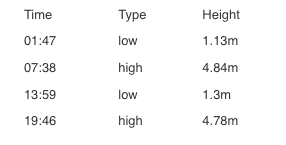
Low tide reveals more of the beach and gives you access to areas that are usually underwater. These zones often contain rock pools, crevices, and shingle beds where sea glass gets trapped. Arriving just before low tide allows you to follow the receding waterline and pick through the newly exposed shoreline before others arrive.
Early mornings
The early bird catches the sea glass! Getting to the beach just after sunrise gives you a better chance of finding freshly washed-up pieces before the crowds arrive. On popular beaches, many collectors head out at first light, so being prompt really pays off. Plus, the low angle of the morning sun can make it easier to spot the telltale glint of sea glass in the sand.
Winter months
Winter may not seem like beachcombing season, but for sea glass hunters, it’s a hidden gem. Fewer people on the beach means less competition, and winter storms often bring stronger waves and more frequent tide surges, perfect conditions for dislodging buried sea glass. Just wrap up warm and wear good shoes, as winter terrain can be slippery and rugged.
To track tide times and ensure you’re visiting at the best time go to our beaches and look for low tide as you can see from the screenshot below.
The best places in Cornwall to find sea glass
Cornwall is home to many beaches where sea glass can be found, but some spots are more fruitful than others. Here are some of the best locations:
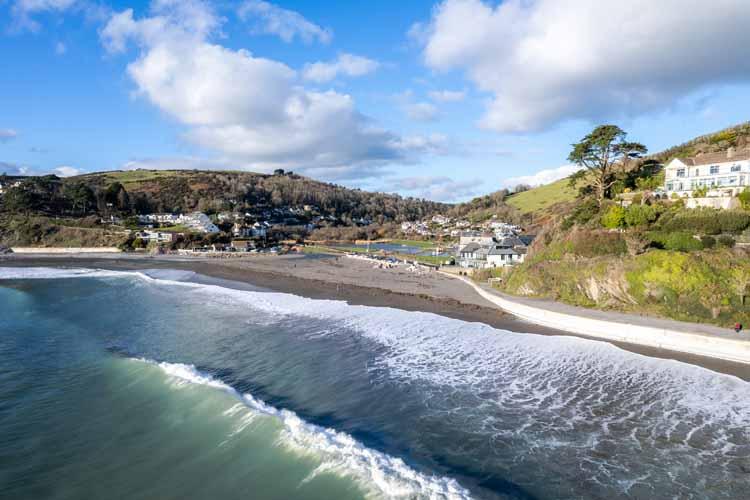
Seaton Beach
A mix of sand and shingle, Seaton Beach often turns up interesting finds, including sea glass and pottery.
Penzance & Long Rock Beach
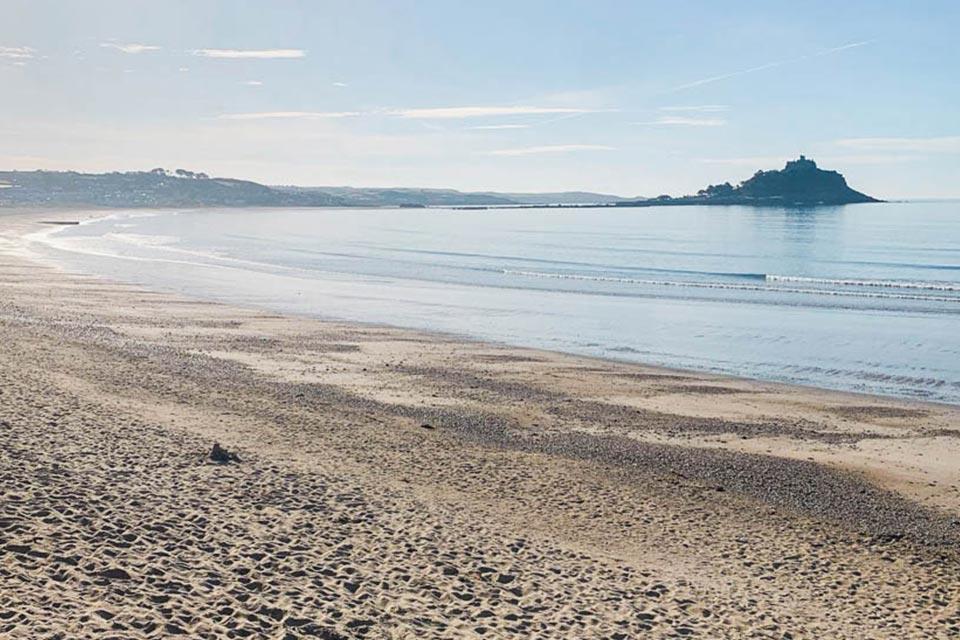
With its rich maritime history, the coastline around Penzance has seen its fair share of shipwrecks, making it a great place for sea glass hunting. We recommend checking Longrock Beach, Eastern Green beach and head over to Newlyn Tolcarne Beach as its more rocky and usually you can find a few after looking under the rocks.
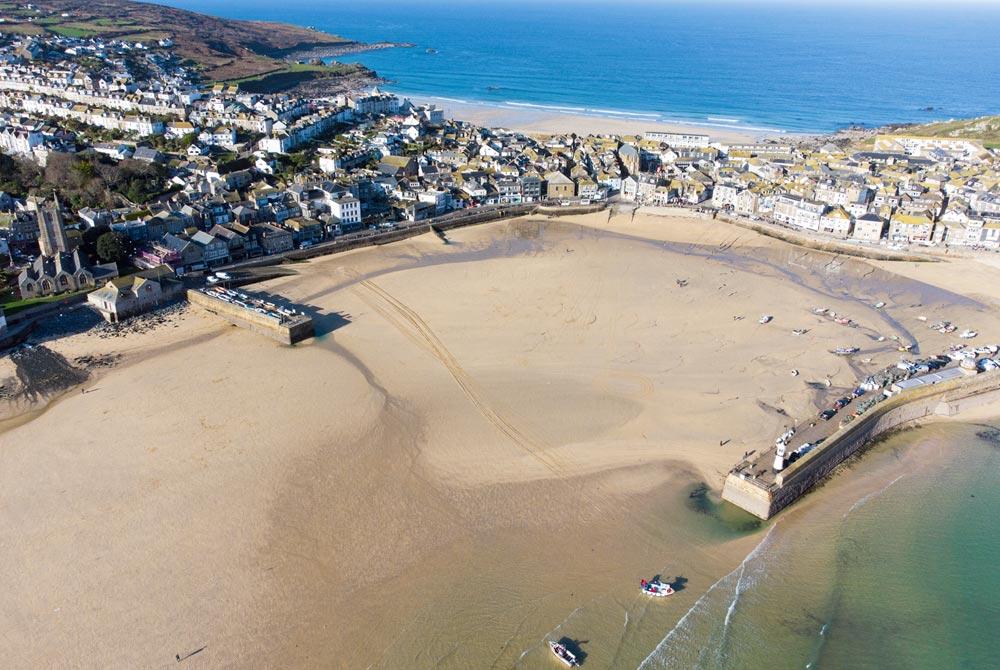
St Ives Harbour & Porthmeor Beach
A popular tourist destination, St Ives has a history of fishing and trade, leading to a mix of historical debris, including glass. All beaches in St Ives are always worth a check but especially the St Ives Harbour Beach and Porthmeor Beach we found are the best.
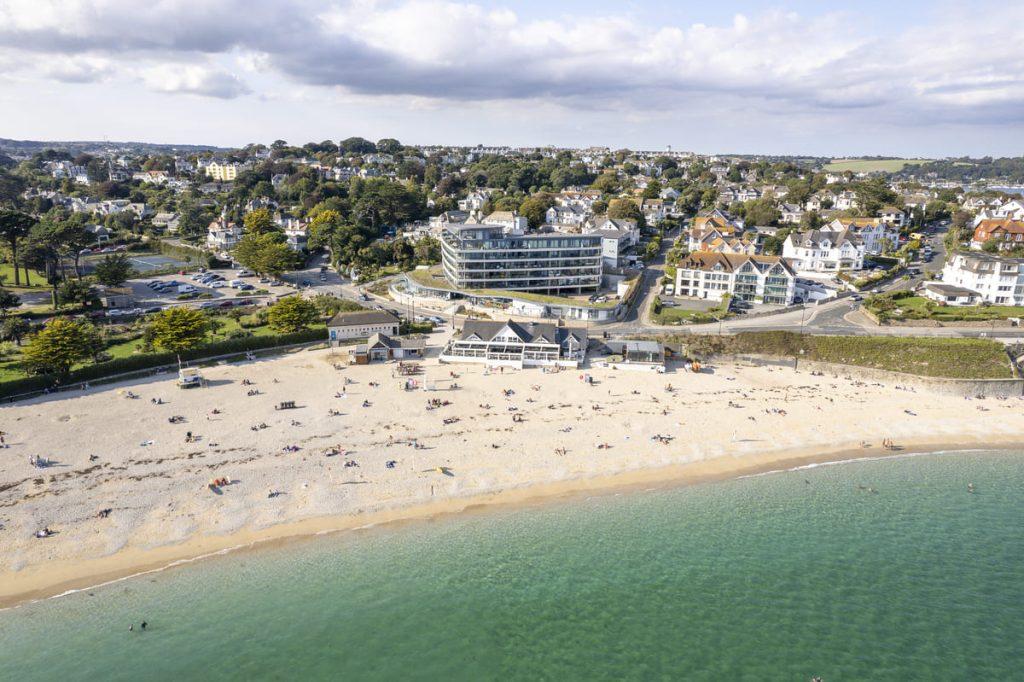
Gyllyngvase Beach, Falmouth
Falmouth’s history as a busy port town means that sea glass can be found on its shores, particularly after rough seas.
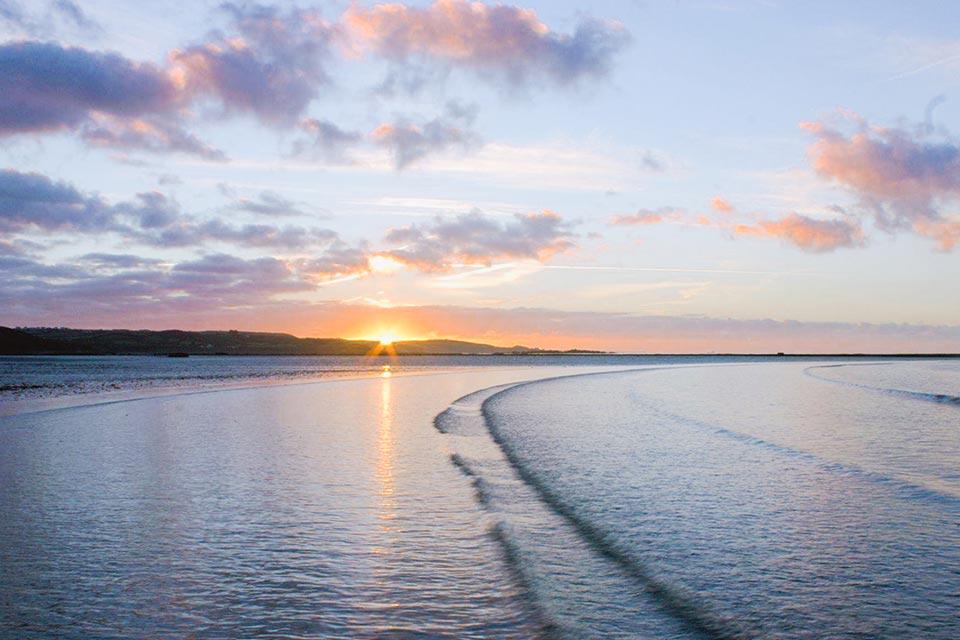
Marazion Beach
Close to St Michael’s Mount, Marazion Beach is another great spot to explore, with plenty of shingle where sea glass can hide.

Porthcothan Beach
A lesser-known but stunning beach on Cornwall’s north coast, Porthcothan Beach is a fantastic spot for sea glass collectors. The beach is known for its rock pools, caves, and small coves, which act as natural traps for sea glass and other coastal treasures. Its relative seclusion means there’s often less competition, increasing your chances of finding unique pieces.
To learn more about the geology of Cornwall’s beaches, check out Cornwall Geology Society.
Our Top Tips on Finding Sea Glass
Want to maximise your chances of finding stunning pieces of sea glass? Follow our best tips on finding sea glass in Cornwall.
- Look in shingle and pebbly areas – Sea glass tends to collect in spots where small stones and shells accumulate.
- Use the sun to your advantage – When the sun is low, it highlights the translucent glow of sea glass, making it easier to spot.
- Check rock pools and seaweed patches – Glass often gets caught in natural traps along the shore.
- Be patient and persistent – Not every trip will yield treasures, but keep exploring different beaches.
- Go after high tide – The waves often deposit fresh sea glass at the high tide line.
- Respect the environment – Only take what you need, and always be mindful of Cornwall’s beautiful beaches.
Rare Sea Glass Colours & Chances of Finding Them
While sea glass comes in a variety of colours, some are much rarer than others. Here’s a breakdown of the most common and rarest colours, along with the estimated chance of finding them:
If you’re looking for rare sea glass in Cornwall, focus on rocky coves, areas near old shipwreck sites, and beaches with strong tidal movement, as these are more likely to wash up older and less common pieces.
How long does it take for glass to turn into sea glass?
It takes anywhere from 20 to 100 years for glass to fully transform into sea glass. The ocean’s waves, sand, and chemical reactions slowly smooth the edges and create the signature frosted appearance.
The exact time depends on factors like water movement, sand abrasion, and the original thickness of the glass.
Is sea glass just broken glass?
Not exactly. While sea glass does originate from broken glass, it undergoes a long natural tumbling process in the ocean.
Over time, sharp edges are smoothed, and the surface becomes frosted due to chemical weathering. This process makes sea glass distinct from freshly broken glass found on land.
Is collecting sea glass illegal in the UK?
Collecting small amounts of sea glass for personal use is generally allowed in the UK. However, certain protected coastal areas may have restrictions on removing natural materials, including sea glass.
It’s always best to check local regulations, especially in National Trust or conservation areas.
What is so special about sea glass?
Sea glass is special because it’s a natural, ocean-polished gemstone with a unique history. Each piece could have originated from an old bottle, a shipwreck, or even historical glass industries.
The long tumbling process in the sea makes every piece one of a kind, often used in jewellery, crafts, and collections.
Is sea glass bad for the environment?
Sea glass itself is not harmful to the environment, as it is simply weathered glass with no toxic effects. However, it originates from human-made waste, reminding us of past pollution.
Some environmentalists encourage leaving sea glass on beaches to maintain natural ecosystems and coastal heritage.
Should you wash sea glass?
Yes, it’s a good idea to wash sea glass after collecting it. Rinse it with fresh water to remove salt, sand, and any debris. If you want to enhance the colour, you can lightly scrub it with a toothbrush.
However, avoid using harsh chemicals, as they may strip the frosted appearance.
Tagged
Read next
All articles
Leisure16 min read
14 Best Surfing Beaches in Cornwall

Leisure19 min read
What is High Tide & Low Tide?
Experiences11 min read
12 Crazy Locations for Storm Watching in Cornwall
Food & Drink33 min read
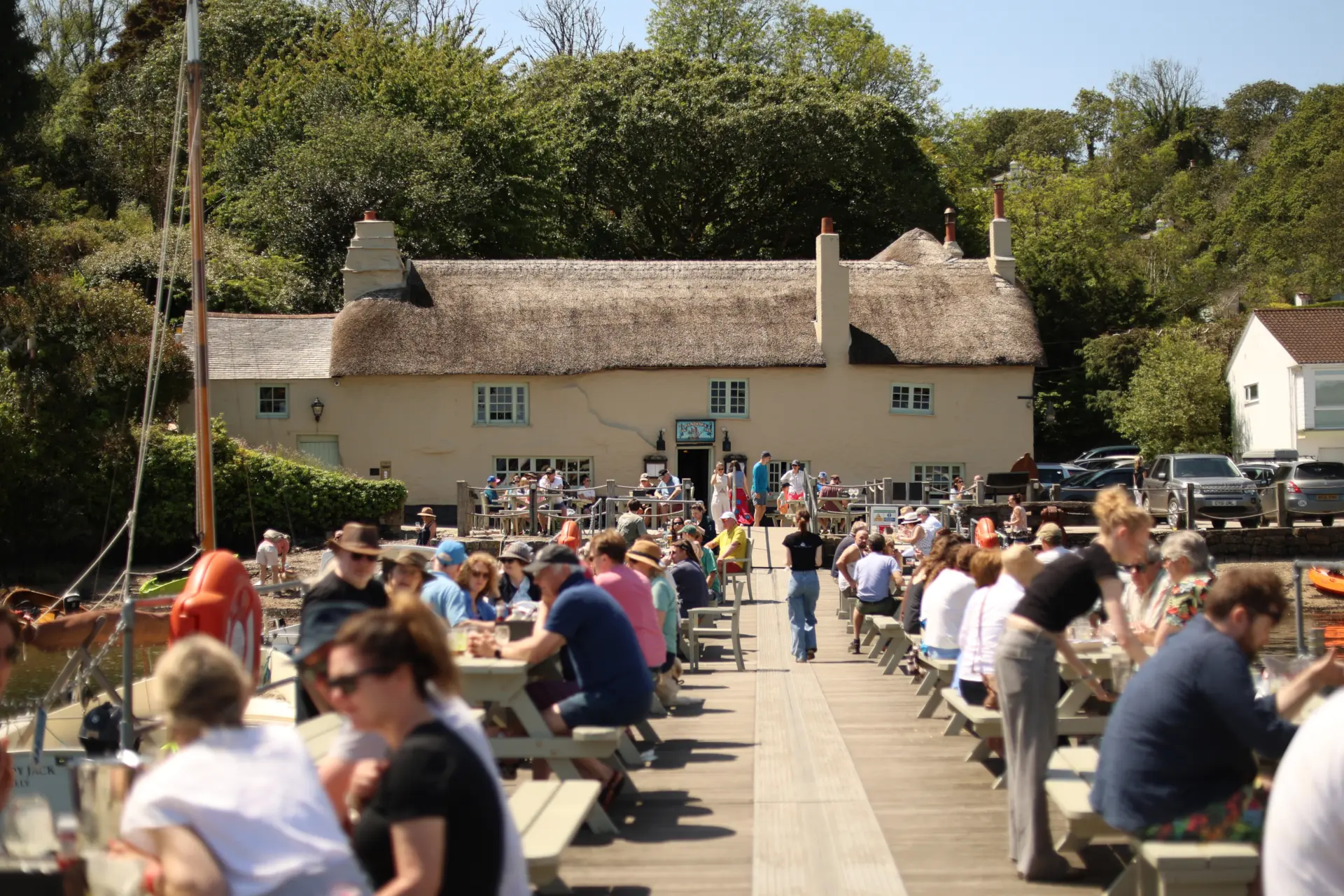
32 Proper Cornish Pubs Worth Driving For
Food & Drink5 min read
8 of the best fish and chips in Falmouth

Film & TV10 min read
ITV’s Playing Nice Filming Locations & Cast in Cornwall

Film & TV7 min read
Poldark Filming Locations in Cornwall
Leisure5 min read
9 Best Webcams to Watch in Cornwall