Discover
Port Gaverne Beach
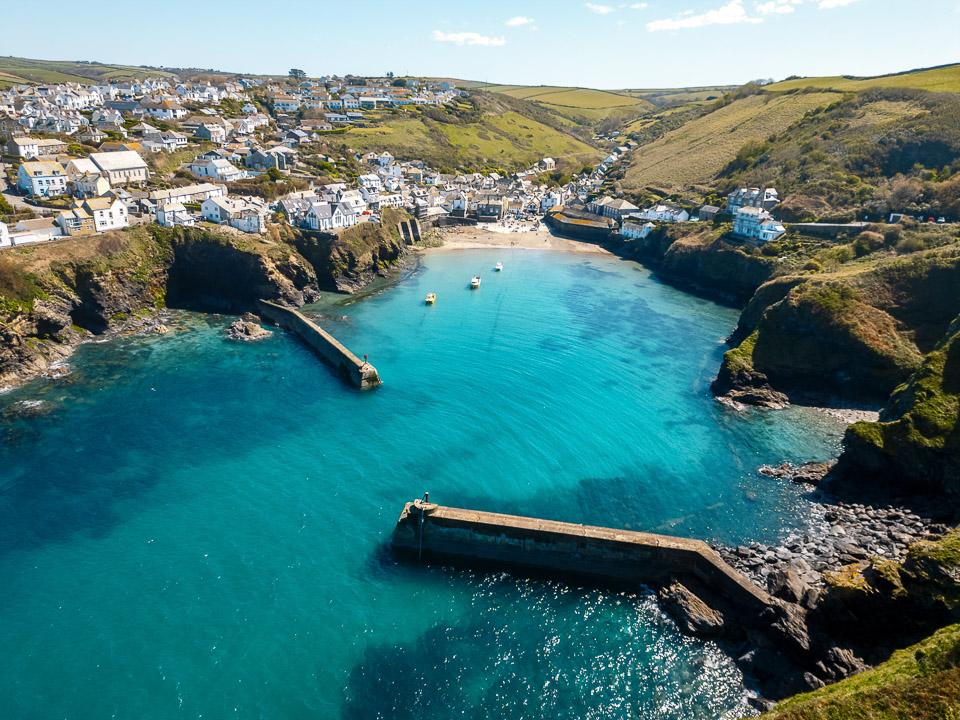
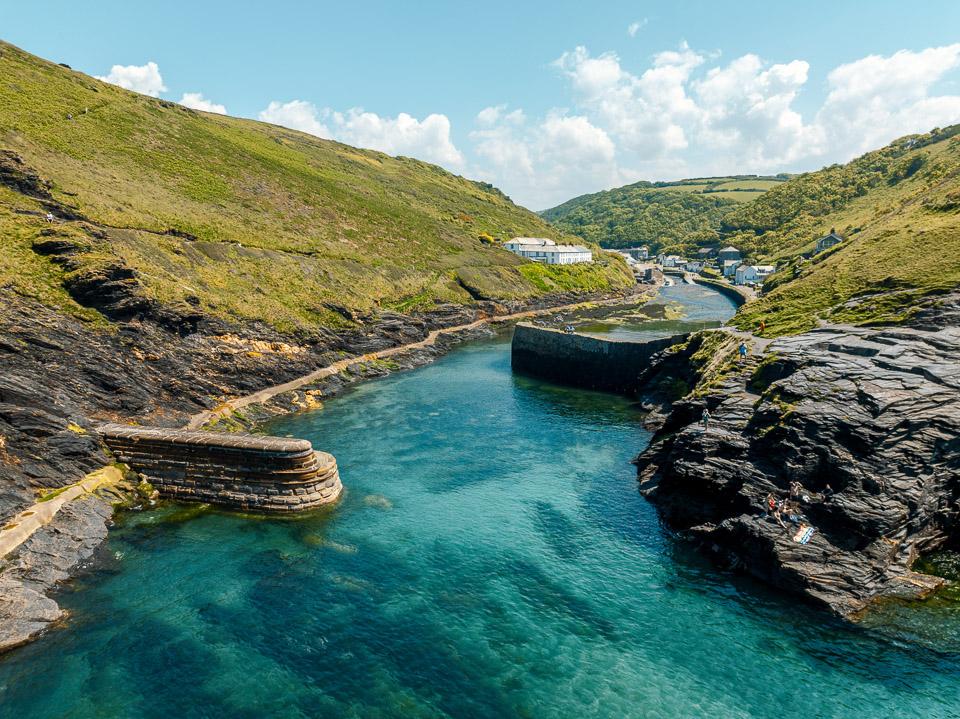
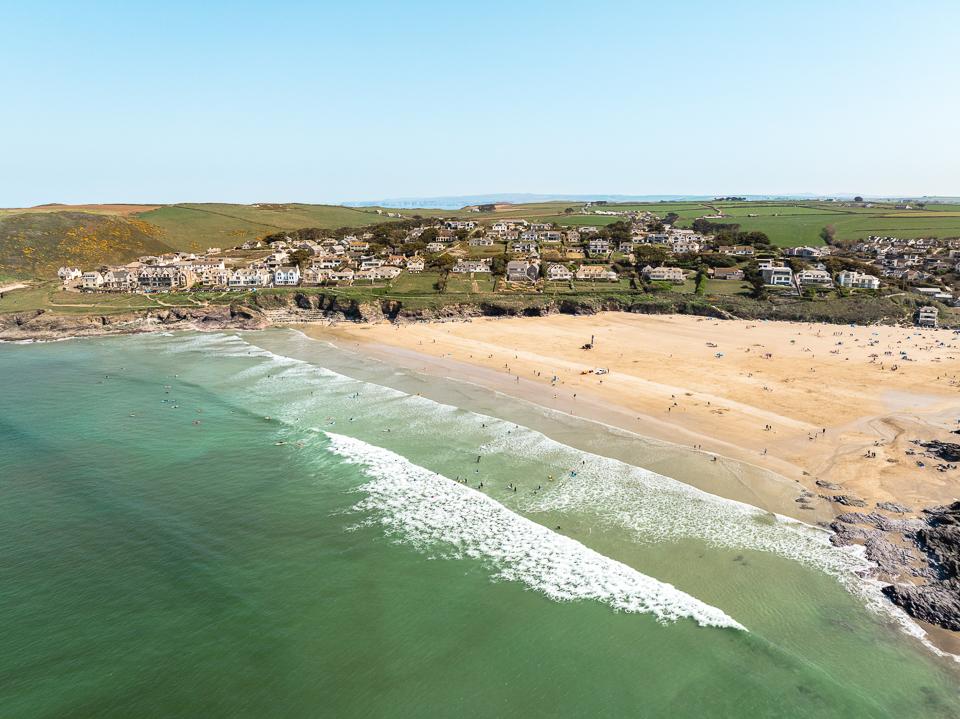
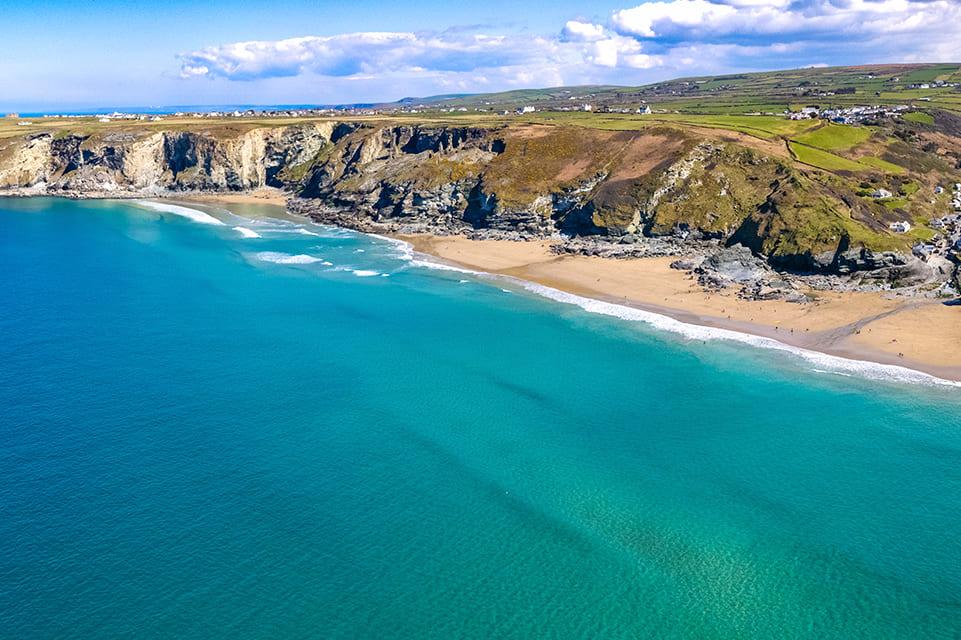
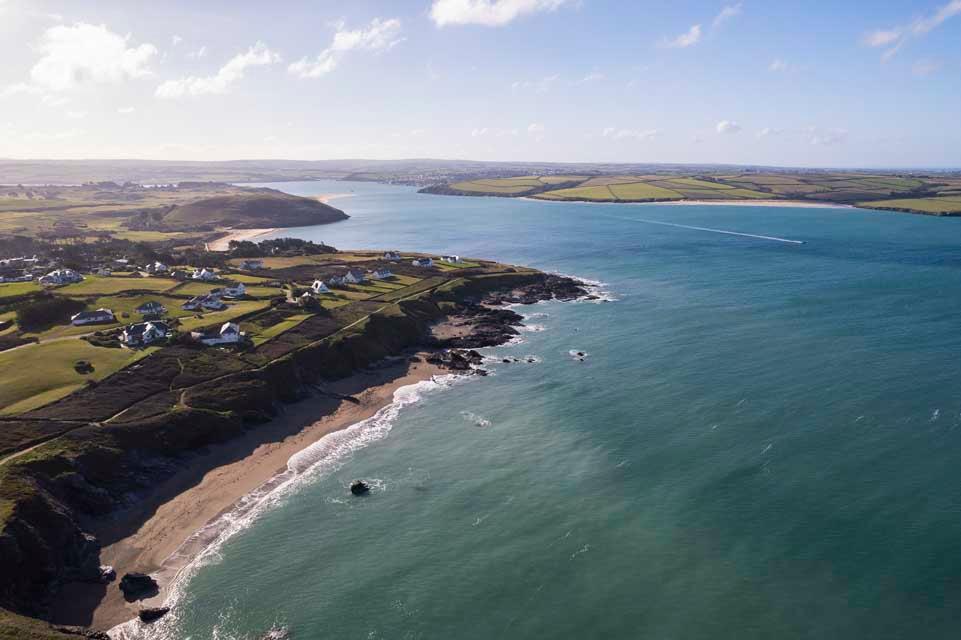
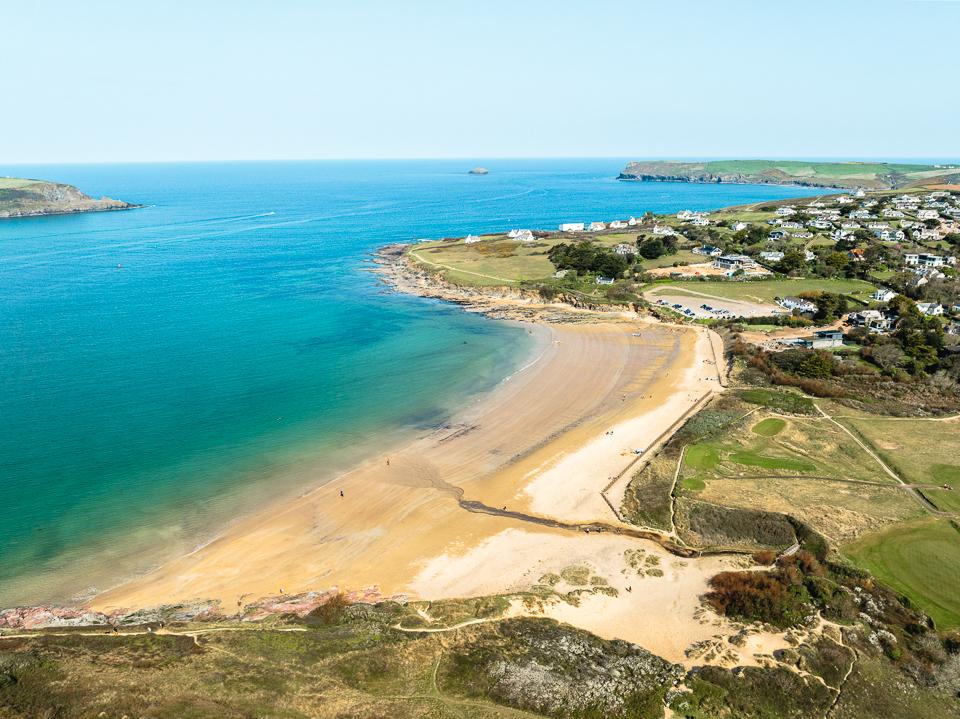
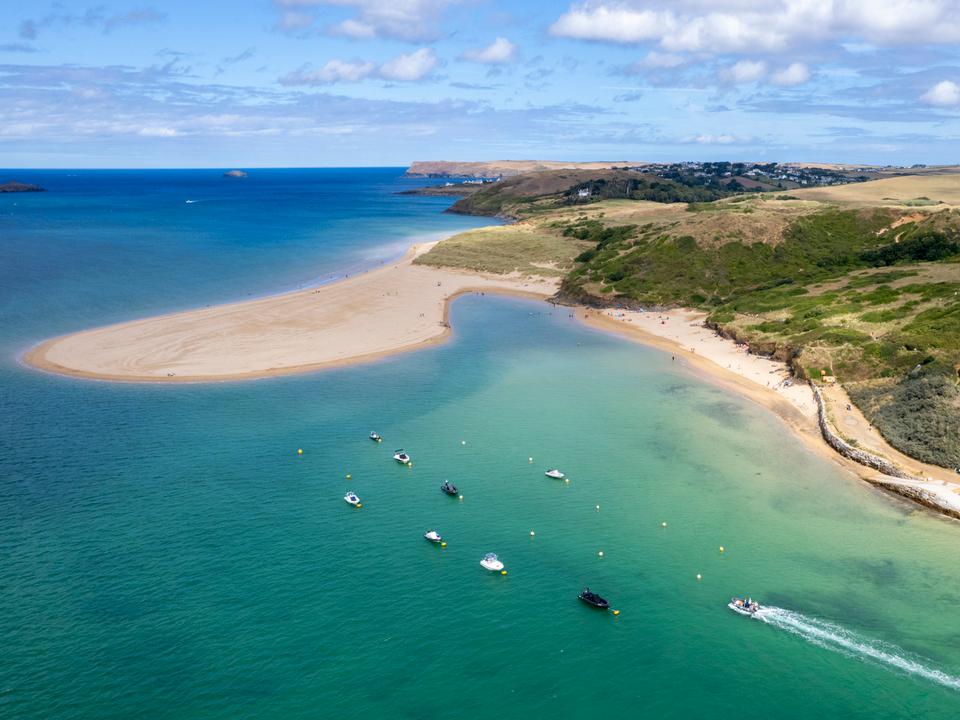
Port Gaverne Beach is a small sheltered beach situated on the North Cornwall Coast, just a mile from the famous village of Port Isaac.
About Port Gaverne Beach
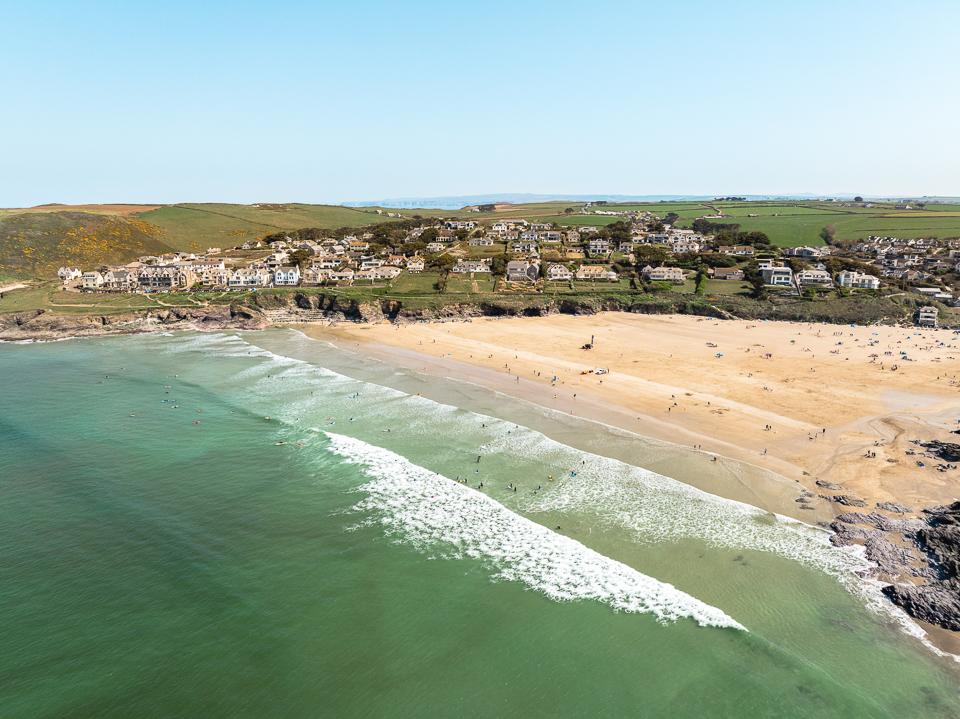
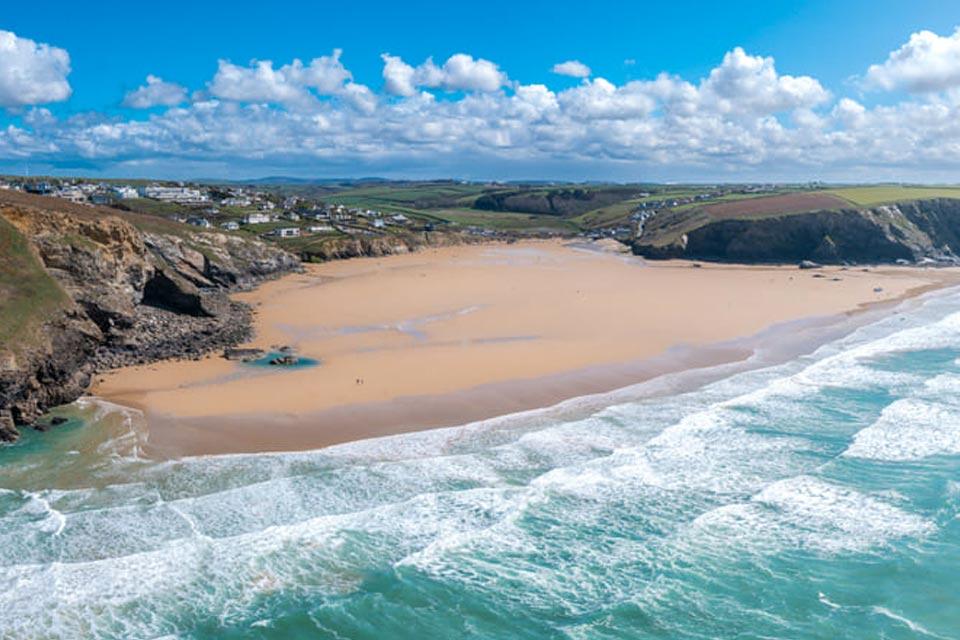
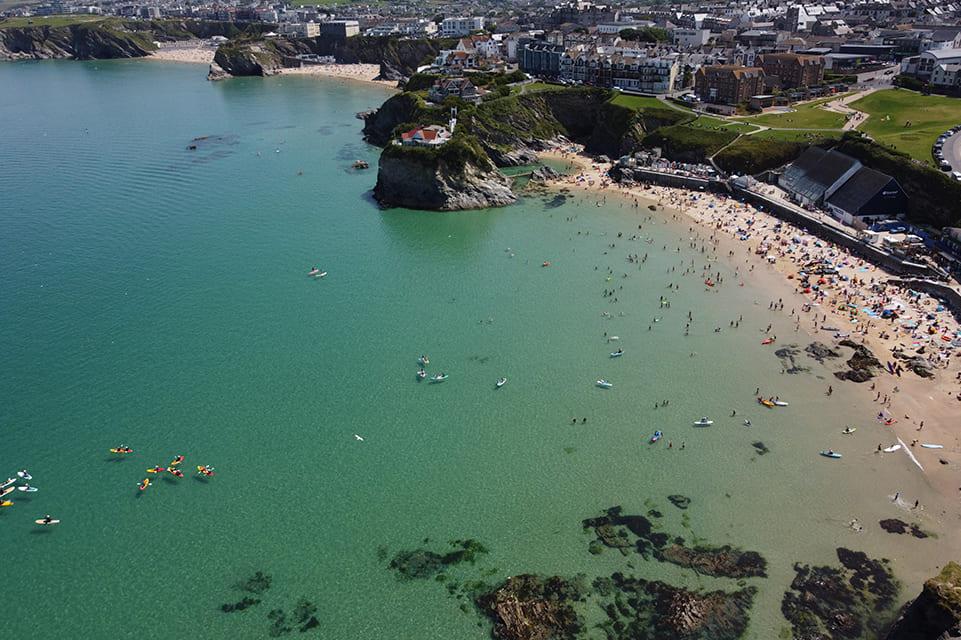
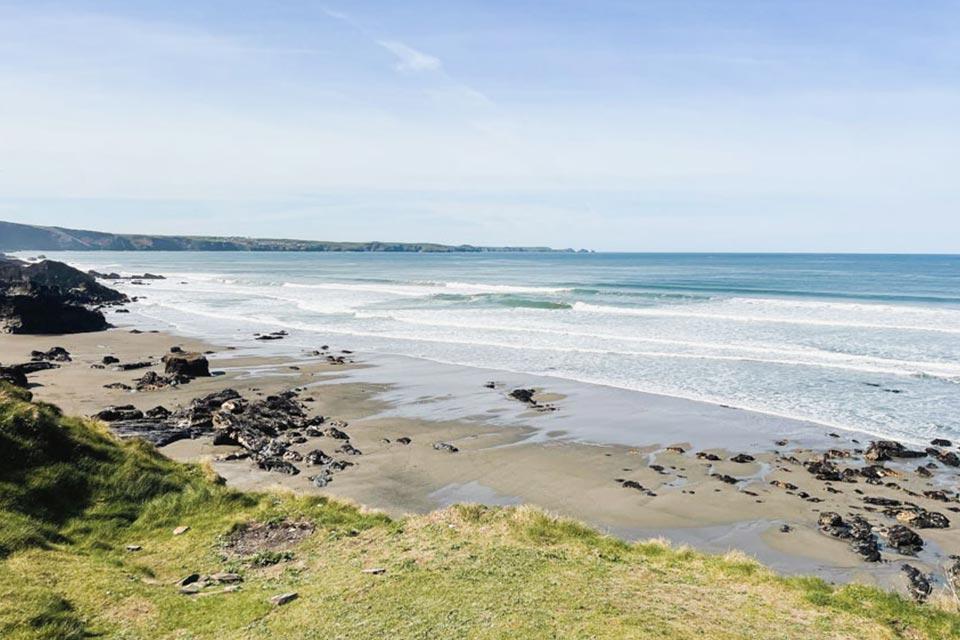
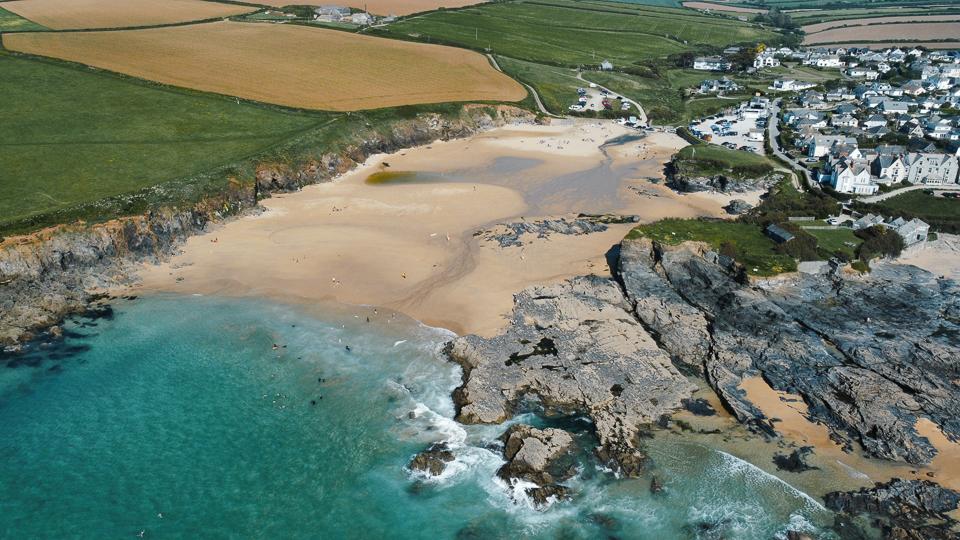
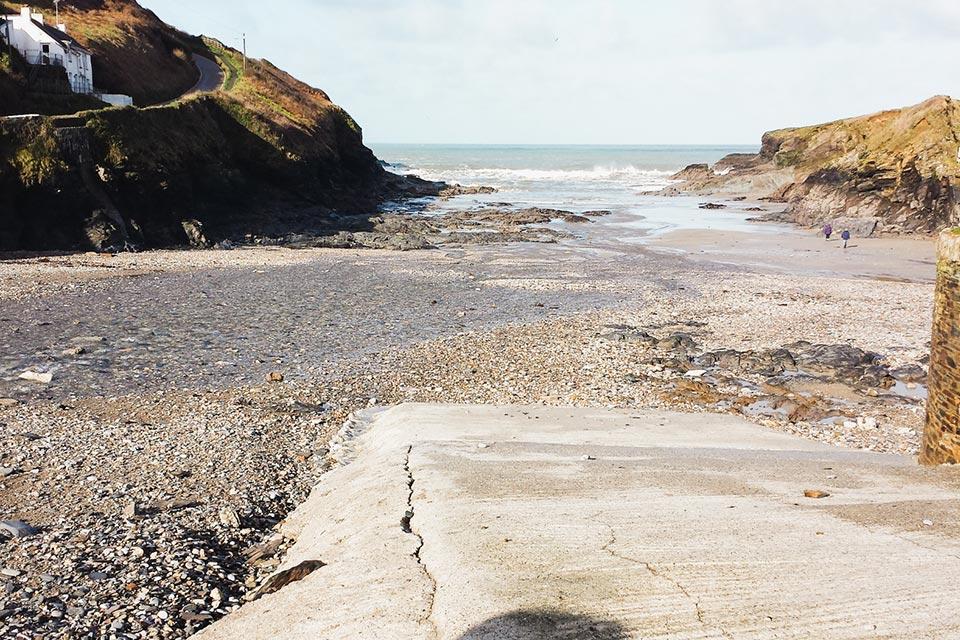
Port Gaverne Beach is a small sheltered beach situated on the North Cornwall Coast, just a mile from the famous village of Port Isaac. During Low tide this beach is made up of sand and shingle and in the summer months is a very popular beach with the families and can quite often be busy. Also around the beach are rock pools filled with marine life and caves embedded into the cliffs surrounding the beach.
ToiletsPort Gaverne Beach toilets are located at St. Endellion Car Park, and additional facilities are available towards the town center. Toilets are closed during dusk.
Are dogs allowed on Port Gaverne Beach?
Yes, dogs are allowed on Port Gaverne Beach all year round.
- Dogs
- Welcome all year
- Restriction dates
- None
- Hours
- Not applicable
- Set by
- No restriction from council or landowner
- Last checked
- 16 October 2026
Tide times
Tides today at Port Gaverne Beach
Next high water
Next low water
- High 5:52am 7.7m
- Low 12:16pm 0.9m
- High 6:19pm 7.6m
Tomorrow, Friday 27 November
- Low 12:36am
- High 6:40am
- Low 1:05pm
- High 7:09pm
Important beach information
The sea here is beautiful and genuinely powerful. A few minutes reading this is the difference between a good day and a bad one.
Know before you swimRip currents, weever fish, jellyfish, cold water, tide cut-off
Rip currents
Rips are narrow channels of water flowing back out to sea, and they're the single biggest risk on Cornwall's Atlantic beaches. They often look deceptively calm: a flat, darker lane cutting through the breaking waves. If you're caught in one, don't try to swim against it. Stay calm and float to live: lean back, spread your arms and legs, and control your breathing until the panic passes. Then raise a hand and shout for help, or swim parallel to the beach to get out of the flow before heading in.
Weever fish
Small, sandy-coloured fish that bury themselves in the shallows, leaving venomous spines pointing upwards. Stings are most common on a low, warm summer tide and feel like a sharp, building burn in the foot. Treat by immersing the foot in water as hot as you can comfortably stand, around 40°C, for 30 to 90 minutes, which breaks the venom down. Beach shoes prevent almost all of them.
Jellyfish
Barrel, moon and compass jellyfish are common and mostly harmless. Lion's mane and the occasional Portuguese man o' war do sting, and still sting when washed up, so don't handle stranded ones. If you're stung, rinse with seawater rather than fresh, lift off any tentacles with the edge of a card, and get medical help if the reaction spreads or breathing is affected.
Cold water shock
Even in August the sea here rarely gets past 17°C. Going in fast triggers an involuntary gasp and a spike in heart rate. The reason many strong swimmers get into trouble. Walk in gradually, let your breathing settle before you swim out, and float rather than thrash if you get into difficulty.
Getting cut off by the tide
A lot of Cornwall's best coves shrink to nothing at high water, and the sea comes in behind you across a sandbar without any drama. Check the tide before you commit to a walk around a headland, and give yourself a wide margin on the way back.
In an emergency on the coast, call 999 or 112 and ask for the Coastguard.
Wildlife on this stretch of coastGrey seals, dolphins, basking sharks, seabirds
Grey seals
Cornwall holds a significant population, hauled out on rocks and quieter beaches year-round. Stay at least 100 metres away, keep dogs on leads near them, and never get between a seal and the water, disturbance forces them off the rocks and burns energy they need.
Dolphins and basking sharks
Bottlenose and common dolphins pass along this coast all year, and basking sharks, harmless plankton feeders, and the second-largest fish in the world, appear near the surface in late spring and early summer.
Seabirds and clifftop life
Fulmars, kittiwakes, gannets offshore and, increasingly, choughs on the western cliffs. Nesting season runs roughly March to July, so keep to the paths and dogs under control on clifftops.
Spotted a stranded marine animal?
If you find a live seal, dolphin, whale or turtle in distress on the beach, keep people and dogs well away and call British Divers Marine Life Rescue for expert help. Please don’t touch, feed or try to move the animal, and never push it back into the sea.
Call BDMLR01825 765546Your call could save its life.
Water quality at Port Gaverne Beach
Port Gaverne Beach is not a designated bathing water, so the Environment Agency does not sample it and there is no official rating for this beach. That means it is untested, not that it is clean or dirty.
There is no designated bathing water within about 5 km either. The Environment Agency map shows which beaches are tested and how they scored.
Where this comes fromEnvironment Agency open data, and what we do not claim
Water quality information on this page is republished from Environment Agency open data under the Open Government Licence v3.0. We reproduce it as published and do not test water ourselves, verify the readings, or monitor them continuously, so figures here may be out of date or incomplete. Nothing on this page is advice on whether it is safe to enter the water. That decision, and the conditions on the day, are yours to judge. Always check the official sources above before you swim.
Weather and sea conditions
Weather today
8°C
Overcast, high 8°, low -1°
Sea temperature
13°C
Wetsuit weather
Next few days at Port Gaverne Beach
Thu
8°
-1°
Overcast
Fri
11°
7°
Light rain
Sat
11°
6°
Light drizzle
Weather Powered by WeatherAPI.com, refreshed hourly. Always check conditions on the day before entering the water. Sea temperature: Generated using E.U. Copernicus Marine Service Information.
Map
Where Port Gaverne Beach sits on the coast, with the beaches either side of it. Tap a pin to open its guide.
Port Gaverne Beach FAQ
Are dogs allowed on Port Gaverne Beach?
Yes, dogs are allowed on Port Gaverne Beach all year round. Neither Cornwall Council nor the landowner restricts dogs here, though lifeguarded areas and signs on the day still apply.
Where Is Port Gaverne Beach?
Port Gaverne beach is located in North Cornwall near Polzeath, less popular than most beaches in North Cornwall so its the perfect escape from all the summertime busyness.
Is Port Gaverne Beach Dog Friendly?
Dogs are allowed on Port Gaverne beach all year round this makes it the perfect spot for walking your dog or dogs during peak summertimes when other beaches don’t allow it.
Is There Toilets At Port Gaverne Beach?
There are no toilets at Great Western Beach but neighbouring beach at Tolcarne has public toilets.
What Is Port Gaverne Beach Postcode?
The postcode for Port Gaverne Beach is PL29 3SG. Nearby Beaches .elementor-4818 .elementor-element.elementor-element-1c866a8{--display:flex;--flex-direction:column;--container-widget-width:calc( ( 1 - var( --container-widget-flex-grow ) ) * 100% );--container-widget-height:initial;--container-widget-flex-grow:0;--container-widget-align-self:initial;--flex-wrap-mobile:wrap;--align-items:stretch;--gap:0px 0px;--row-gap:0px;--column-gap:0px;border-style:solid;--border-style:solid;border-color:#ECECEC;--border-color:#ECECEC;--border-radius:25px 25px 25px 25px;--padding-top:0px;--padding-bottom:0px
Frequently asked questions about Port Gaverne Beach.
Reviews of Port Gaverne Beach
What it is actually like, from people who have been.
No one has reviewed Port Gaverne Beach yet. If you have been, yours will be the first.