Tide times
Porthcurno Beach tide times
Seven days of high and low water at Porthcurno Beach, with sea temperature, the forecast, and what to know before you get in.
7 day tide times
The next seven days at Porthcurno Beach
No tide curve here. The UK Hydrographic Office publishes the time of low water for this station but not its height, and drawing the curve would mean making that height up. The times are all in the table.
Today · Wednesday 18 November
Low water
4:28am
—
High water
10:41am
4.72m
Low water
5:24pm
—
High water
11:21pm
4.54m
Thursday 19 November
| Time | Tide | Height |
|---|---|---|
| 5:54am | low | — |
| 11:56am | high | 4.84m |
| 6:35pm | low | — |
Friday 20 November
| Time | Tide | Height |
|---|---|---|
| 12:31am | high | 4.77m |
| 7:01am | low | — |
| 12:56pm | high | 5.11m |
| 7:32pm | low | — |
Saturday 21 November
| Time | Tide | Height |
|---|---|---|
| 1:26am | high | 5.11m |
| 7:56am | low | — |
| 1:47pm | high | 5.44m |
| 8:23pm | low | — |
Sunday 22 November
| Time | Tide | Height |
|---|---|---|
| 2:13am | high | 5.48m |
| 8:45am | low | — |
| 2:33pm | high | 5.75m |
| 9:10pm | low | — |
Monday 23 November
| Time | Tide | Height |
|---|---|---|
| 2:56am | high | 5.81m |
| 9:32am | low | — |
| 3:18pm | high | 6.02m |
| 9:55pm | low | — |
Tuesday 24 November
| Time | Tide | Height |
|---|---|---|
| 3:39am | high | 6.07m |
| 10:18am | low | — |
| 4:02pm | high | 6.19m |
| 10:40pm | low | — |
Predictions for Sennen Cove, 3.5 miles from Porthcurno Beach, from ADMIRALTY® tidal data © Crown copyright and database rights, UK Hydrographic Office. Heights above chart datum. Times are UK local. Predictions are not observations, and the actual water level varies with pressure, wind and surge. Use these for planning, not for judging whether it is safe to be somewhere the tide can reach you. The official UK source is Admiralty EasyTide. In an emergency at the coast, call 999 and ask for the Coastguard. Full tide disclaimer.
How the tide works here
Britain has some of the biggest tides on EarthWhy the range is so big, and what it is at Porthcurno Beach this week
The Atlantic tide runs onto a wide, shallow continental shelf around these islands and gets funnelled into narrowing channels, which amplifies it enormously. The Severn Estuary has one of the largest tidal ranges anywhere in the world, second only to the Bay of Fundy in Canada, and even here on the Cornish coast a big spring tide moves several metres of water vertically, twice a day.
Spring tides and neap tidesWhy some weeks the tide moves far more than others
Nothing to do with the season. Springs happen a couple of days after a new or full moon, when the sun and moon pull in line. The highest highs and the lowest lows, so the beach is at its biggest and the sea comes in fastest.
Neaps fall around the first and last quarter moon, when the two pull at right angles. The range shrinks, the water moves less, and the beach changes far less through the day. The cycle swings between the two roughly every week.
The rule of twelfthsHow fast the water comes in through each hour
The tide doesn’t come in at a steady pace. Across the roughly six hours between low and high water, it moves in twelfths, slowly at first, then quickly through the middle two hours, then slowly again.
- 1st hour1/12
- 2nd hour2/12
- 3rd hour3/12
- 4th hour3/12
- 5th hour2/12
- 6th hour1/12
Half the water arrives in the middle two hours. That’s when people get cut off. The channel you walked across an hour ago fills faster than you expect.
Weather & sea temperature
Weather today
12°C
Thunderstorm, high 13°, low 11°
Sea temperature
14°C
Wetsuit weather
Next few days at Porthcurno Beach
Wed
13°
11°
Light showers
Thu
12°
12°
Light showers
Fri
12°
11°
Light showers
Weather Powered by WeatherAPI.com, refreshed hourly. Always check conditions on the day before entering the water. Sea temperature: Generated using E.U. Copernicus Marine Service Information.
Add Porthcurno Beach tides to your site
Run a surf school, campsite or holiday let near Porthcurno Beach? Put the next two days of tides on your own site. It updates itself, it costs nothing, and all we ask is that you keep the credit link.
<iframe src="https://cornwallone.co.uk/embed/tide-times/porthcurno-beach"
        width="100%" height="250" style="border:0"
        loading="lazy" title="Porthcurno Beach tide times"></iframe>
<p><a href="https://cornwallone.co.uk/beaches/porthcurno-beach/tide-times">Porthcurno Beach tide times</a> by Cornwall One</p>
Paste it into any page that accepts HTML. Set the height to suit your layout. The widget carries no tracking and loads no JavaScript.
How it looks
Before you get in
Tides are only half of it. Rip currents, cold water and getting cut off are what actually catch people out on this coast.
What the flags mean
Swim between the red and yellow flags at Porthcurno Beach, it’s the only part of the beach being watched.
- Red and yellowThe lifeguarded zone. This is the safest place to swim, bodyboard and use inflatables, and the only stretch lifeguards actively patrol.
- Black and white chequeredFor surfboards, kayaks and other non-powered craft. Never swim or bodyboard between these flags, boards move fast and can't stop.
- Red flagDanger. Do not enter the water under any circumstances, however calm it looks from the sand.
- Orange windsockOffshore or strong winds. Inflatables will be blown out to sea in minutes, leave them in the car.
Know before you swimRip currents, weever fish, jellyfish, cold water, tide cut-off
Rip currents
Rips are narrow channels of water flowing back out to sea, and they're the single biggest risk on Cornwall's Atlantic beaches. They often look deceptively calm: a flat, darker lane cutting through the breaking waves. If you're caught in one, don't try to swim against it. Stay calm and float to live: lean back, spread your arms and legs, and control your breathing until the panic passes. Then raise a hand and shout for help, or swim parallel to the beach to get out of the flow before heading in.
Weever fish
Small, sandy-coloured fish that bury themselves in the shallows, leaving venomous spines pointing upwards. Stings are most common on a low, warm summer tide and feel like a sharp, building burn in the foot. Treat by immersing the foot in water as hot as you can comfortably stand, around 40°C, for 30 to 90 minutes, which breaks the venom down. Beach shoes prevent almost all of them.
Jellyfish
Barrel, moon and compass jellyfish are common and mostly harmless. Lion's mane and the occasional Portuguese man o' war do sting, and still sting when washed up, so don't handle stranded ones. If you're stung, rinse with seawater rather than fresh, lift off any tentacles with the edge of a card, and get medical help if the reaction spreads or breathing is affected.
Cold water shock
Even in August the sea here rarely gets past 17°C. Going in fast triggers an involuntary gasp and a spike in heart rate. The reason many strong swimmers get into trouble. Walk in gradually, let your breathing settle before you swim out, and float rather than thrash if you get into difficulty.
Getting cut off by the tide
A lot of Cornwall's best coves shrink to nothing at high water, and the sea comes in behind you across a sandbar without any drama. Check the tide before you commit to a walk around a headland, and give yourself a wide margin on the way back.
In an emergency on the coast, call 999 or 112 and ask for the Coastguard.
Wildlife on this stretch of coastGrey seals, dolphins, basking sharks, seabirds
Grey seals
Cornwall holds a significant population, hauled out on rocks and quieter beaches year-round. Stay at least 100 metres away, keep dogs on leads near them, and never get between a seal and the water, disturbance forces them off the rocks and burns energy they need.
Dolphins and basking sharks
Bottlenose and common dolphins pass along this coast all year, and basking sharks, harmless plankton feeders, and the second-largest fish in the world, appear near the surface in late spring and early summer.
Seabirds and clifftop life
Fulmars, kittiwakes, gannets offshore and, increasingly, choughs on the western cliffs. Nesting season runs roughly March to July, so keep to the paths and dogs under control on clifftops.
Check tide times somewhere else
Move around the map and tap any town or beach to see its tide times, or search for the one you’re after.
173 places
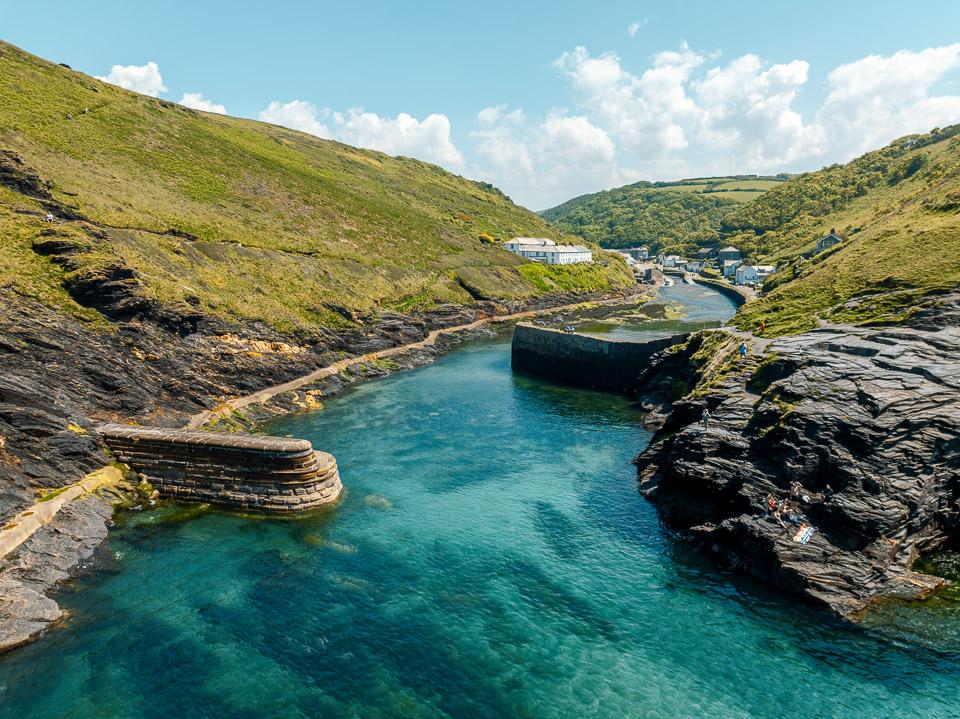 BoscastleNorth Cornwall
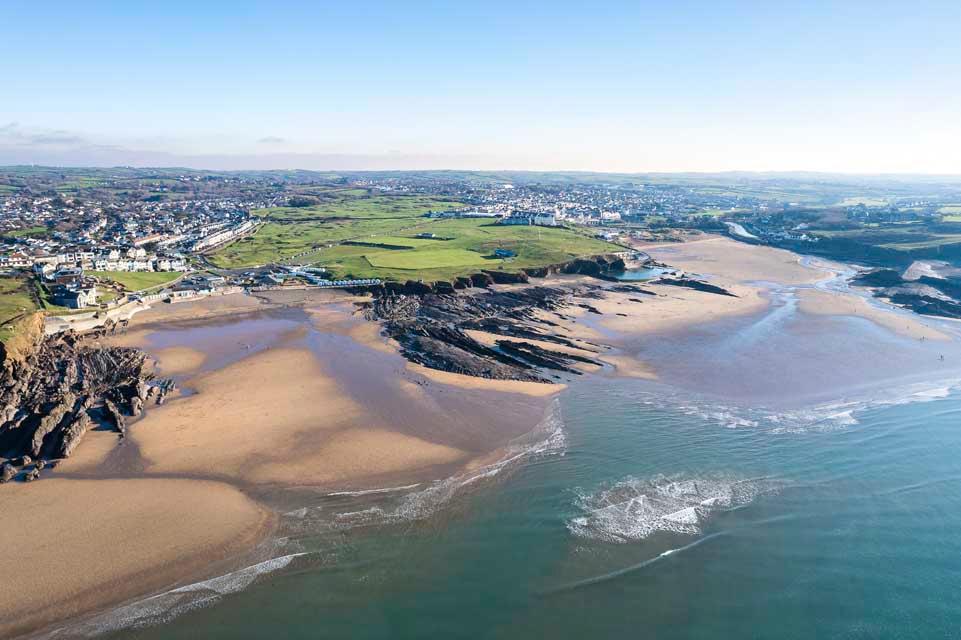 BudeNorth Cornwall
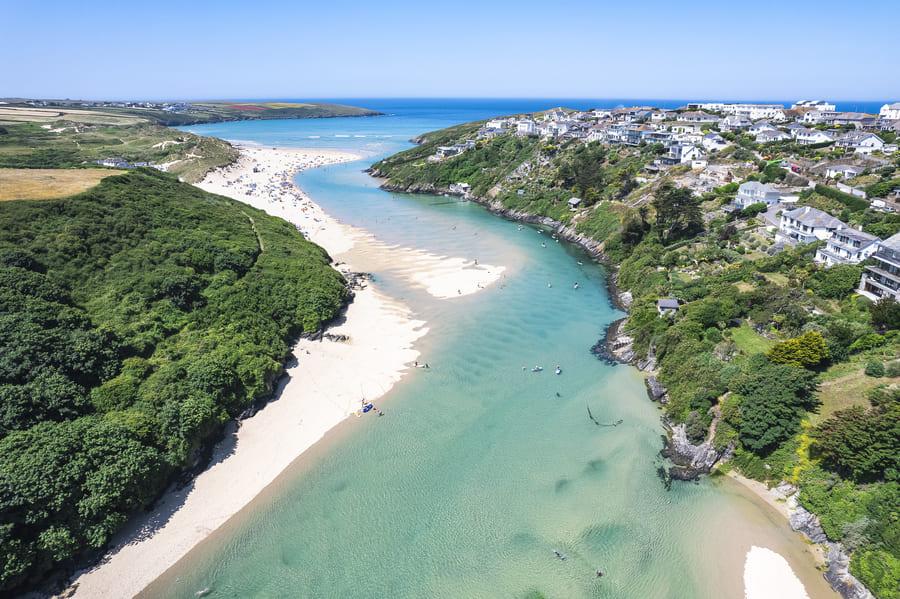 CrantockNorth Cornwall
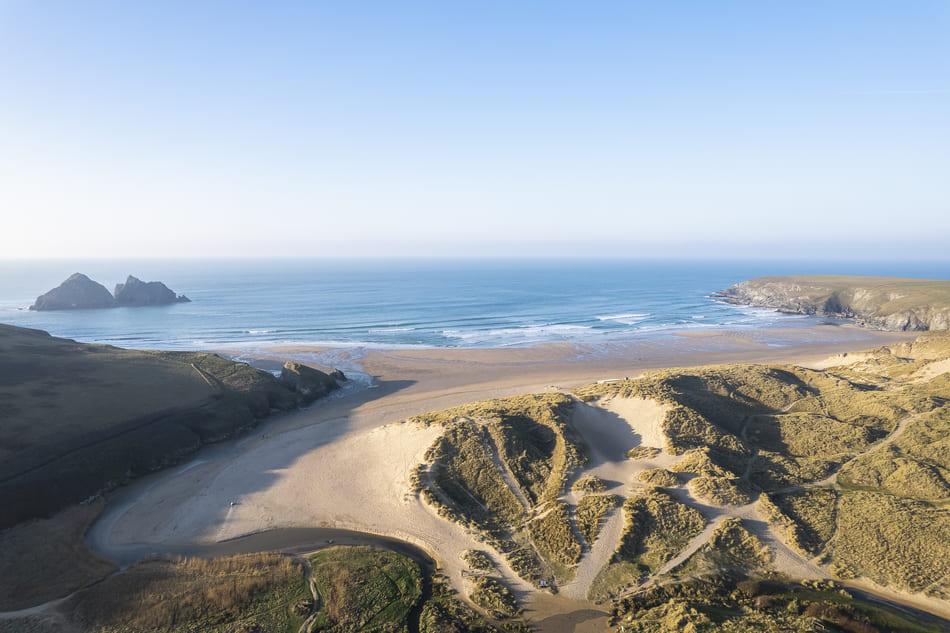 Holywell BayNorth Cornwall
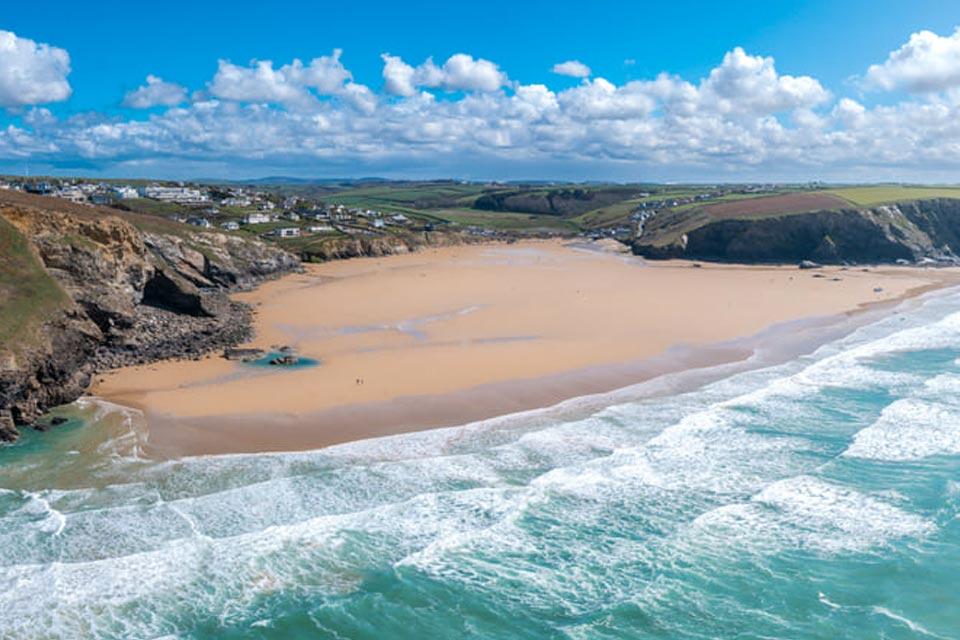 Mawgan PorthNorth Cornwall
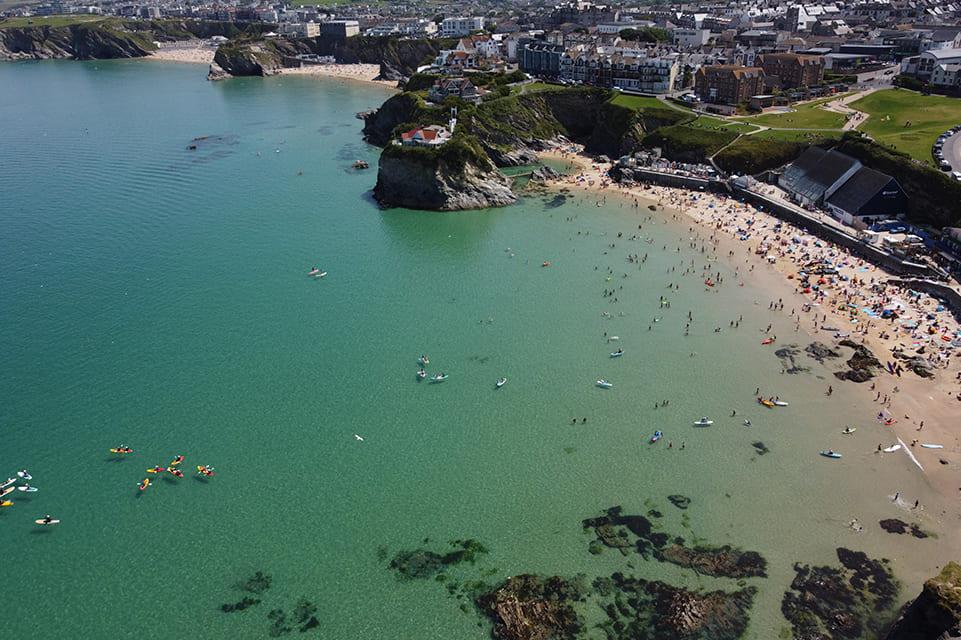 NewquayNorth Cornwall
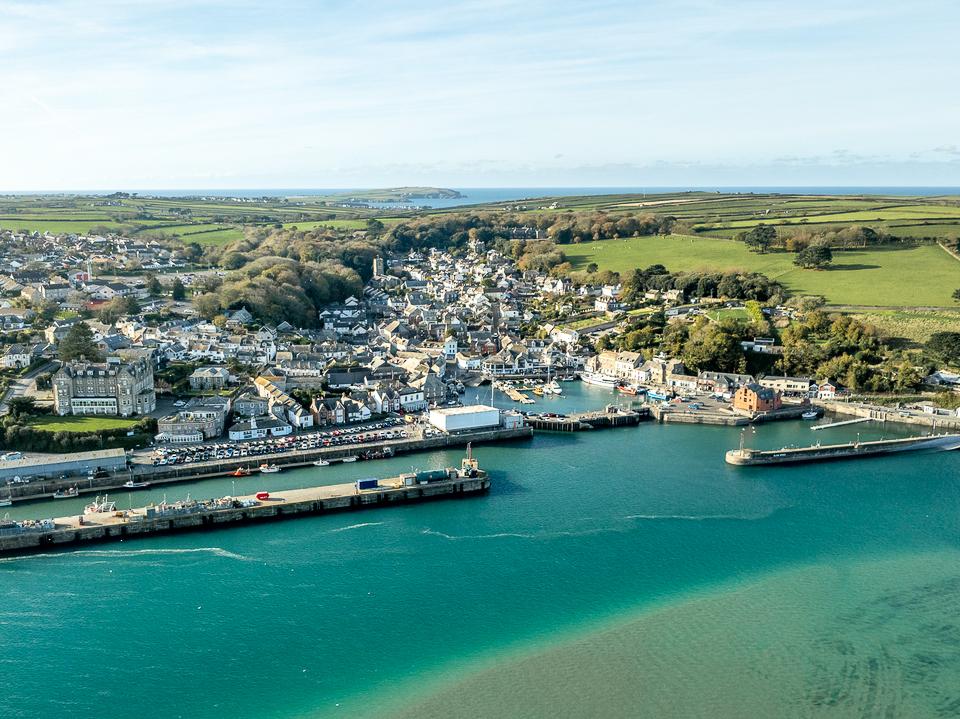 PadstowNorth Cornwall
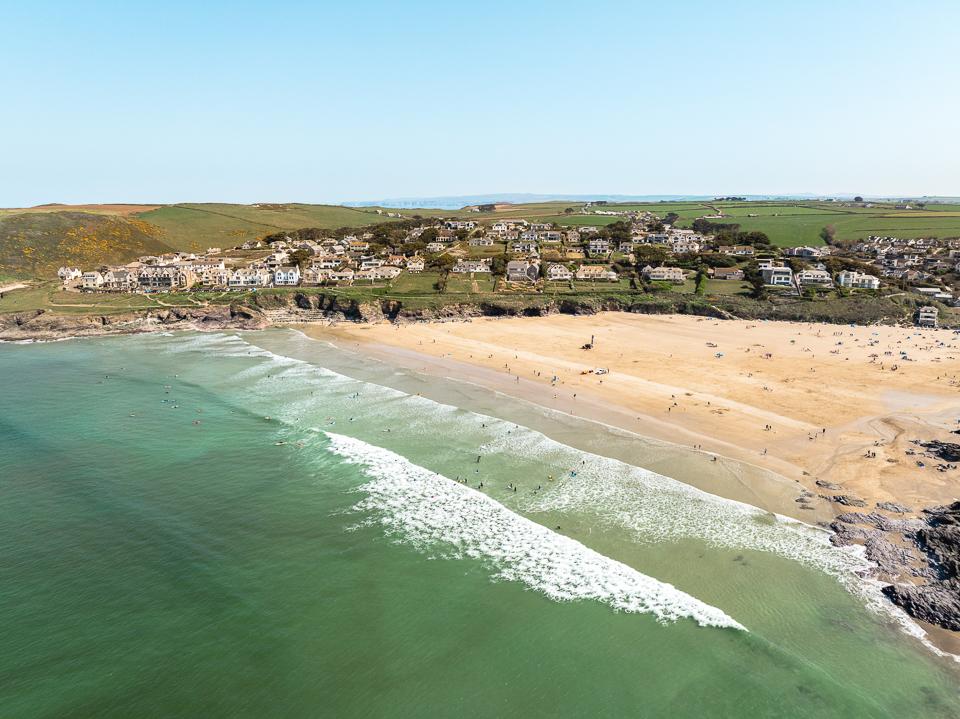 PolzeathNorth Cornwall
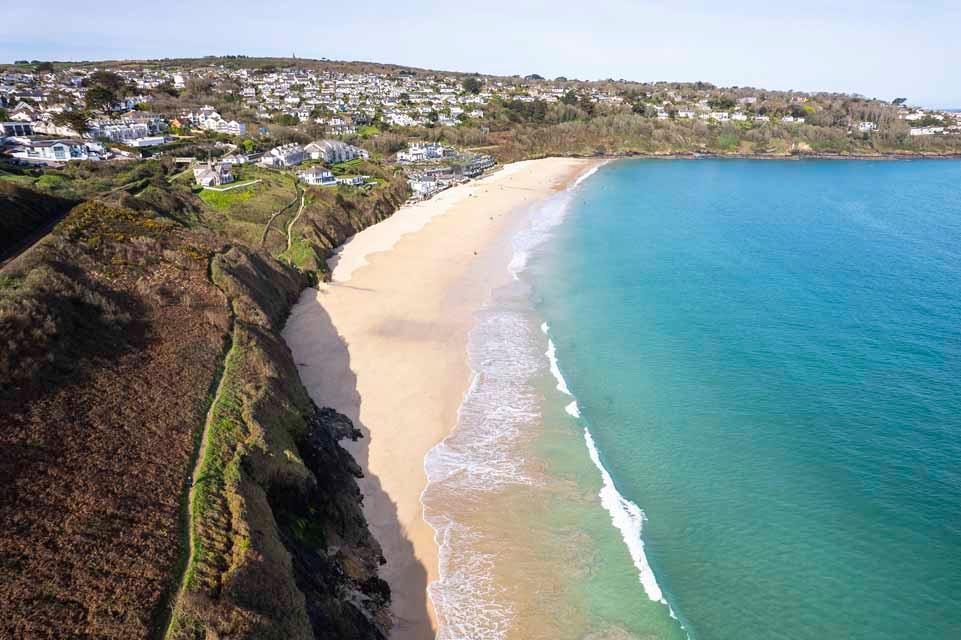 Carbis BayWest Cornwall
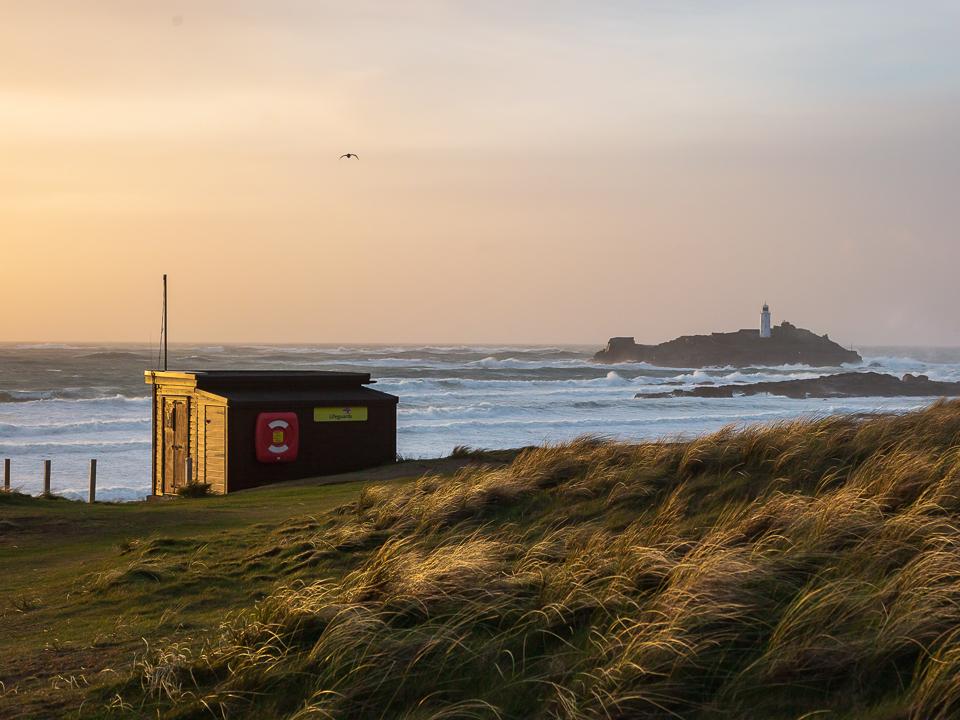 HayleWest Cornwall
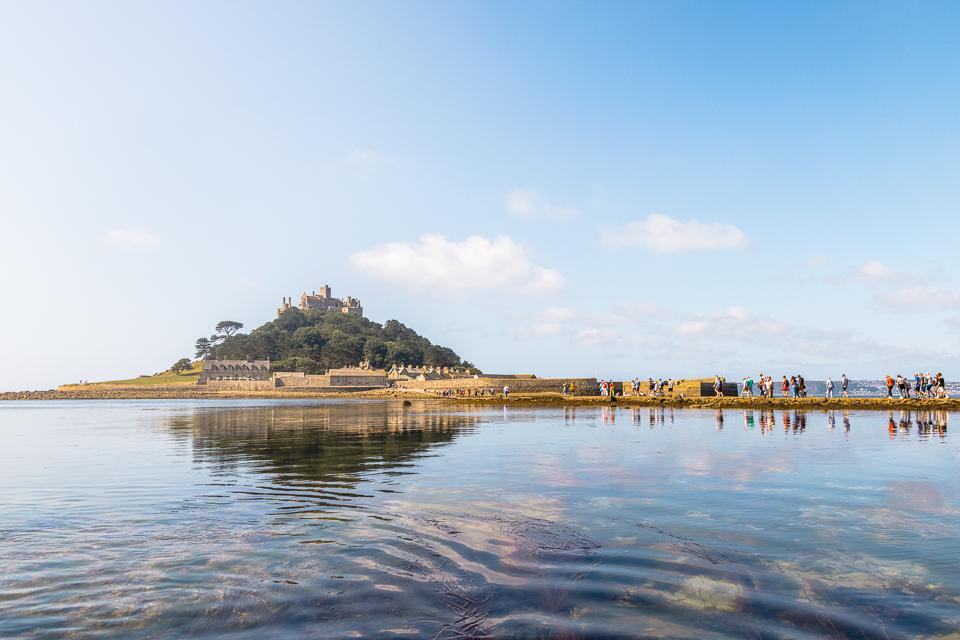 MarazionWest Cornwall
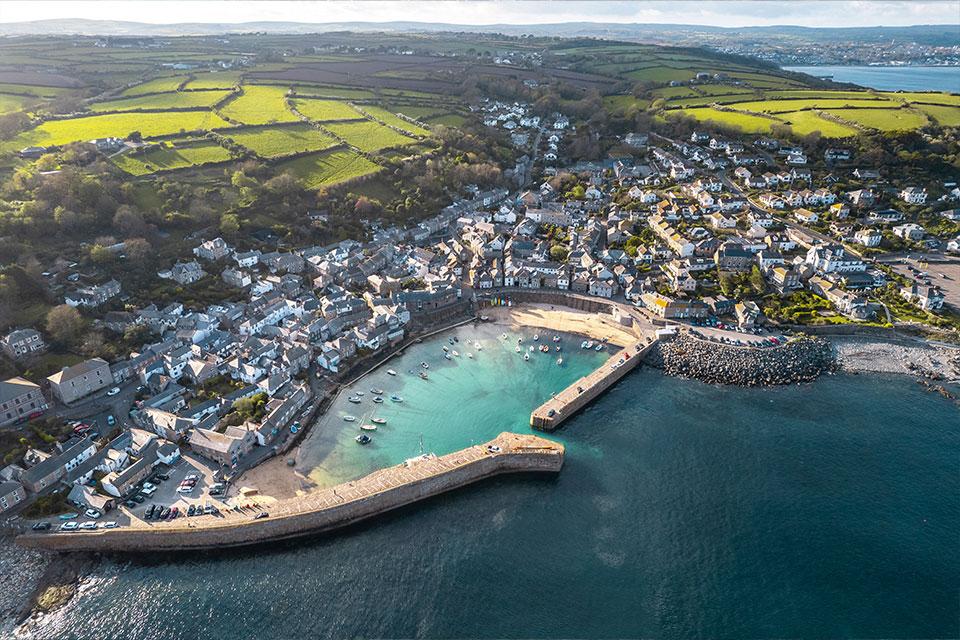 MouseholeWest Cornwall
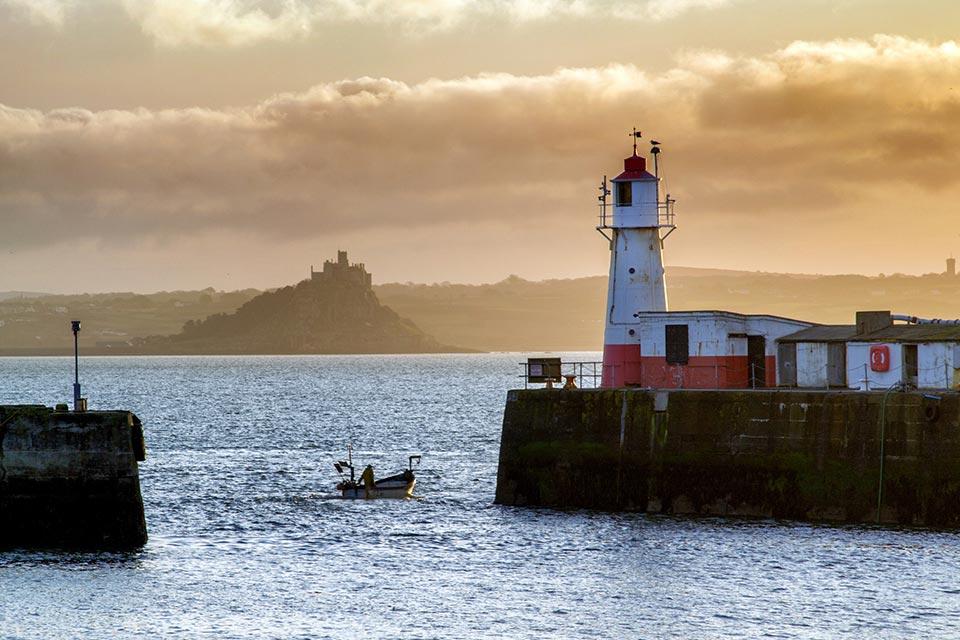 NewlynWest Cornwall
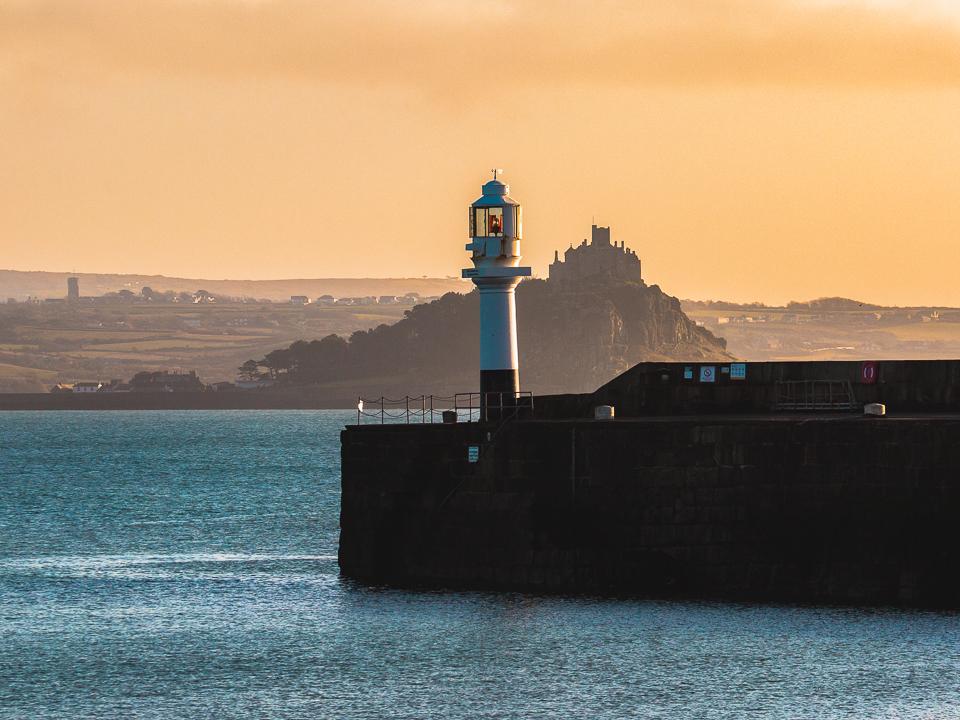 PenzanceWest Cornwall
- PorthcurnoWest Cornwall
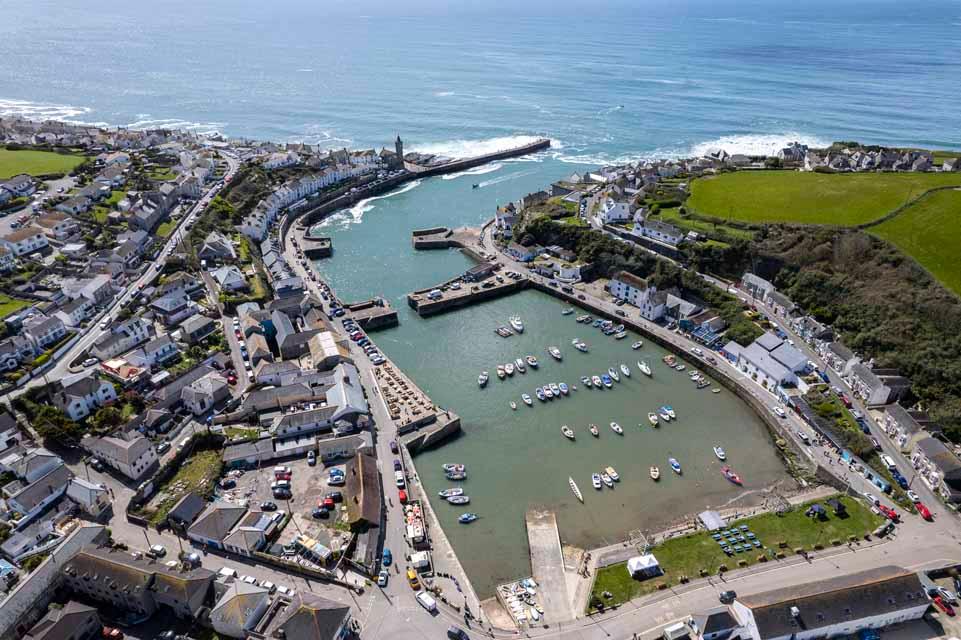 PorthlevenWest Cornwall
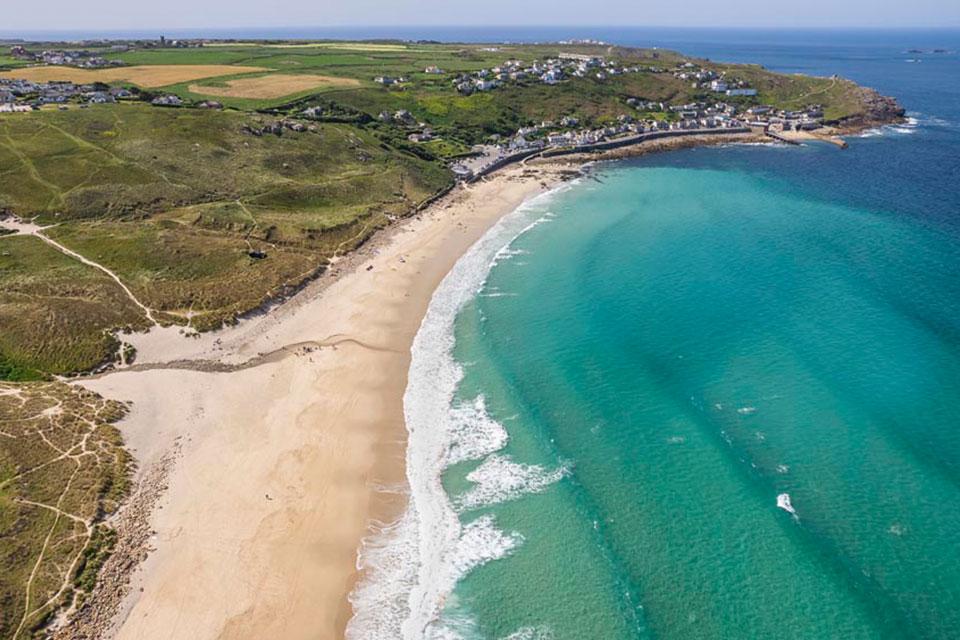 SennenWest Cornwall
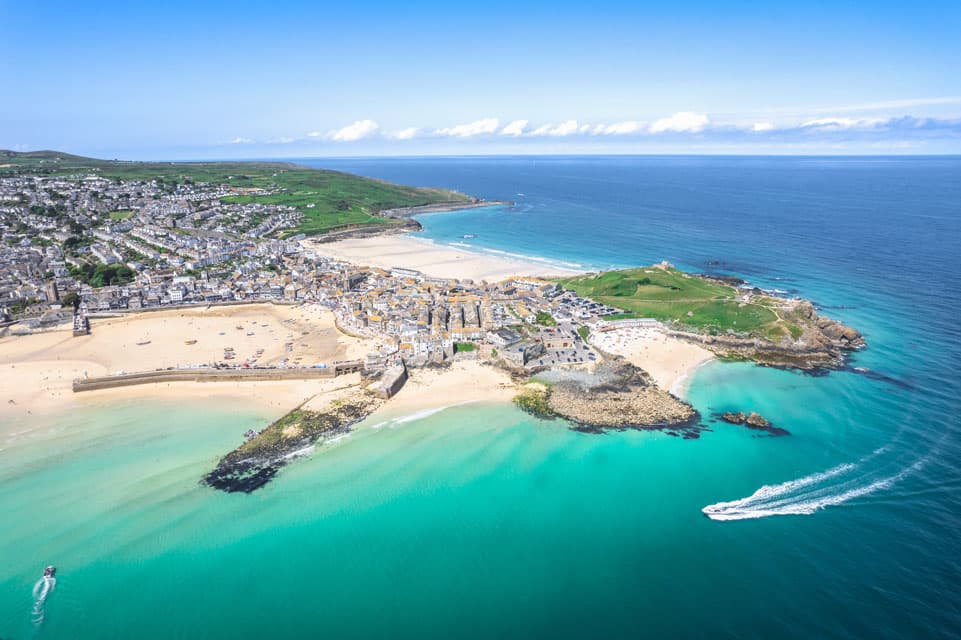 St IvesWest Cornwall
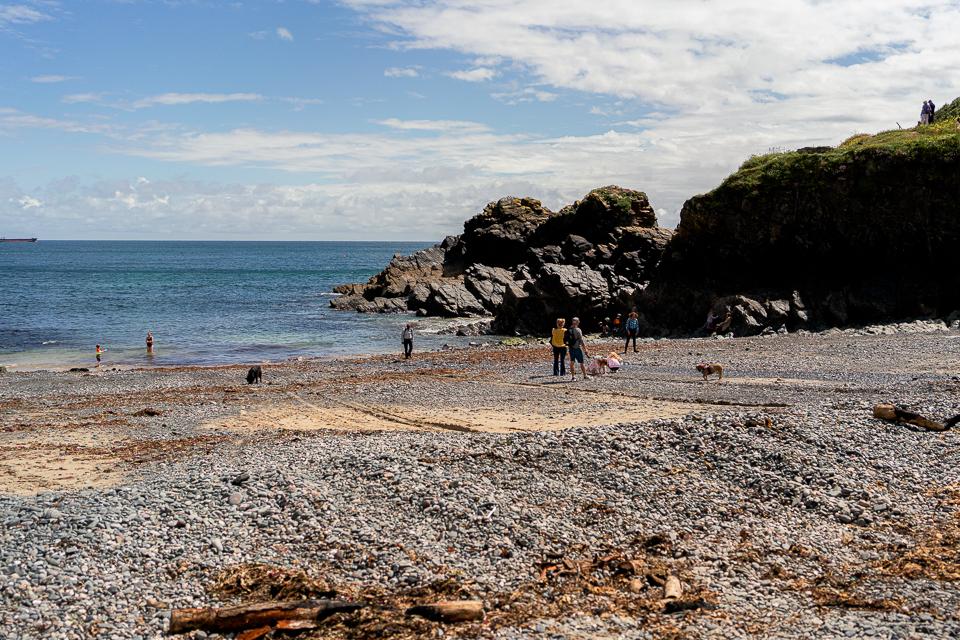 Cadgwith CoveWest Cornwall
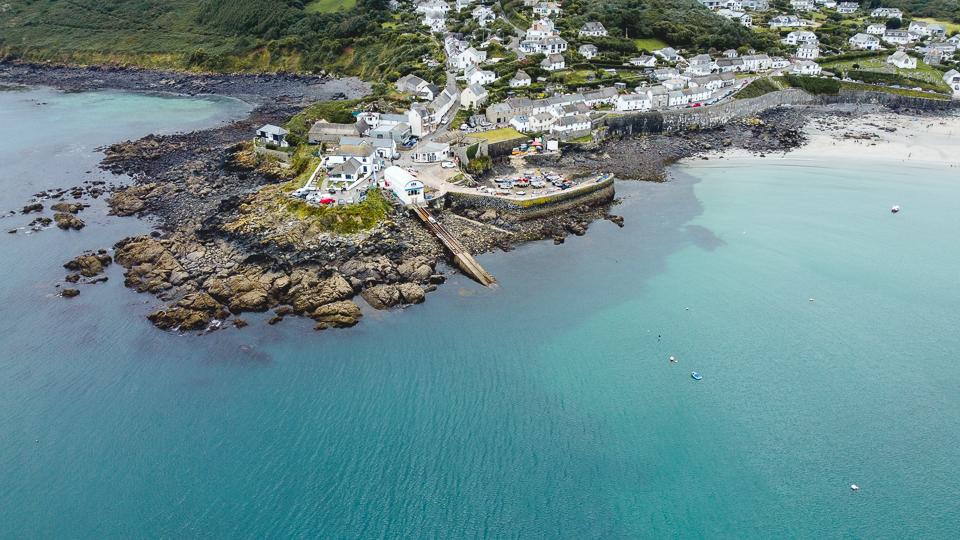 CoverackWest Cornwall
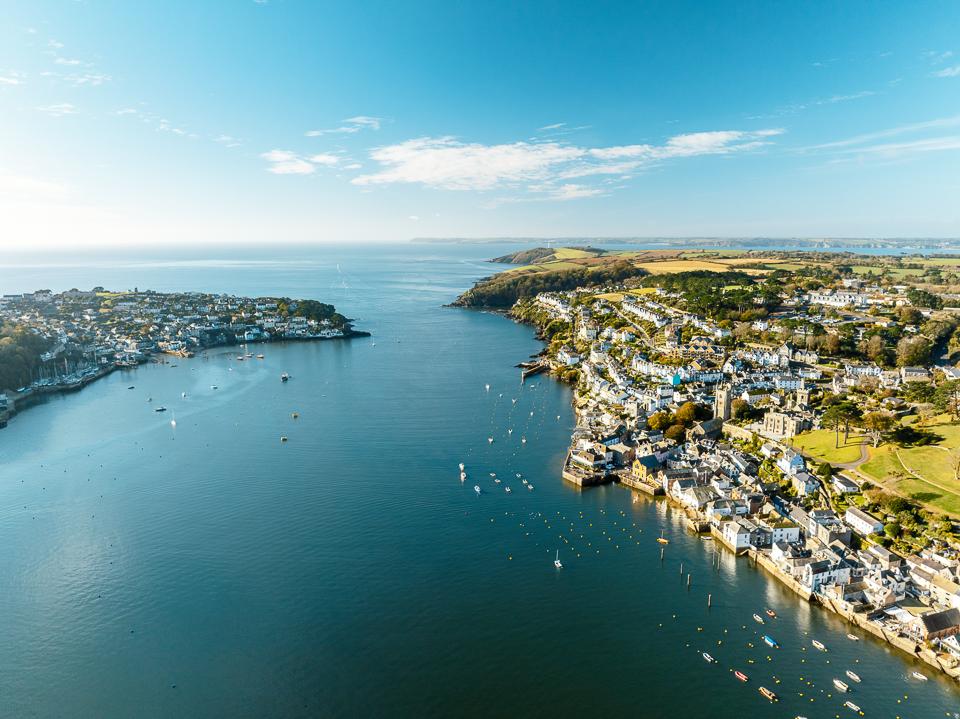 FoweySouth East Cornwall
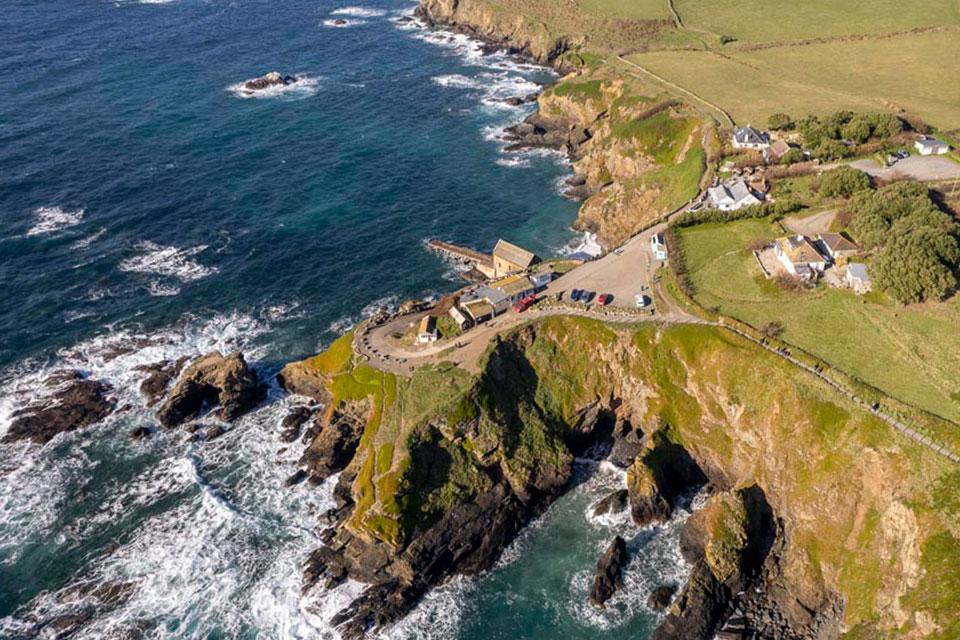 The LizardWest Cornwall
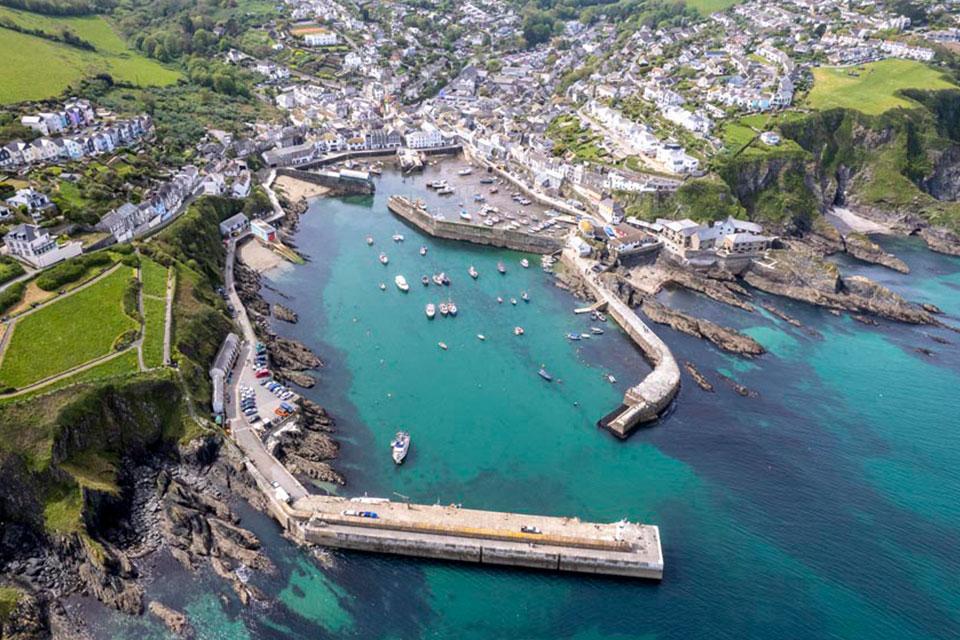 MevagisseySouth East Cornwall
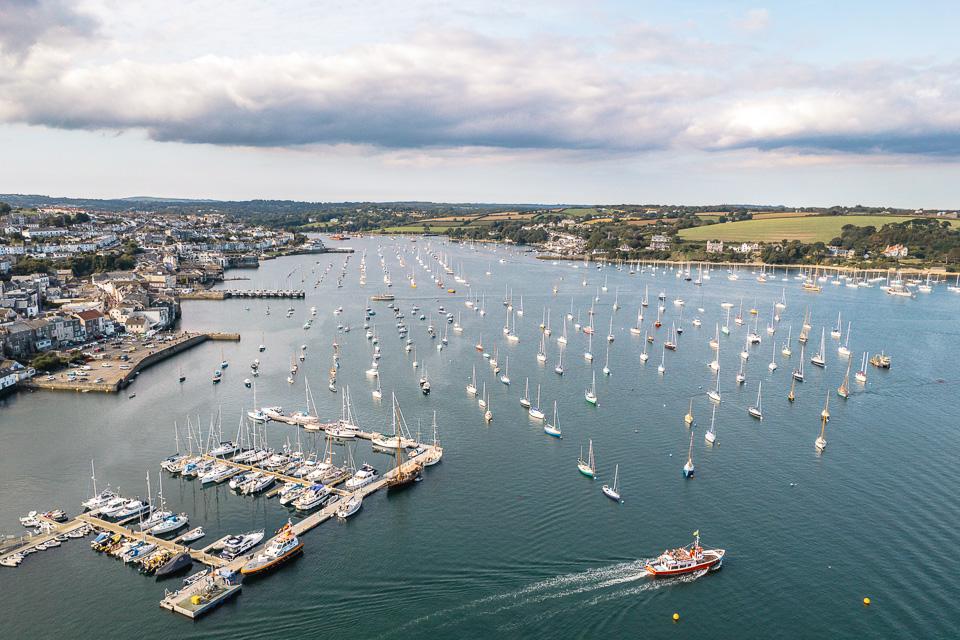 FalmouthCentral Cornwall
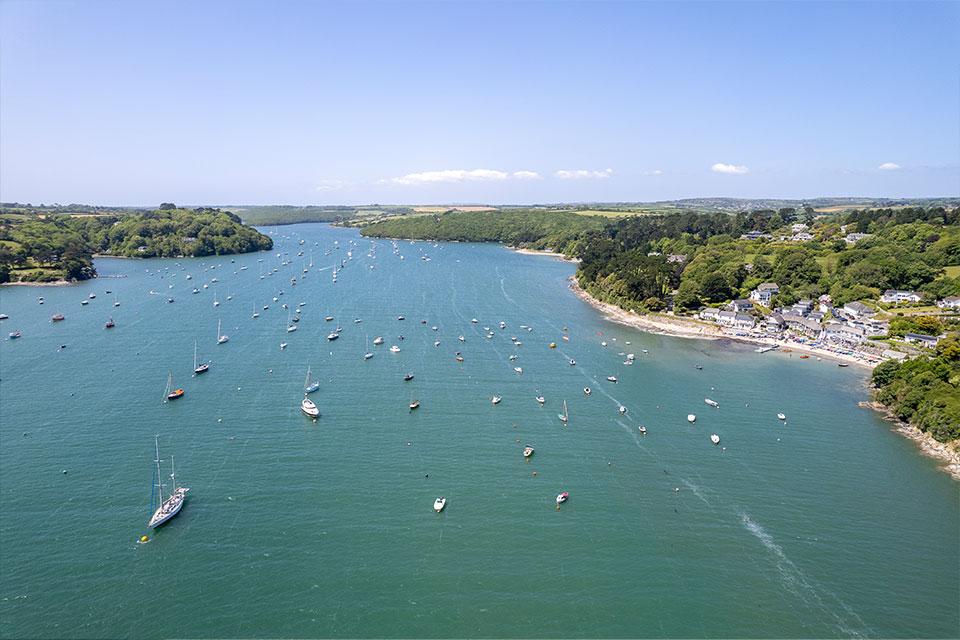 HelfordWest Cornwall
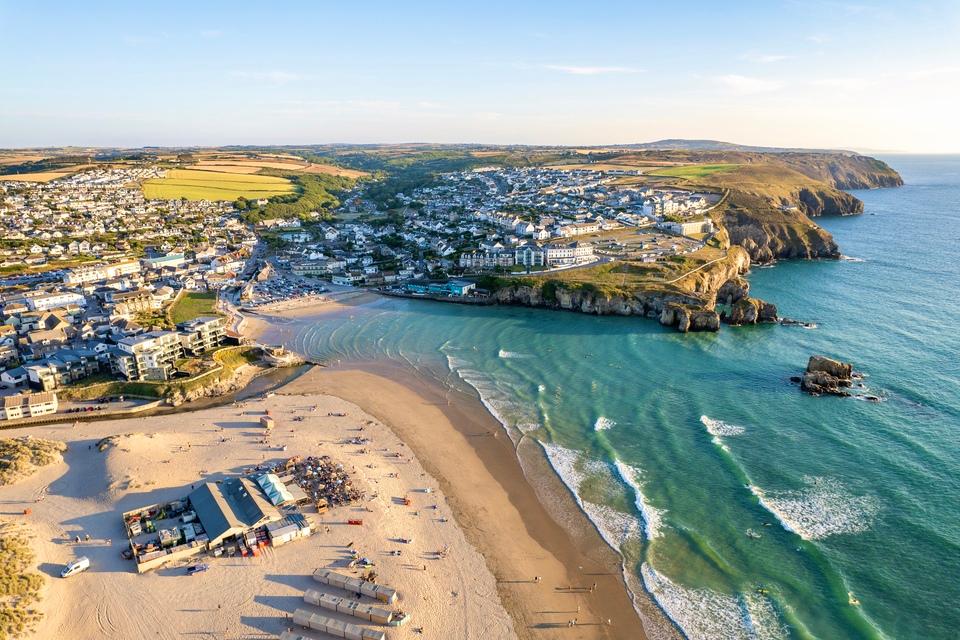 PerranporthNorth Cornwall
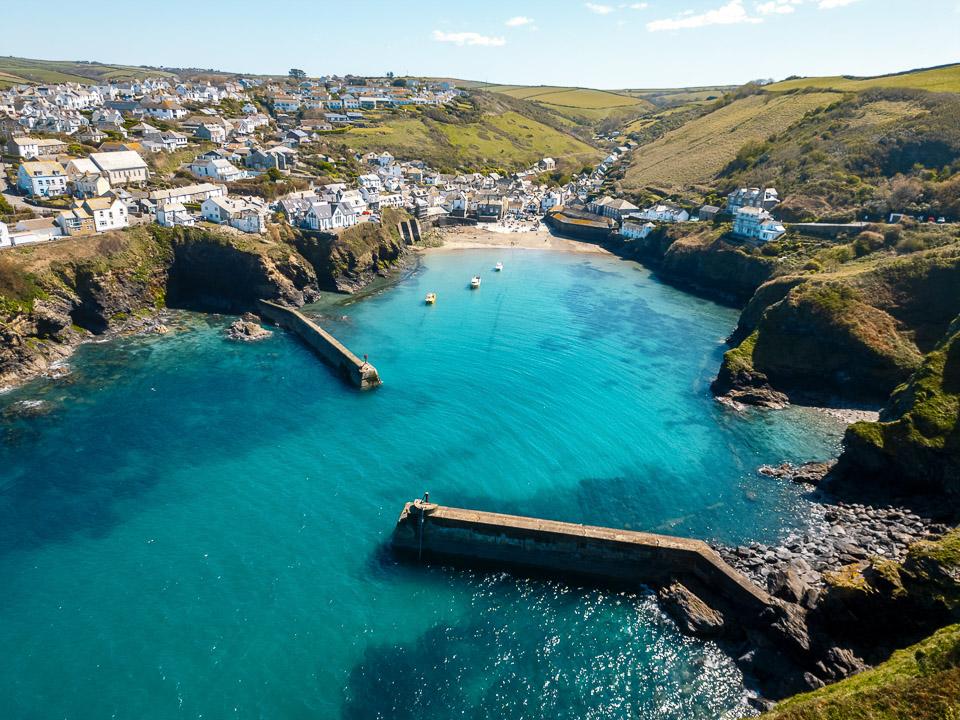 Port IsaacNorth Cornwall
- TintagelNorth Cornwall
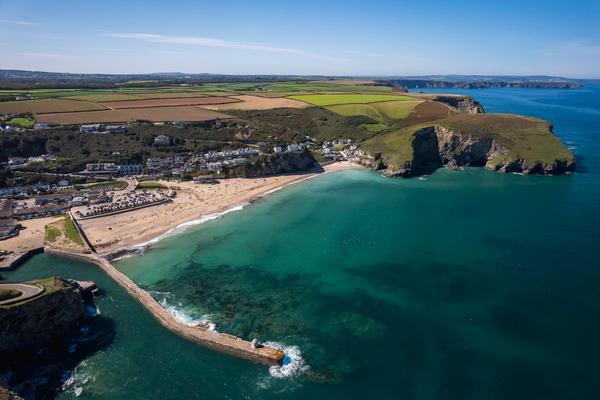 PortreathNorth Cornwall
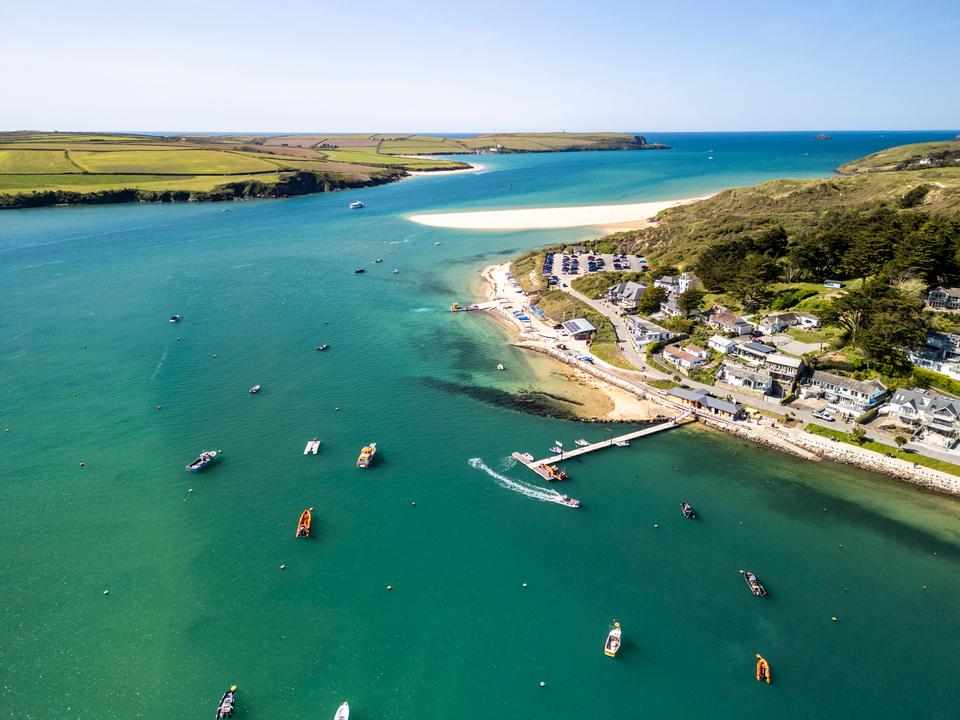 RockNorth Cornwall
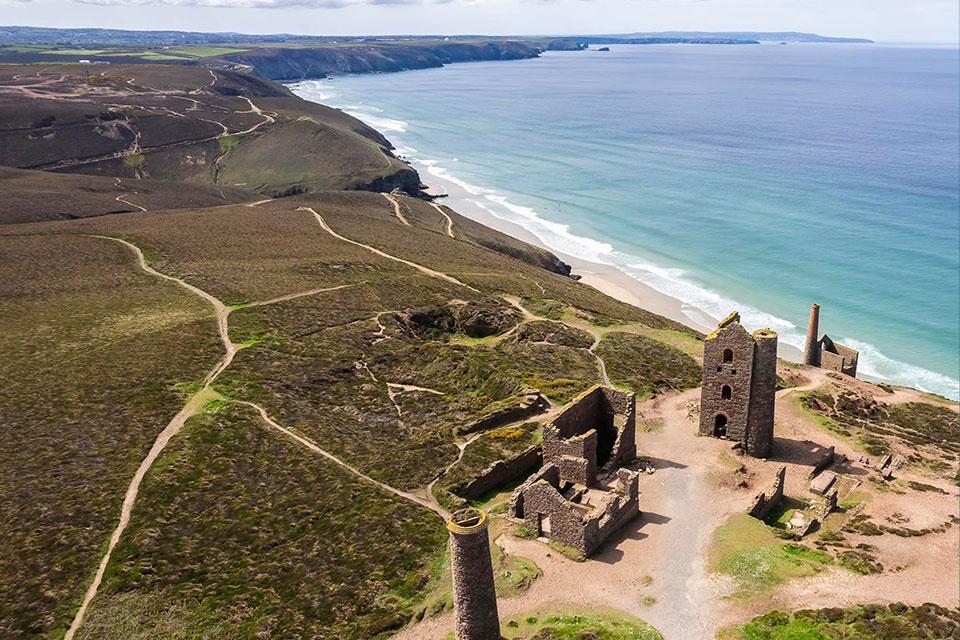 St AgnesNorth Cornwall
- HelstonWest Cornwall
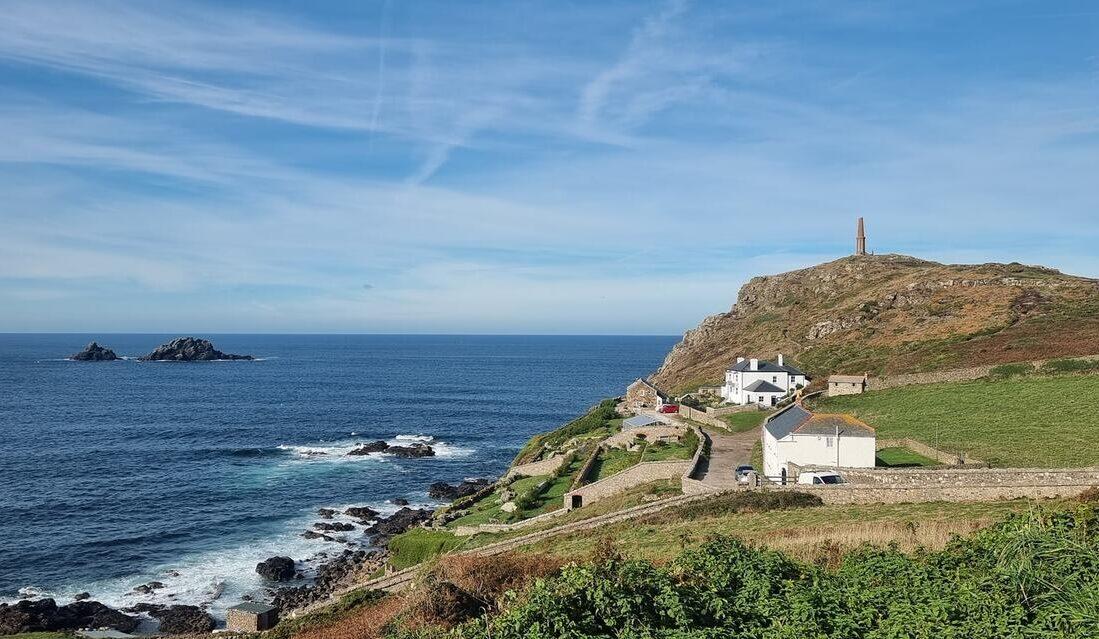 St JustWest Cornwall
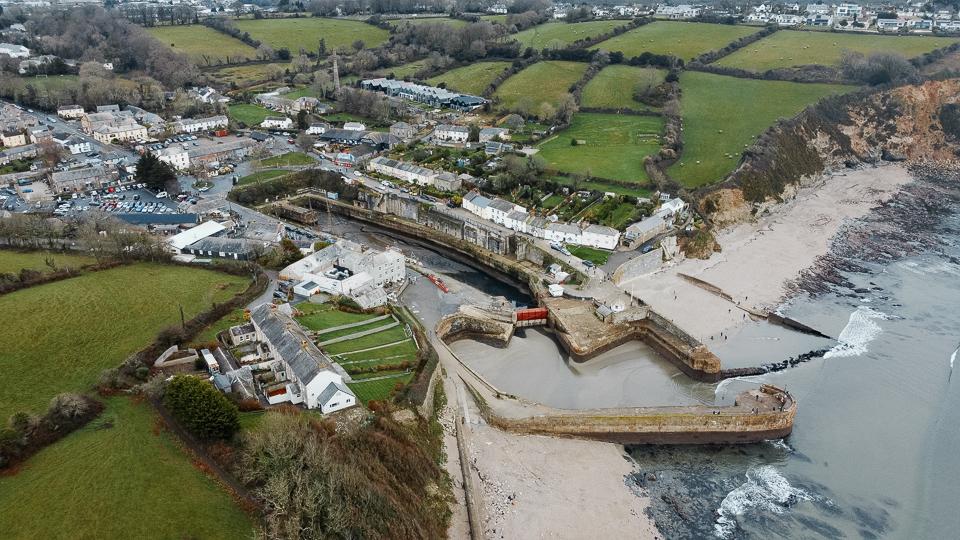 CharlestownSouth East Cornwall
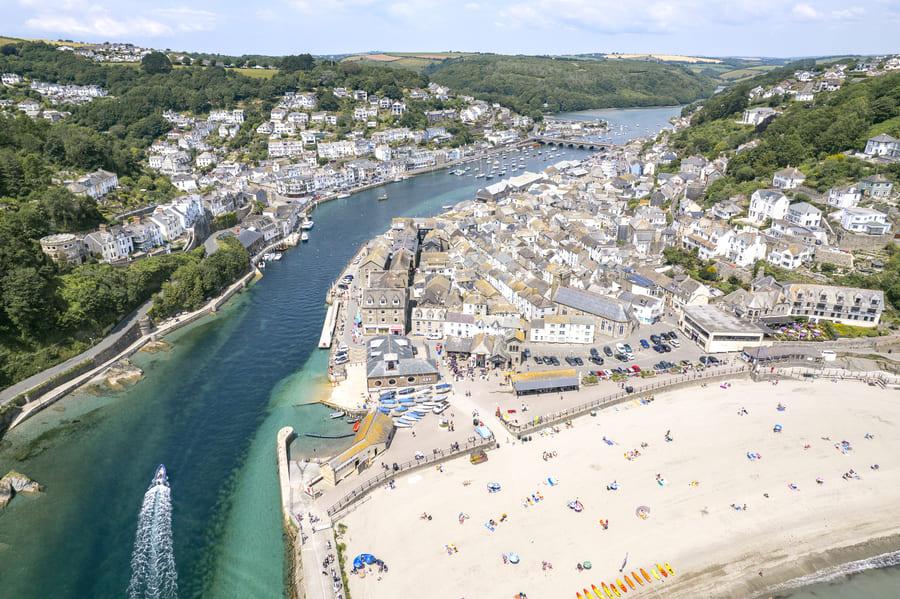 LooeSouth East Cornwall
- LostwithielSouth East Cornwall
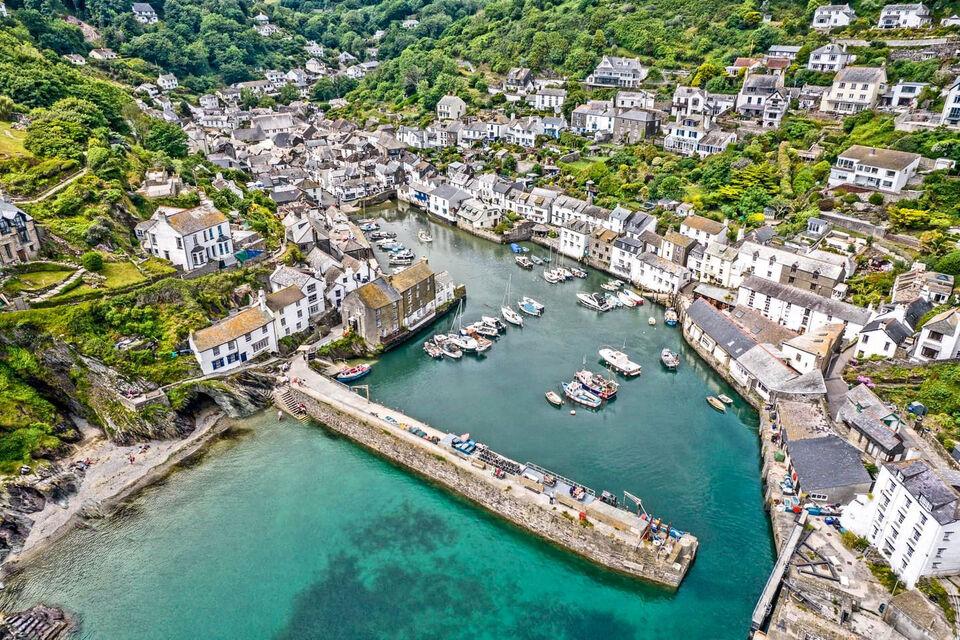 PolperroSouth East Cornwall
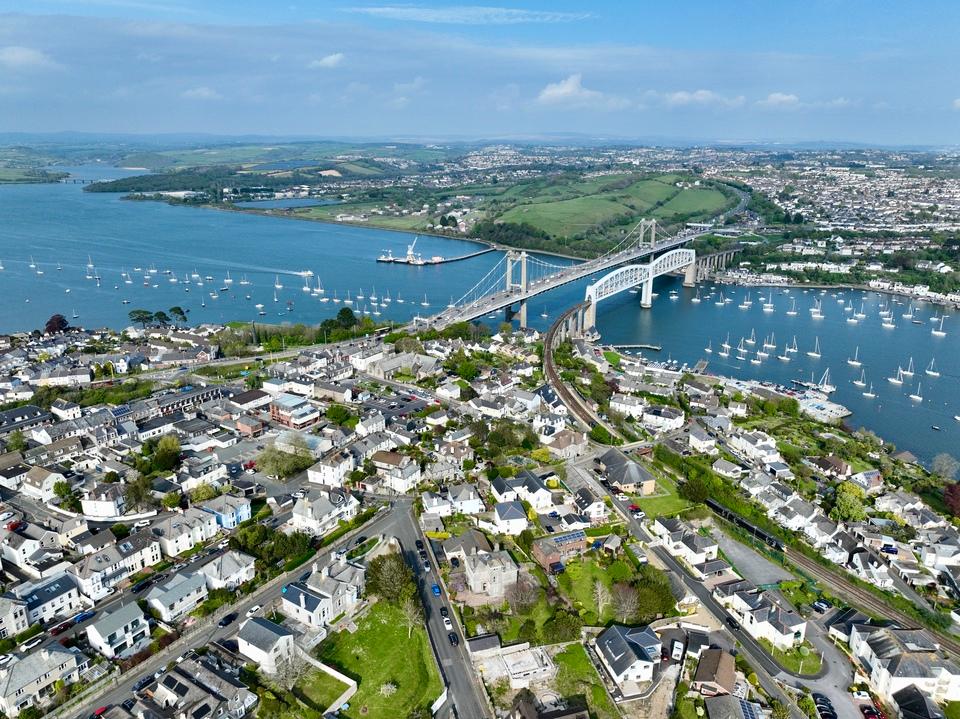 SaltashSouth East Cornwall
- St AustellSouth East Cornwall
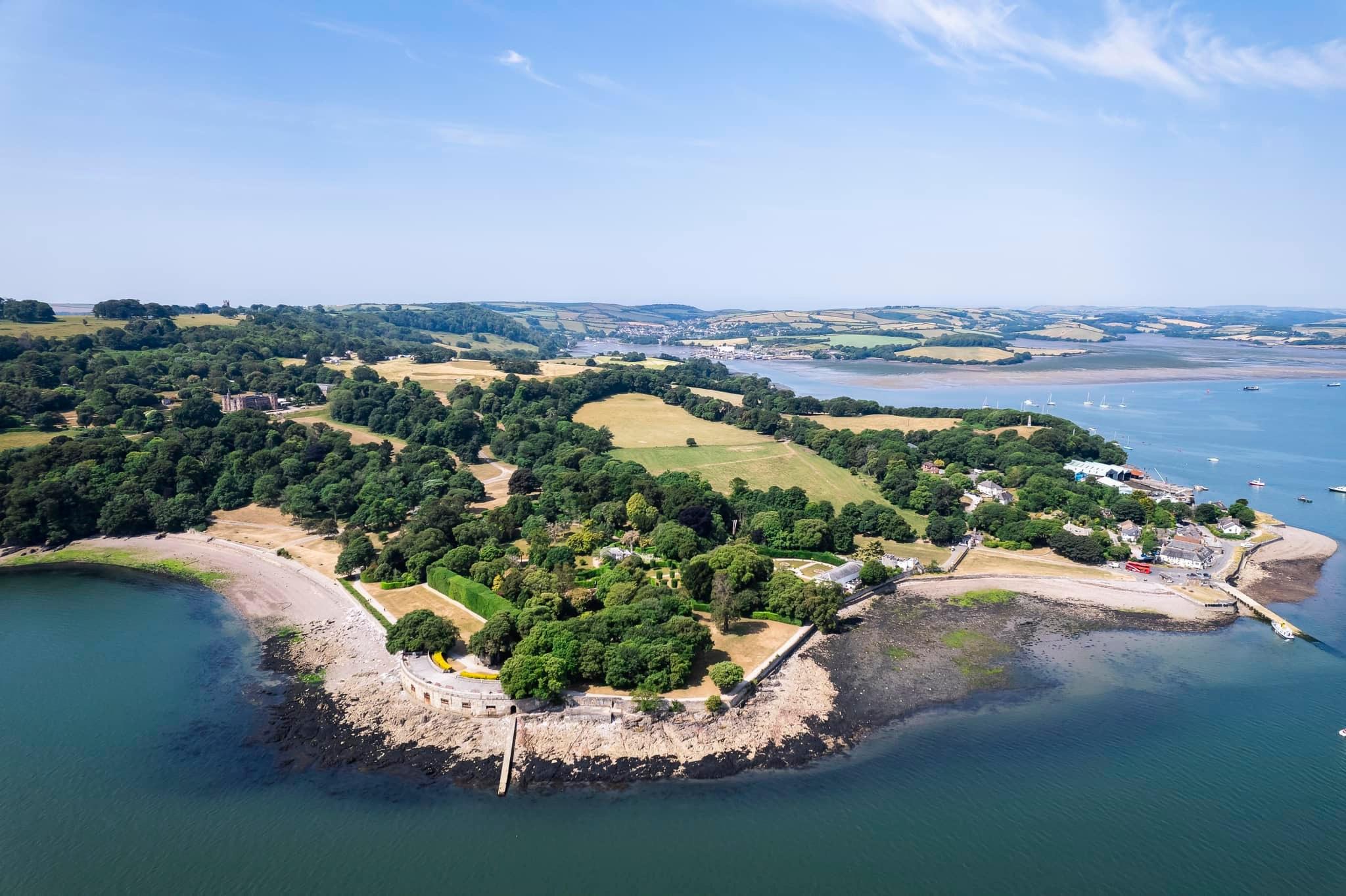 TorpointSouth East Cornwall
- PenrynCentral Cornwall
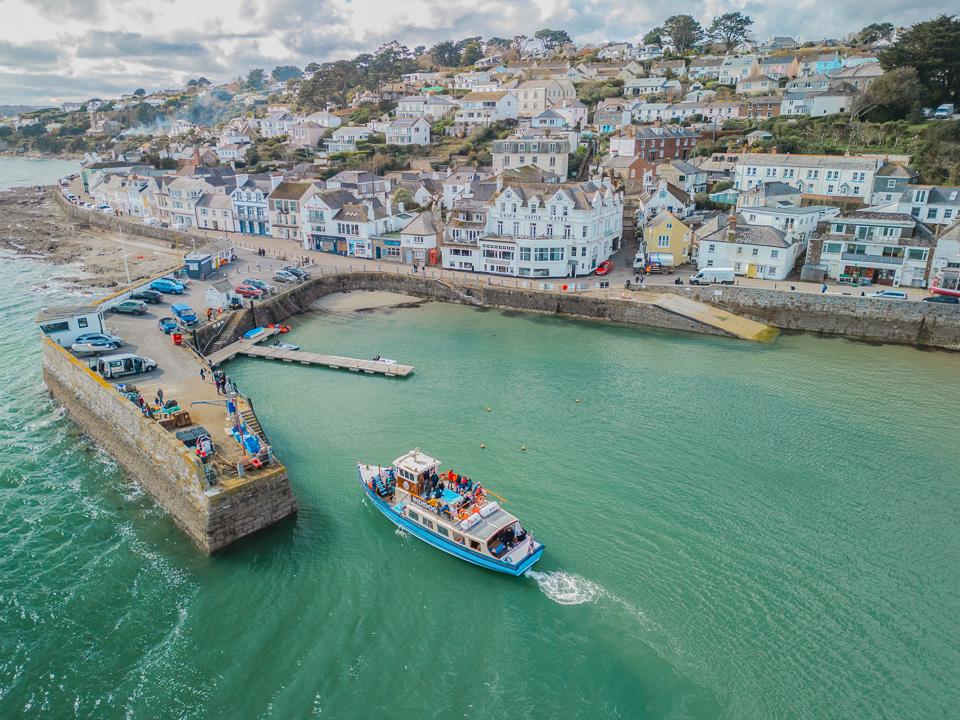 St MawesCentral Cornwall
- TruroCentral Cornwall
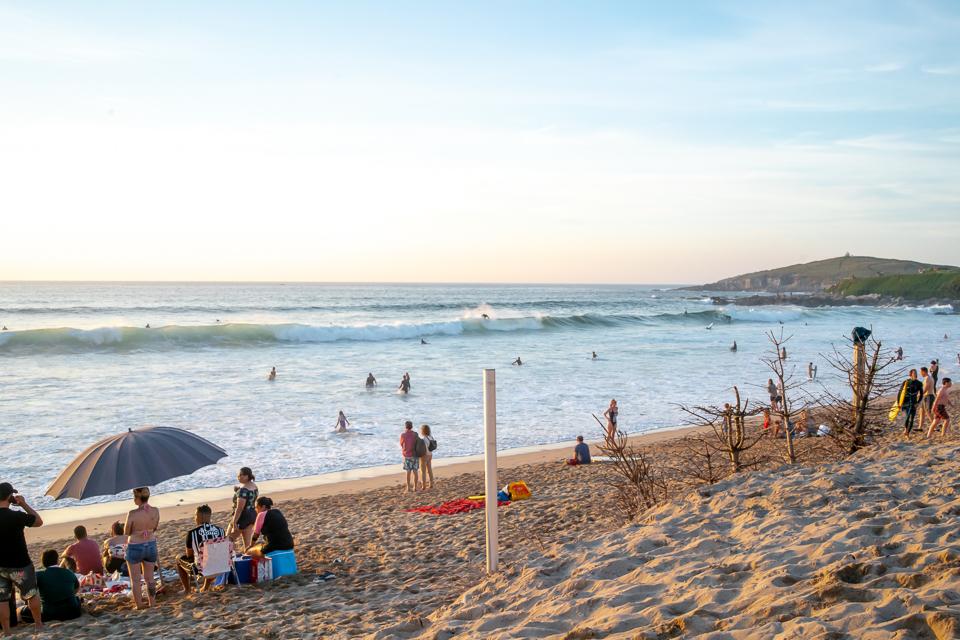 Fistral BeachNorth Cornwall
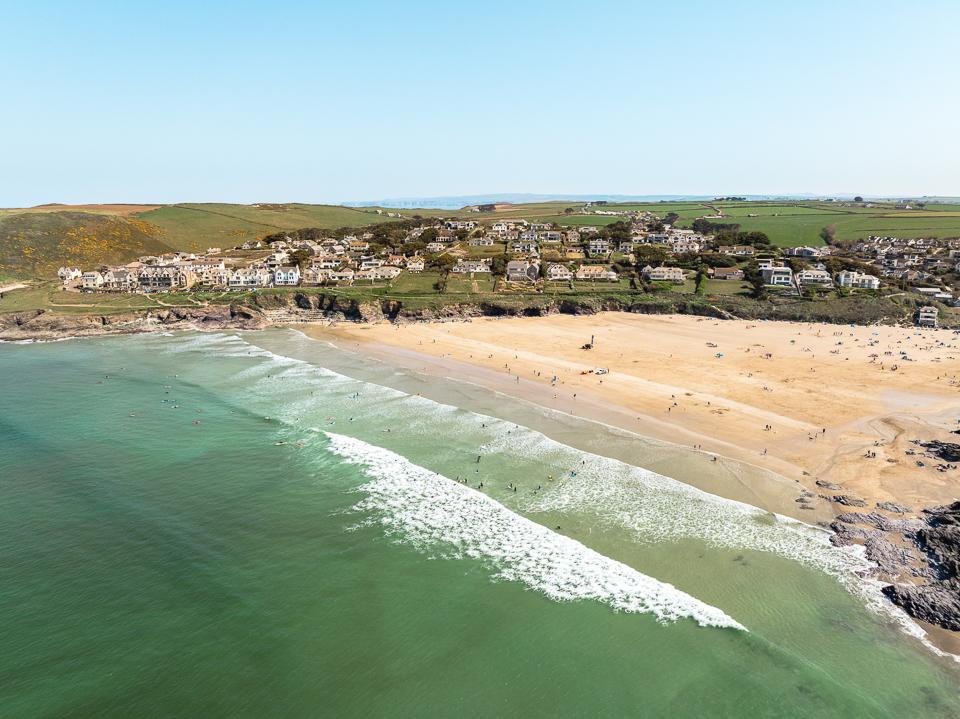 Polzeath BeachNorth Cornwall
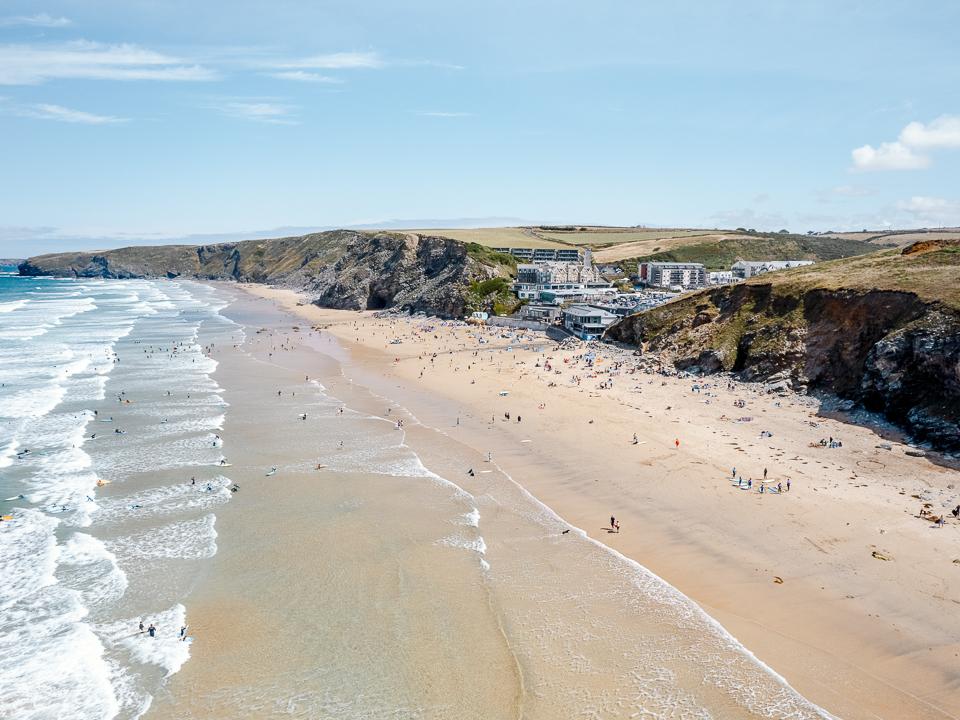 Watergate Bay BeachNorth Cornwall
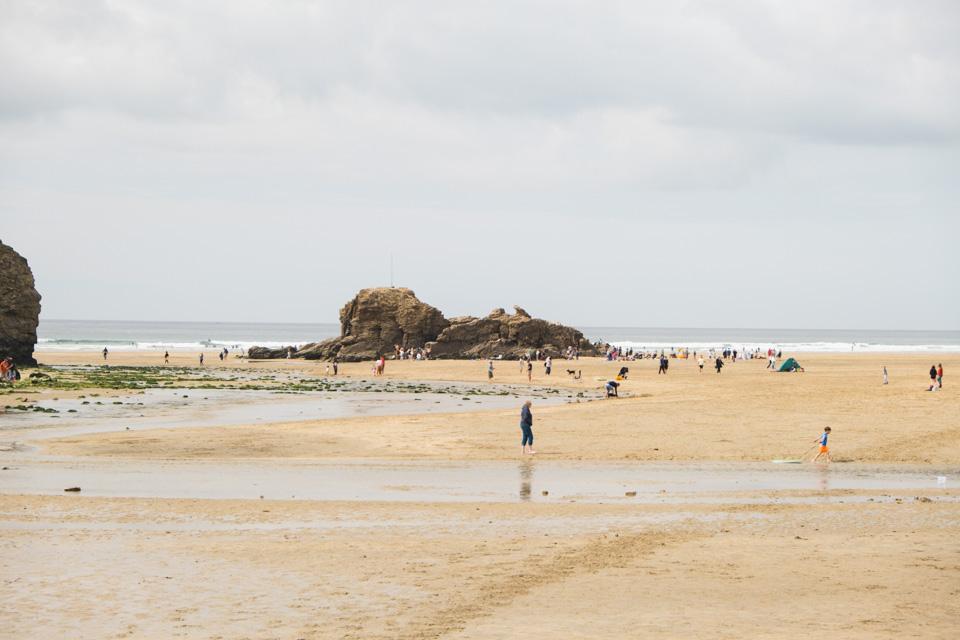 Perranporth BeachNorth Cornwall
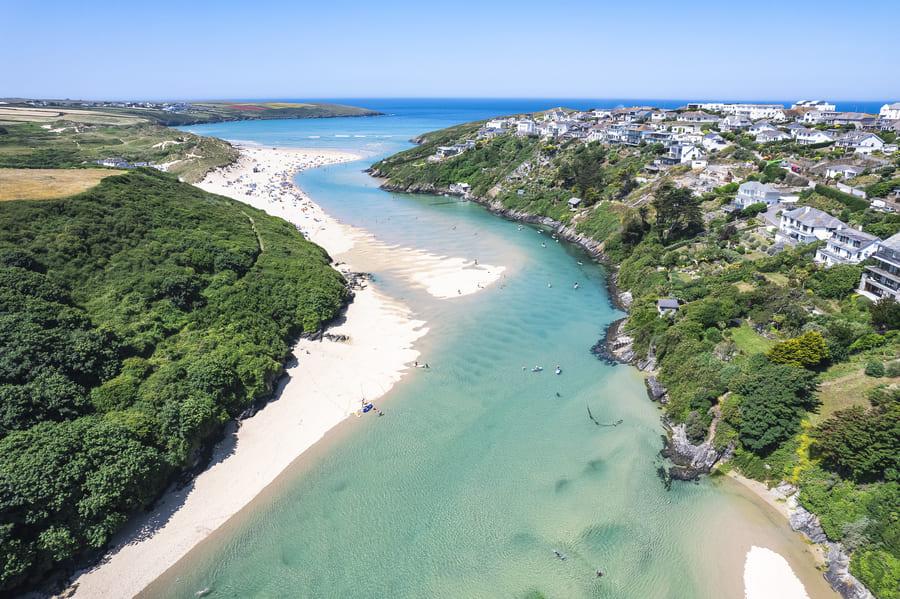 Crantock BeachNorth Cornwall
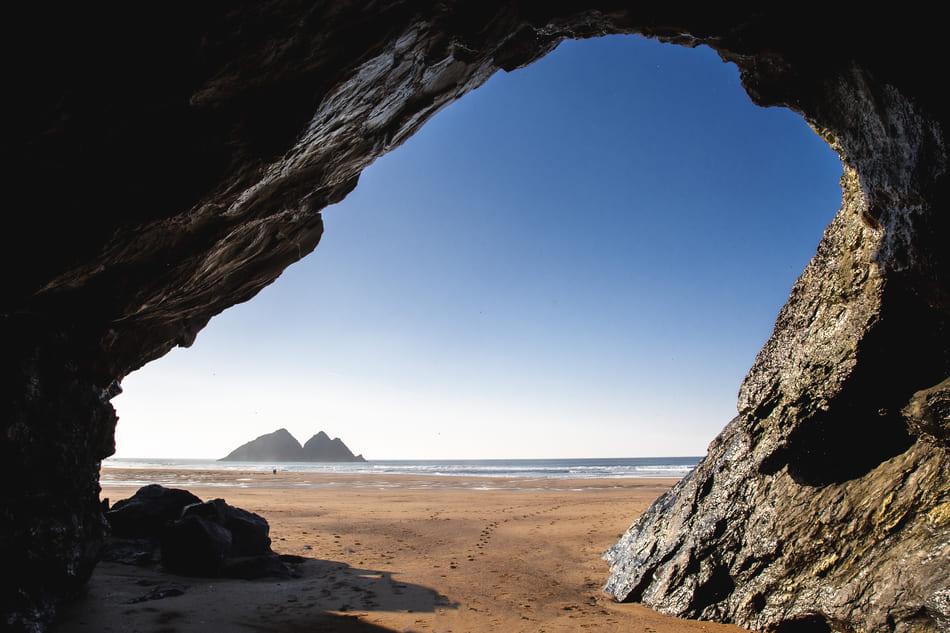 Holywell Bay BeachNorth Cornwall
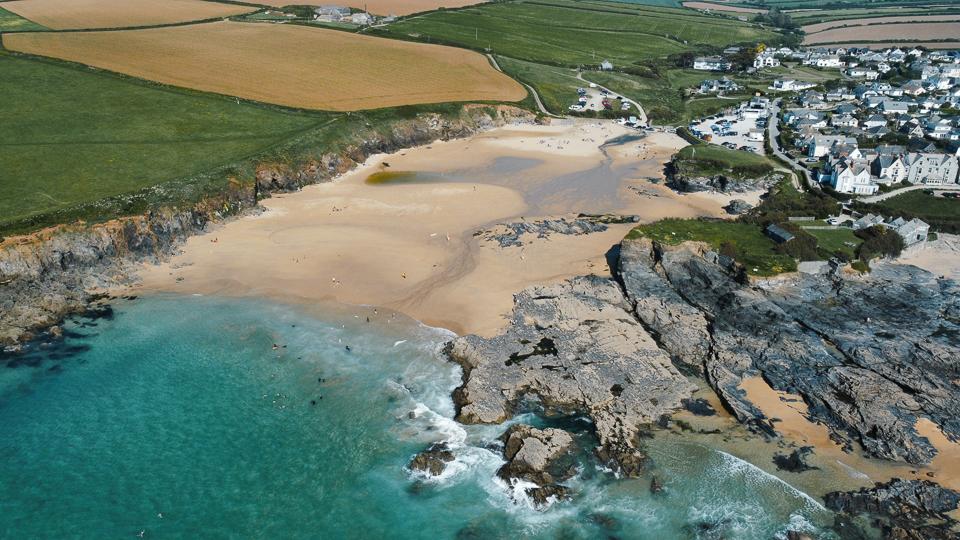 Trevone Bay BeachNorth Cornwall
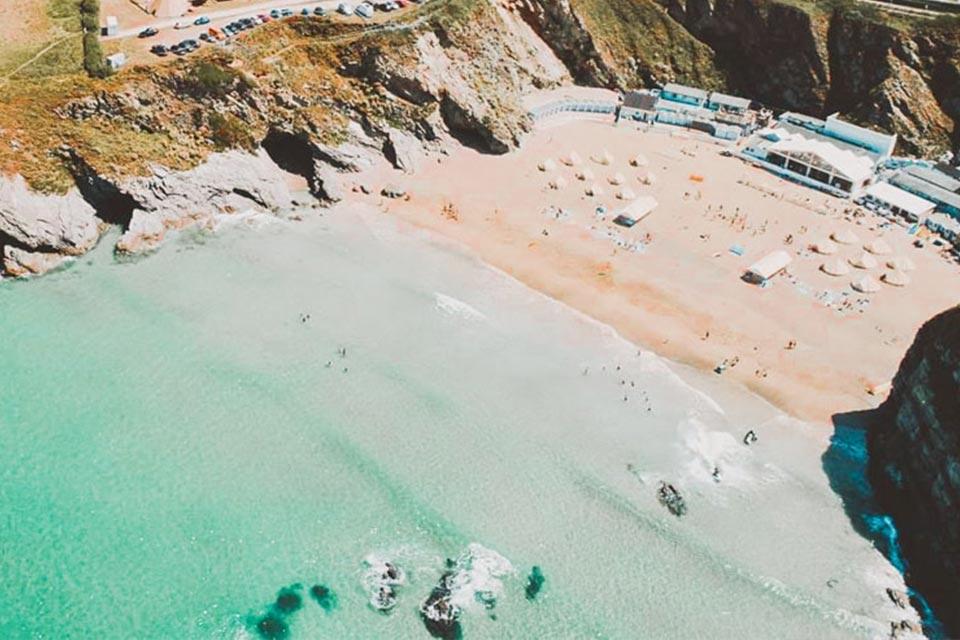 Lusty Glaze BeachNorth Cornwall
- Marazion BeachWest Cornwall
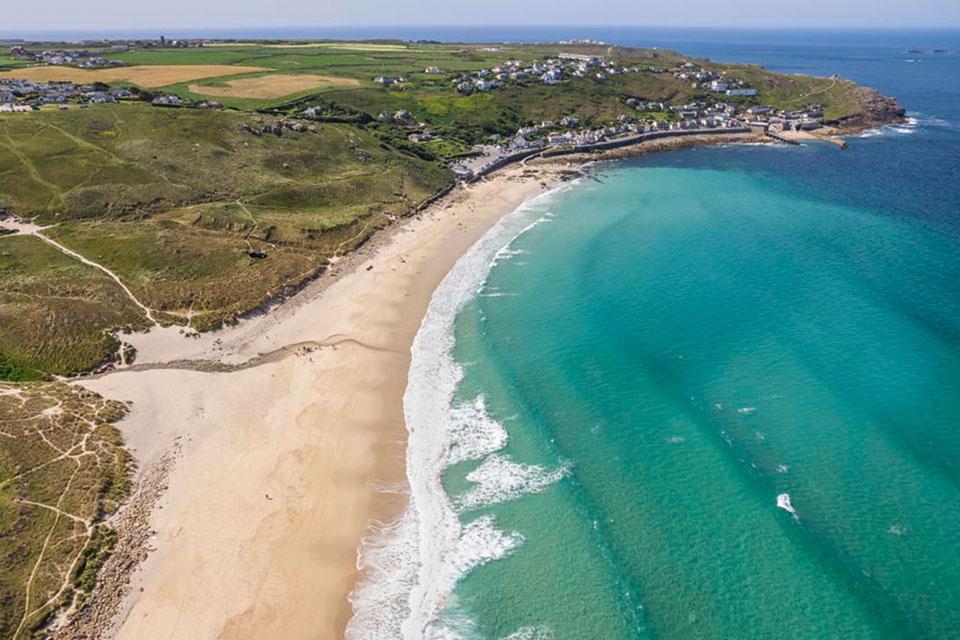 Sennen CoveWest Cornwall
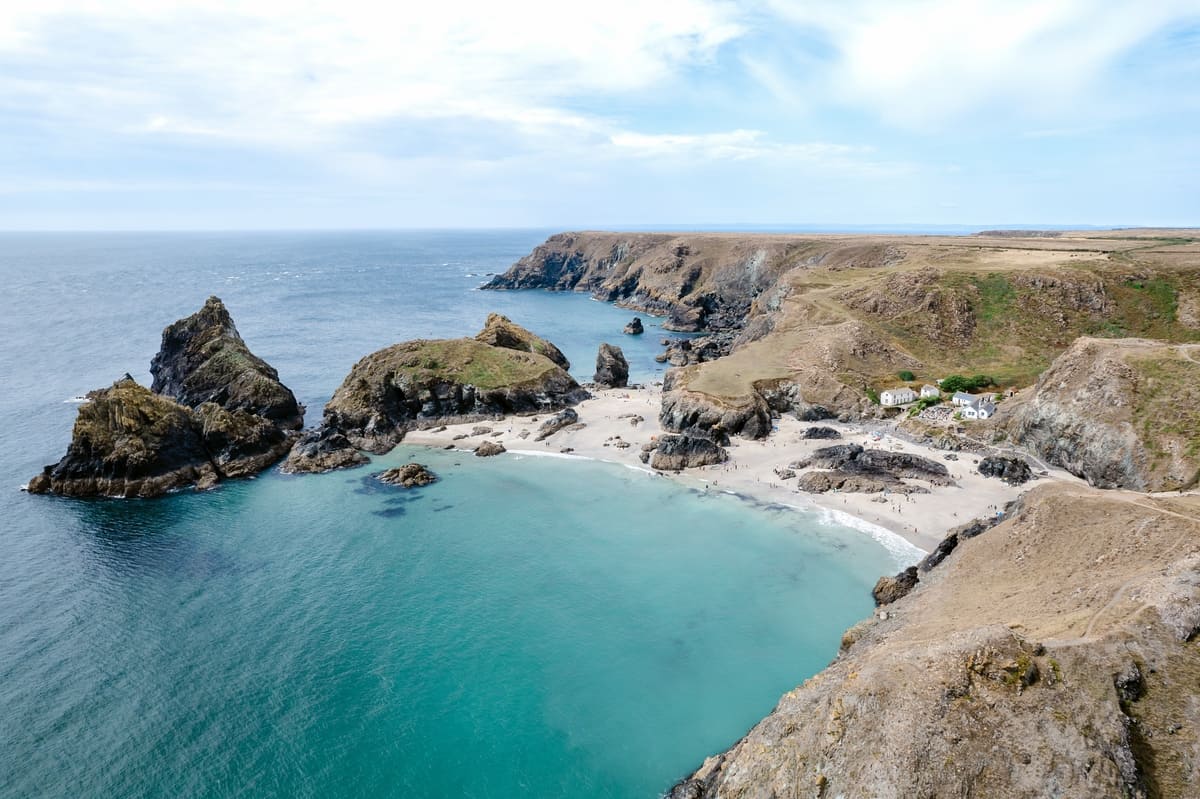 Kynance CoveWest Cornwall
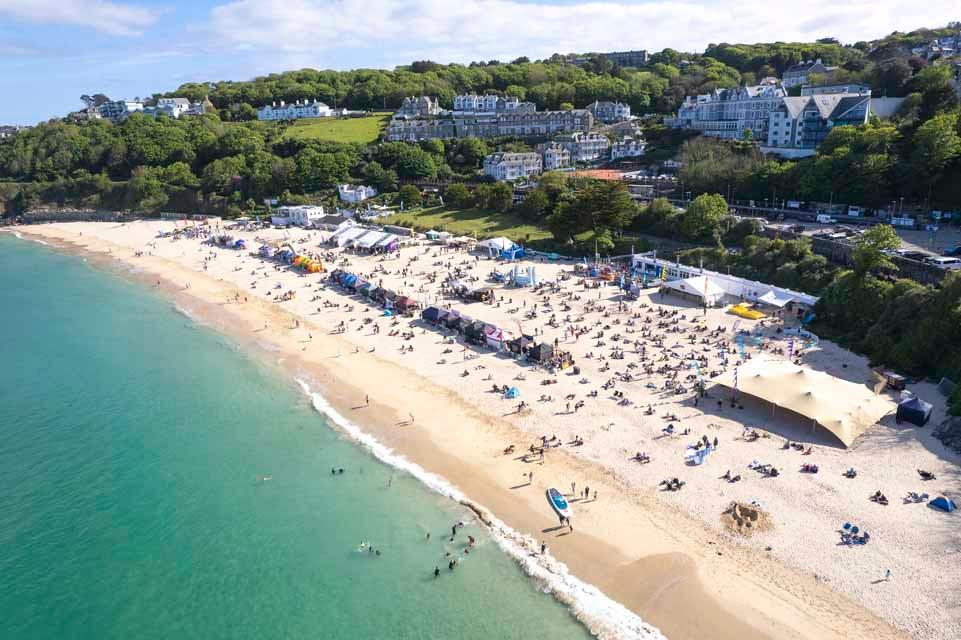 Porthminster BeachWest Cornwall
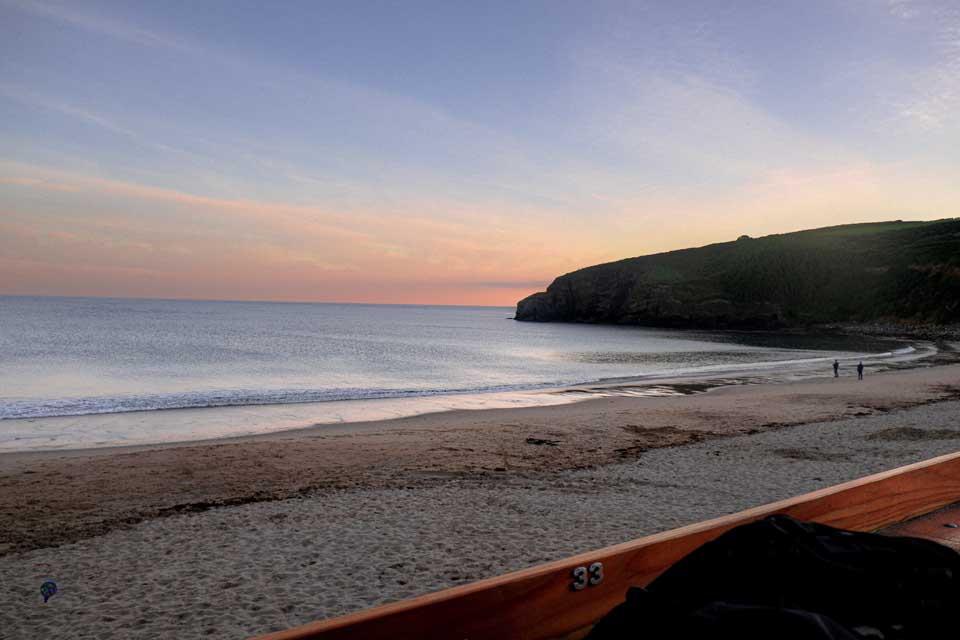 Praa Sands BeachWest Cornwall
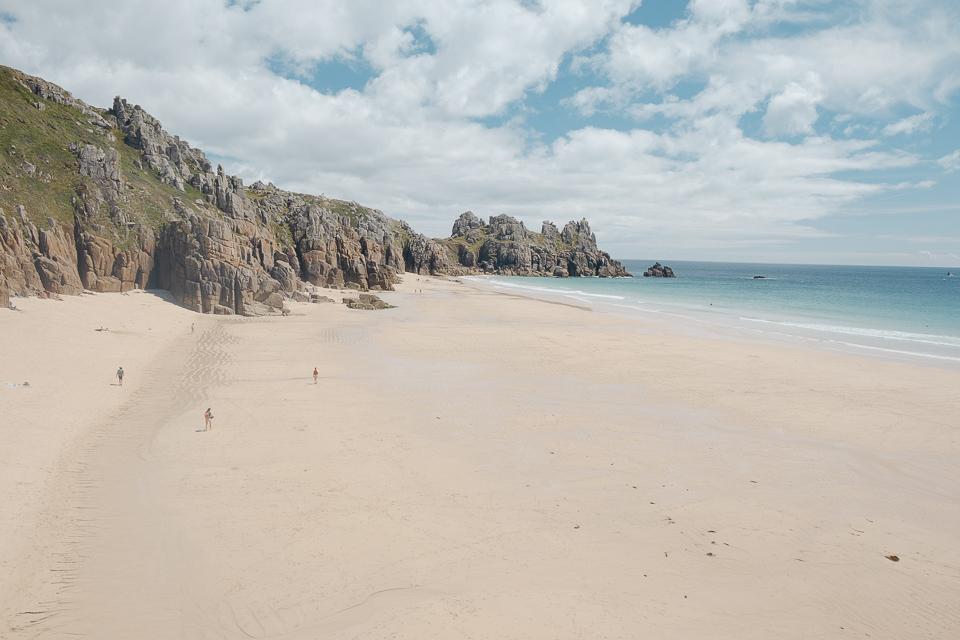 Pedn Vounder BeachWest Cornwall
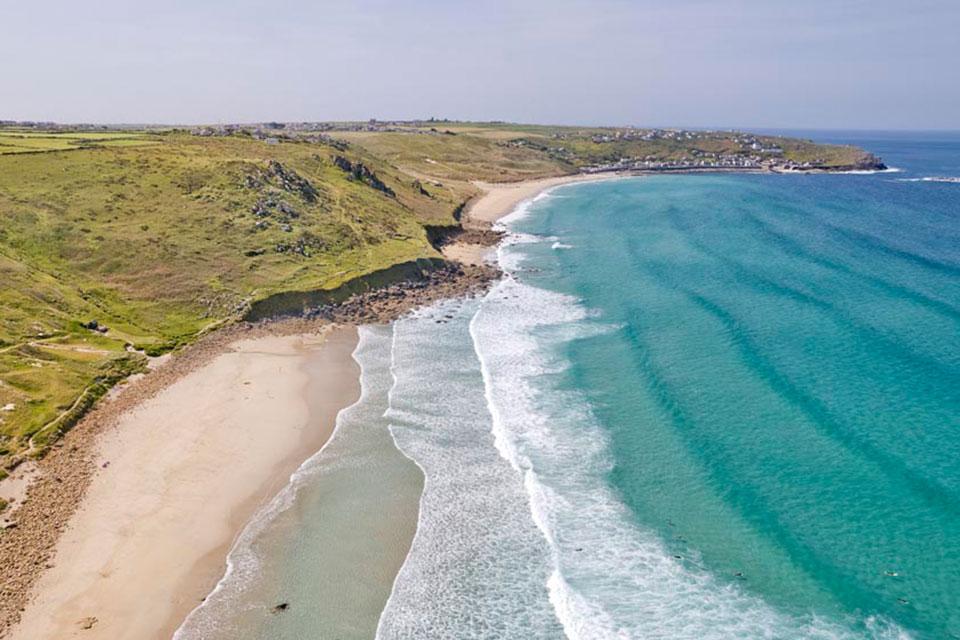 Gwynver BeachWest Cornwall
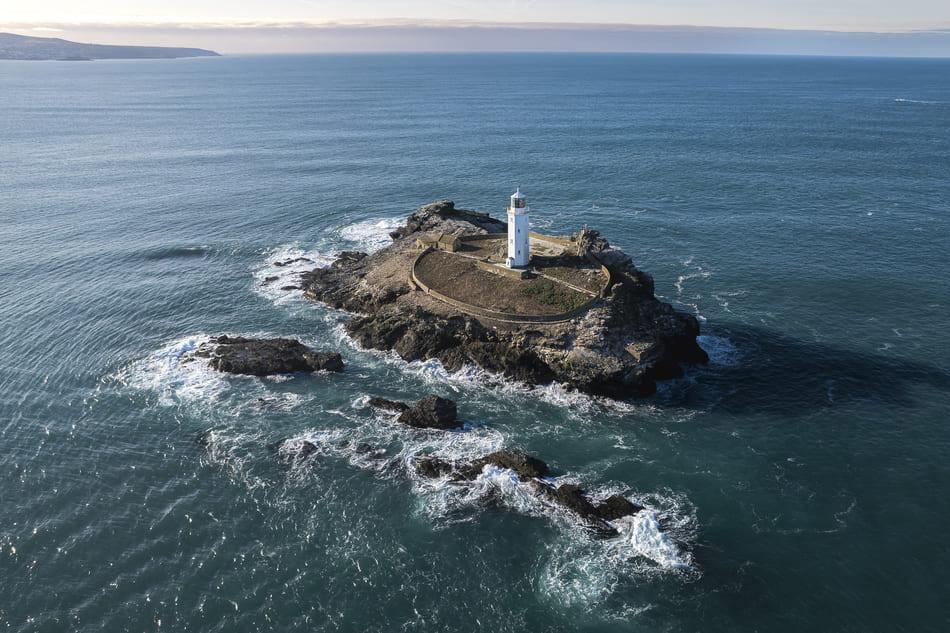 Godrevy BeachWest Cornwall
- Porthcurno BeachWest Cornwall
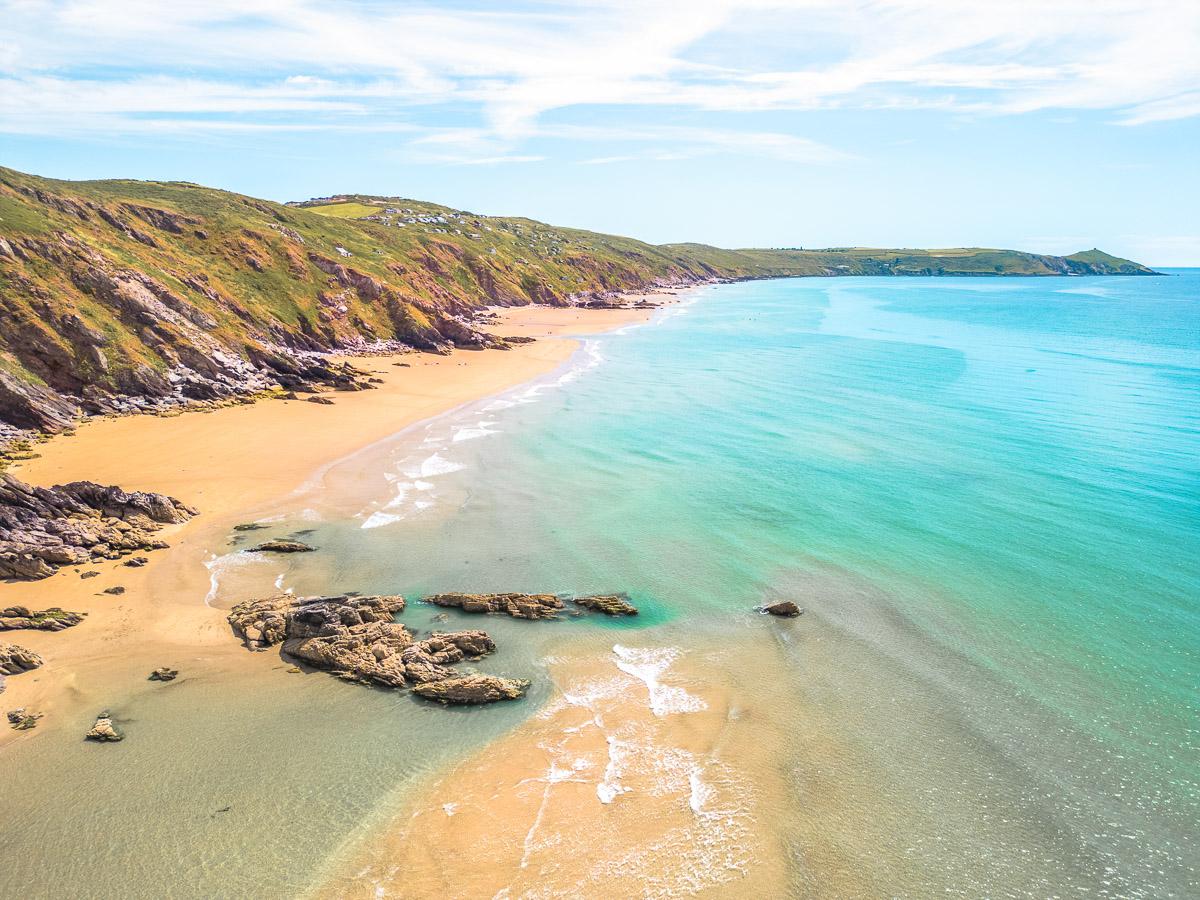 Whitsand BaySouth East Cornwall
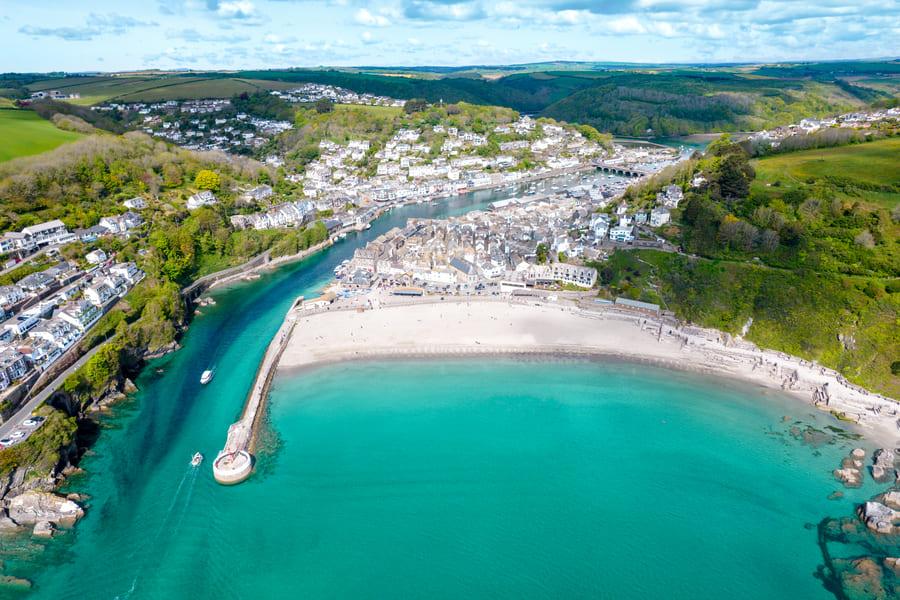 Looe BeachSouth East Cornwall
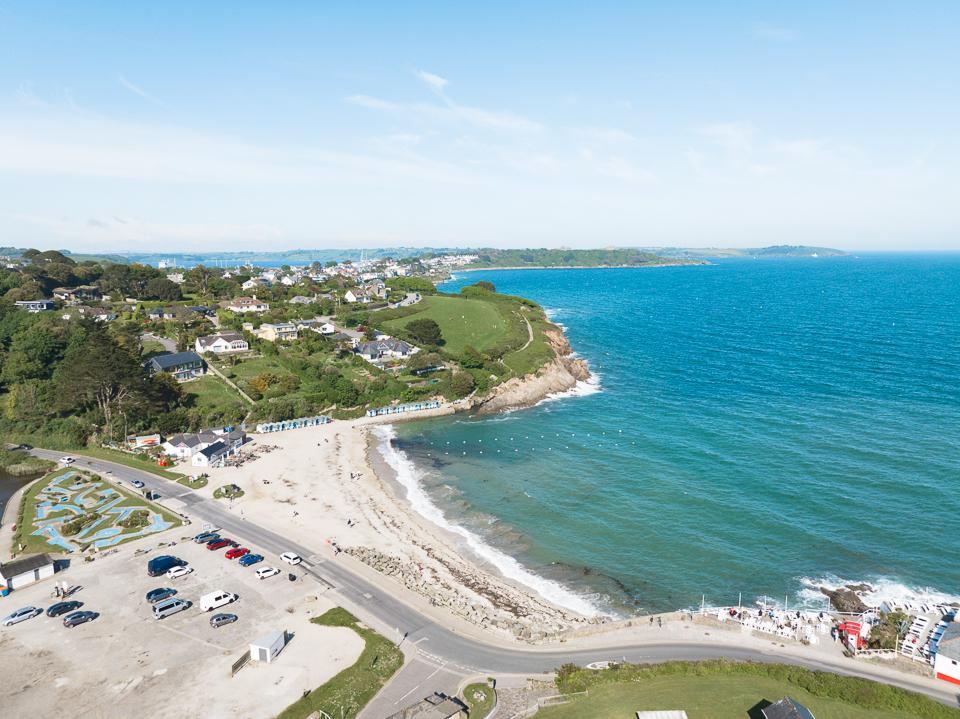 Swanpool BeachCentral Cornwall
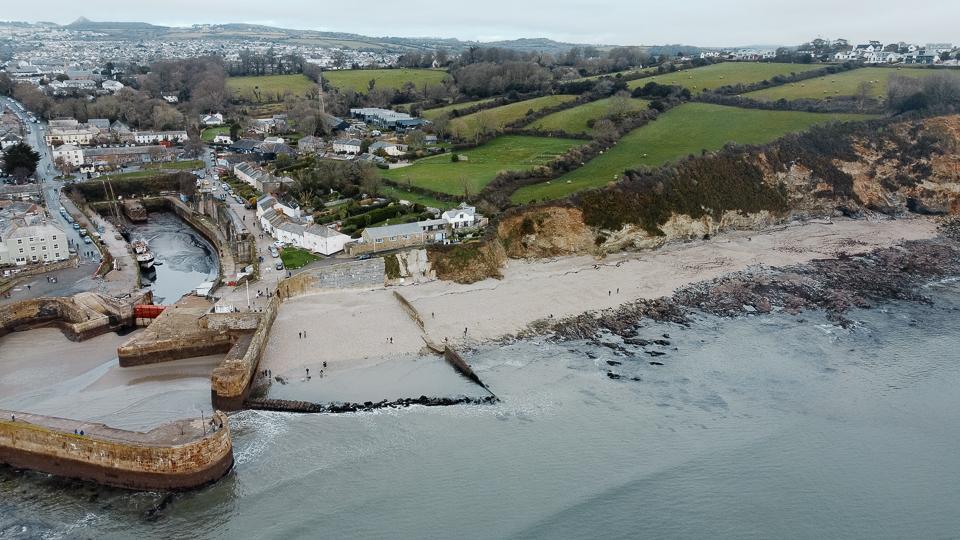 Charlestown BeachSouth East Cornwall
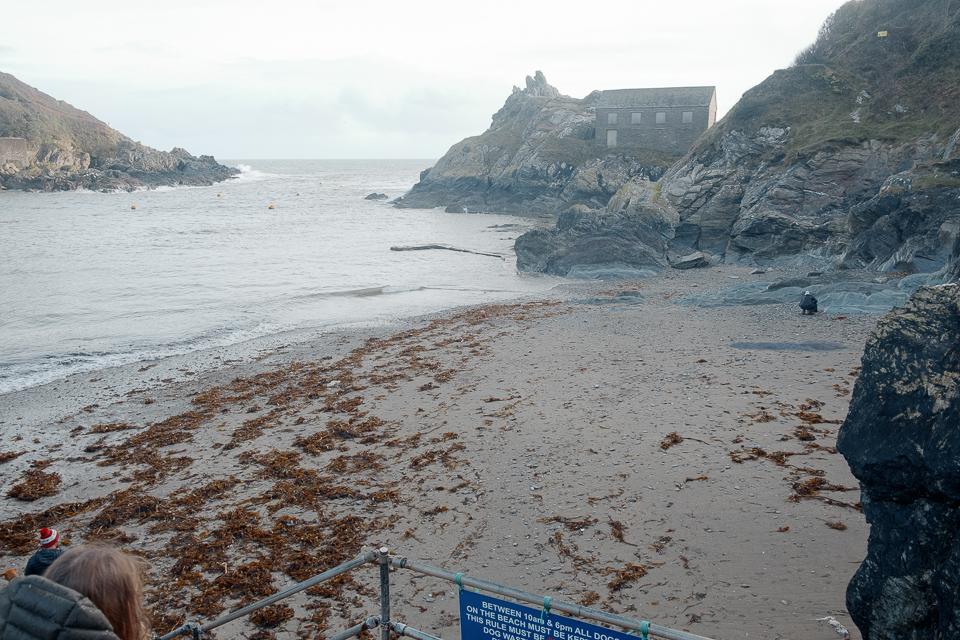 Polperro BeachSouth East Cornwall
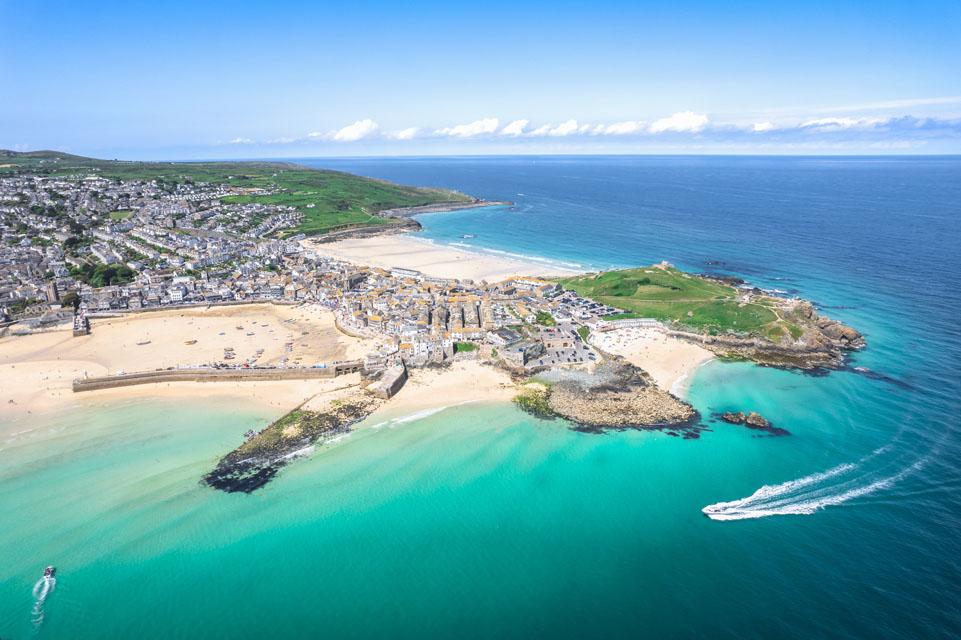 Bamaluz BeachWest Cornwall
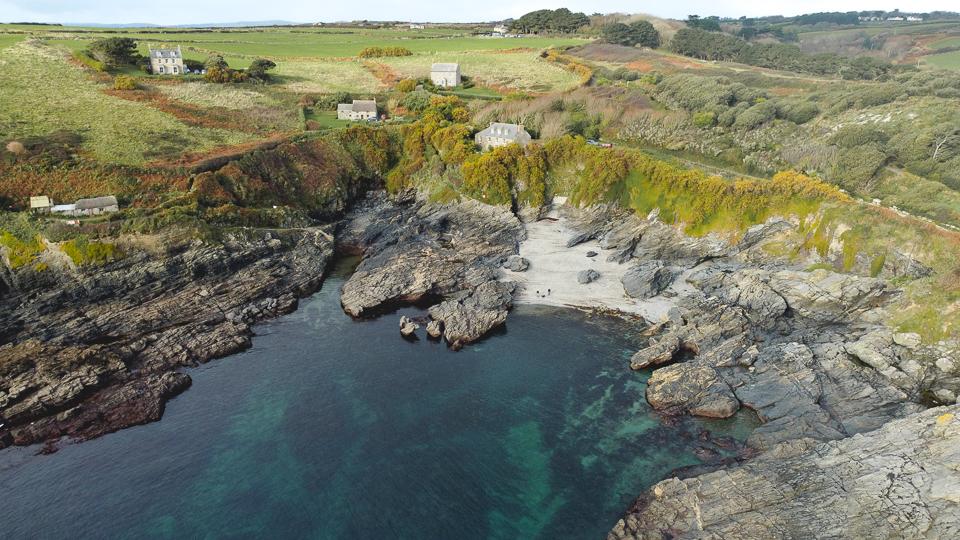 Bessy’s CoveWest Cornwall
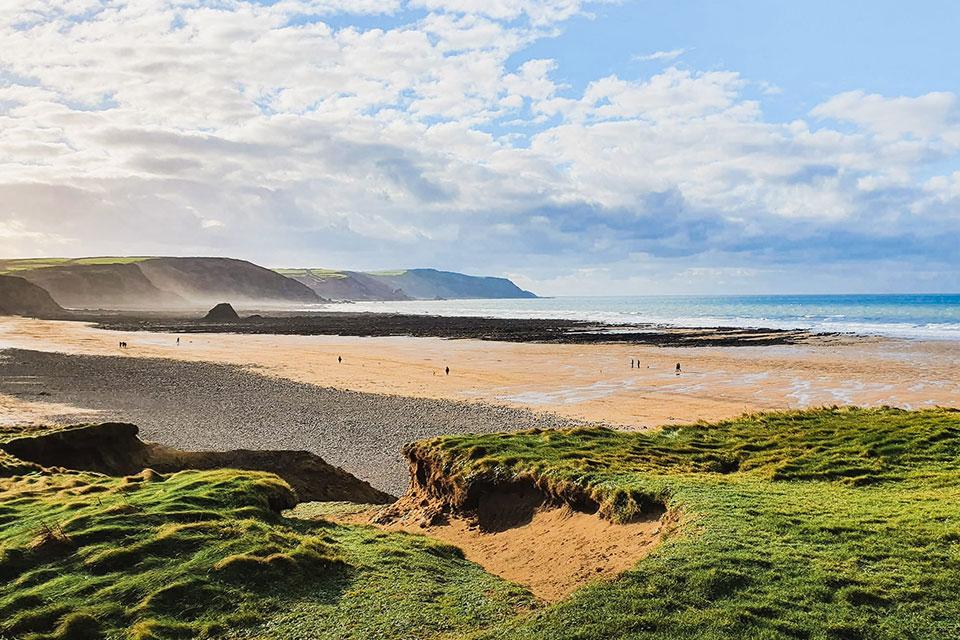 Black Rock BeachNorth Cornwall
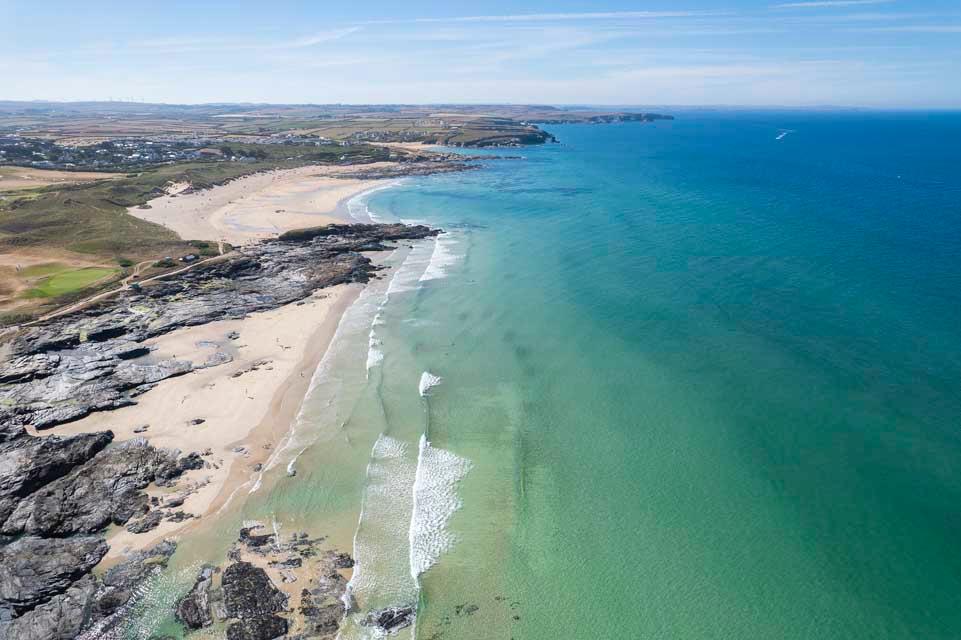 Boobys Bay BeachNorth Cornwall
- Breakwater BeachNorth Cornwall
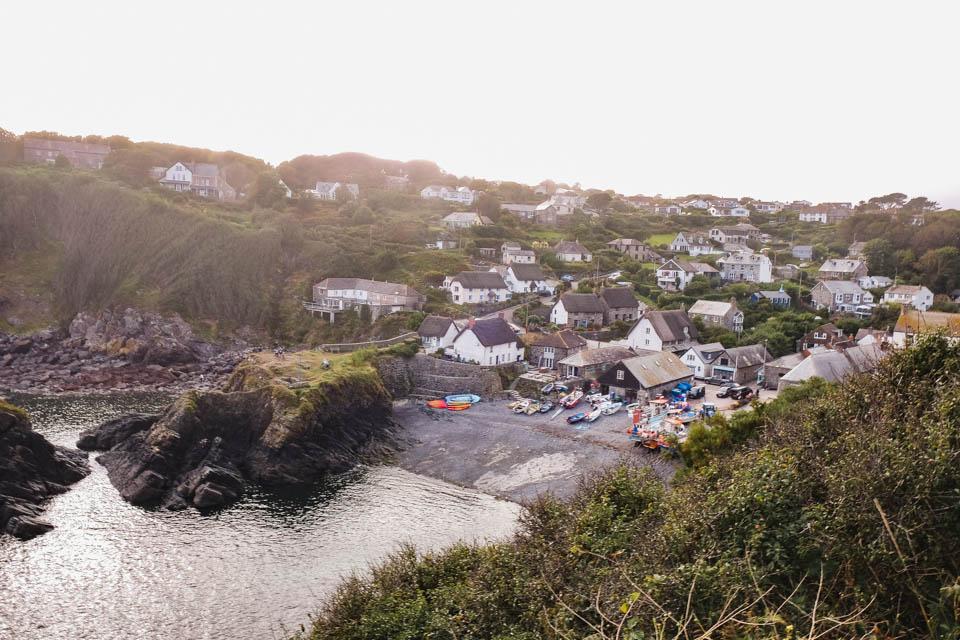 Cadgwith Cove BeachWest Cornwall
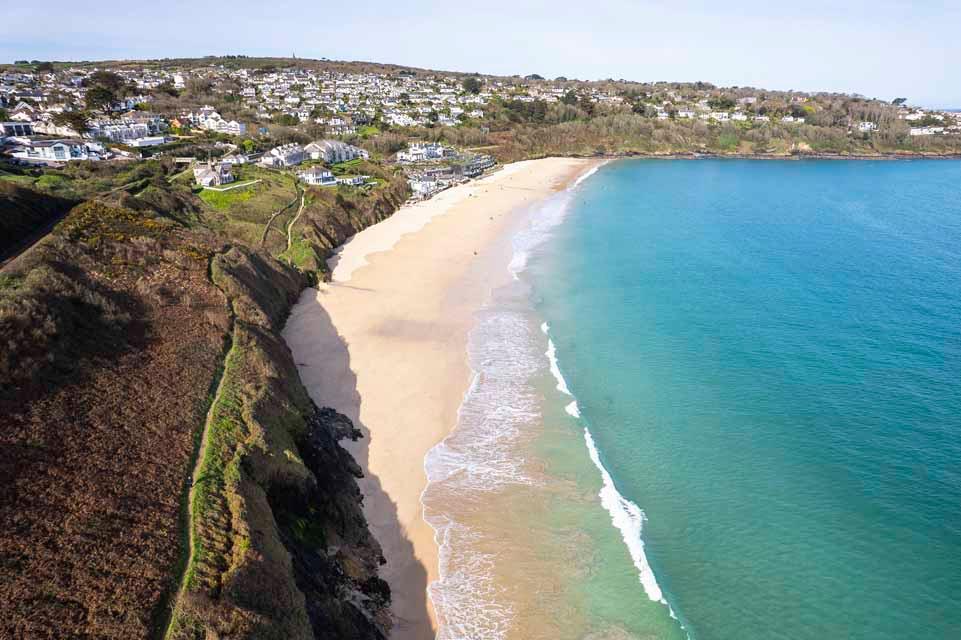 Carbis Bay BeachWest Cornwall
 Carlyon Bay BeachSouth East Cornwall
 Carne BeachCentral Cornwall
 Castle BeachCentral Cornwall
 Cawsand Bay BeachSouth East Cornwall
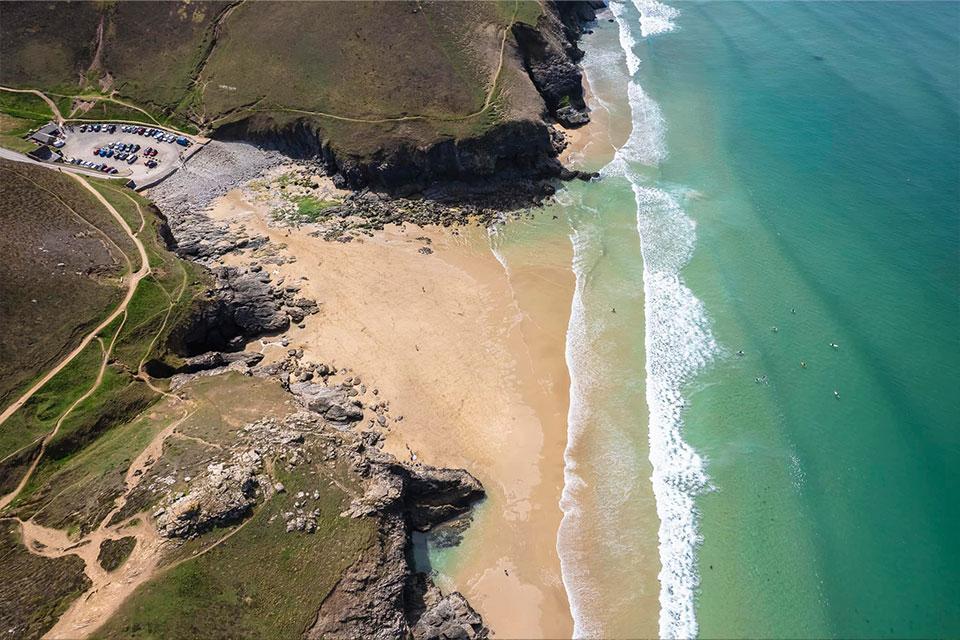 Chapel Porth BeachNorth Cornwall
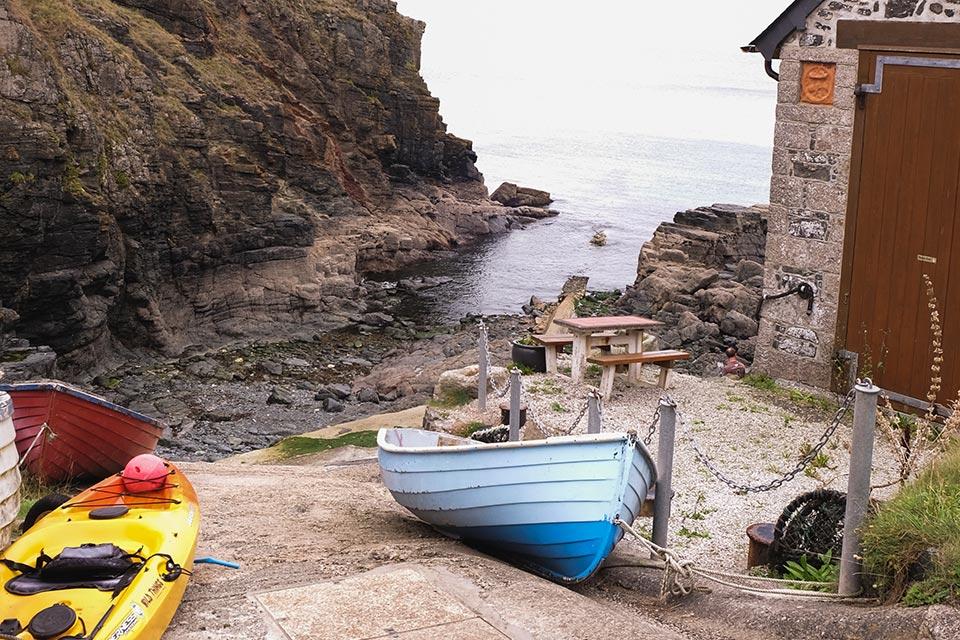 Church CoveWest Cornwall
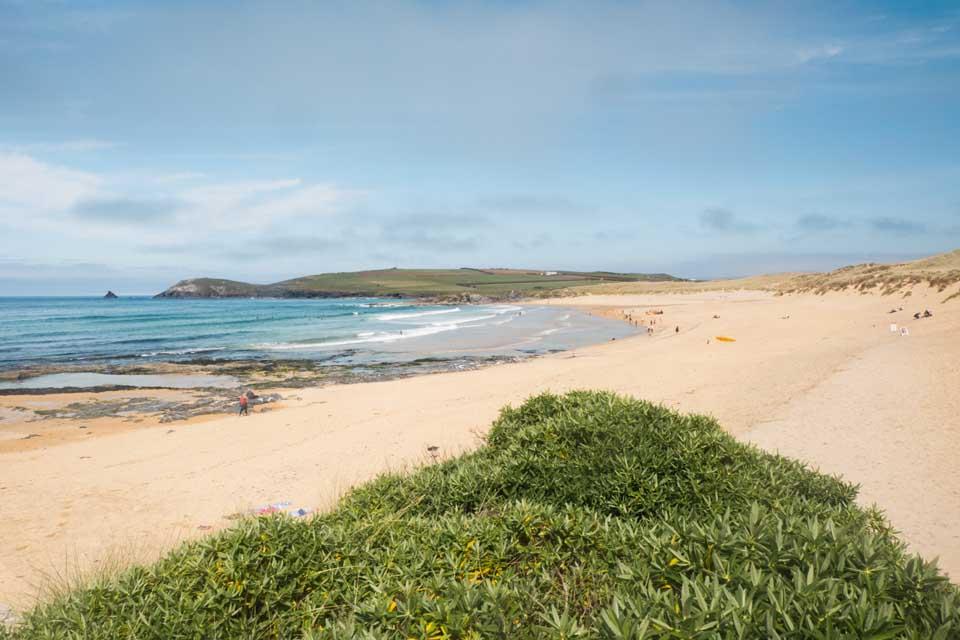 Constantine Bay BeachNorth Cornwall
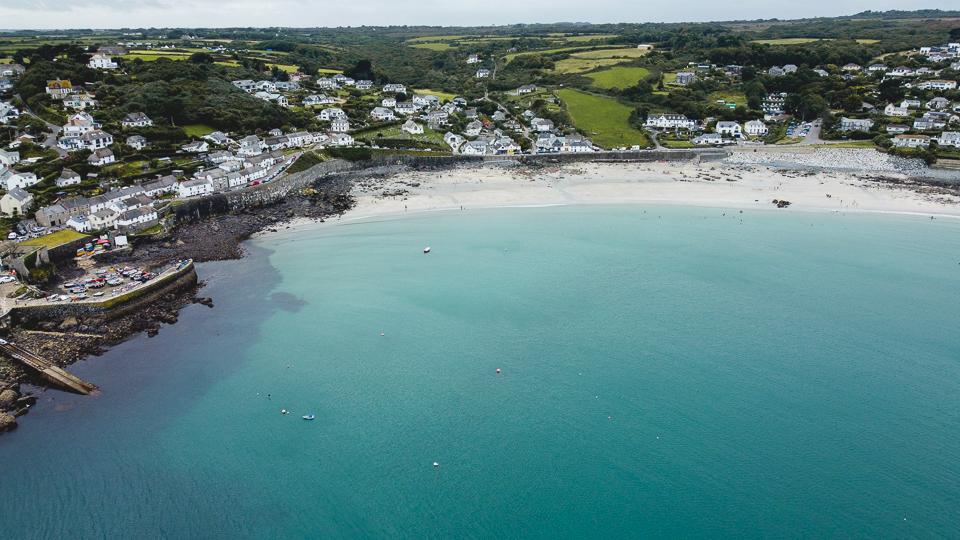 Coverack BeachWest Cornwall
 Crackington Haven BeachNorth Cornwall
 Crooklets BeachNorth Cornwall
 Daymer Bay BeachNorth Cornwall
 Downderry BeachSouth East Cornwall
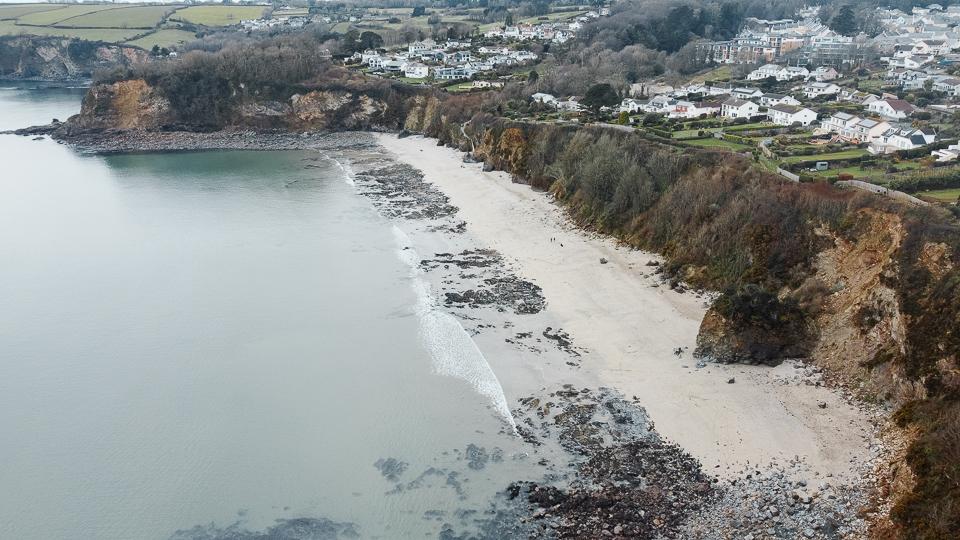 Duporth BeachSouth East Cornwall
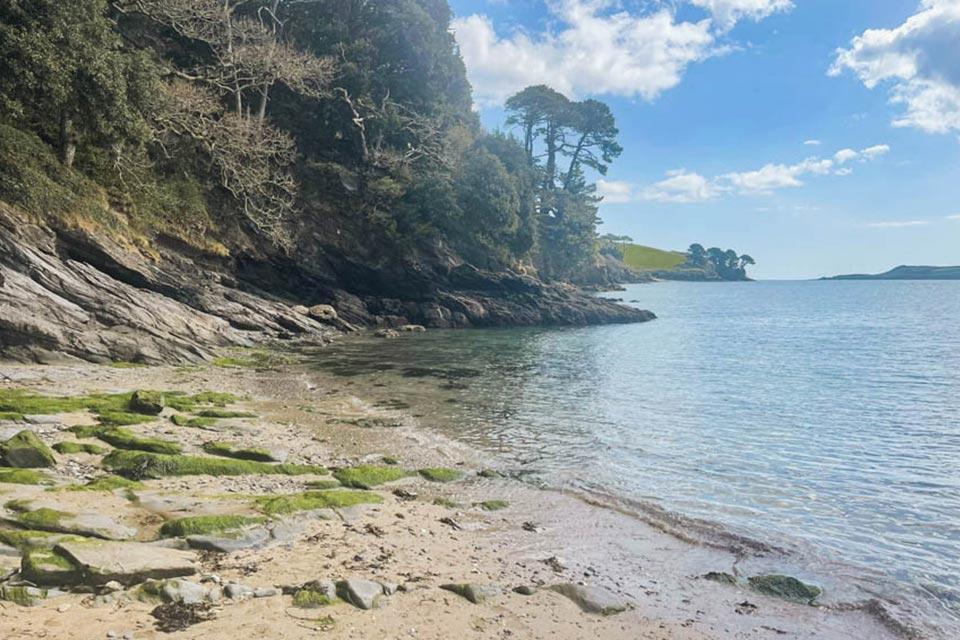 Durgan BeachCentral Cornwall
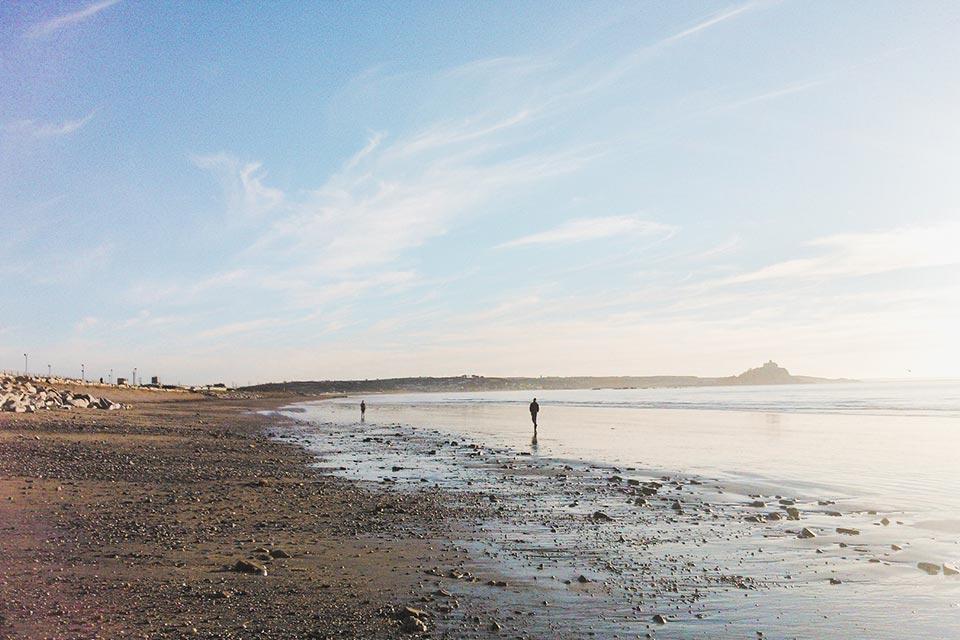 Eastern Green BeachWest Cornwall
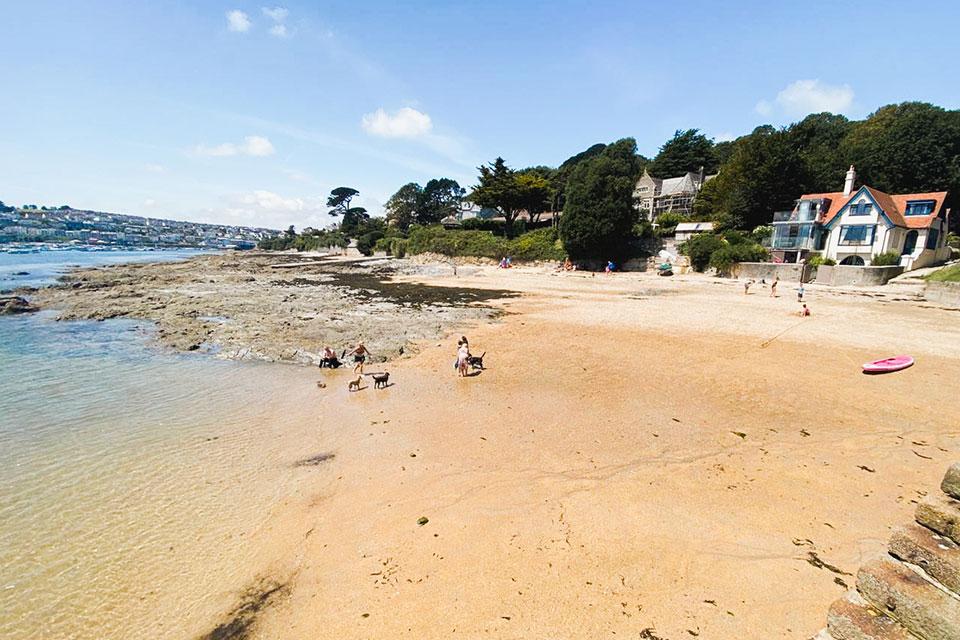 Flushing BeachCentral Cornwall
 Freathy BeachSouth East Cornwall
 Godrevy CoveWest Cornwall
 Gorran Haven BeachSouth East Cornwall
 Great Molunan & Little Molunan BeachCentral Cornwall
- Great Perhaver BeachSouth East Cornwall
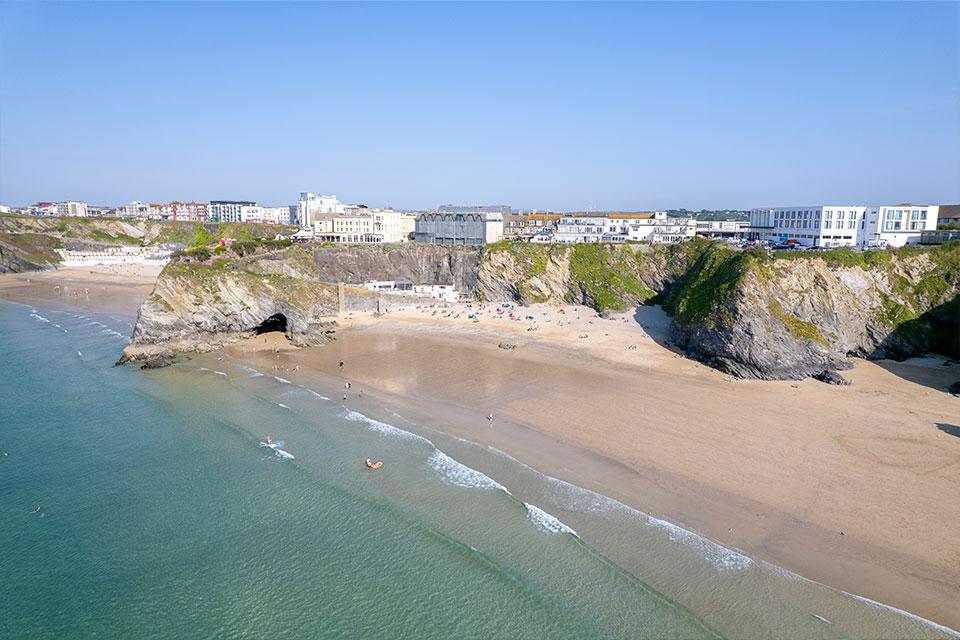 Great Western BeachNorth Cornwall
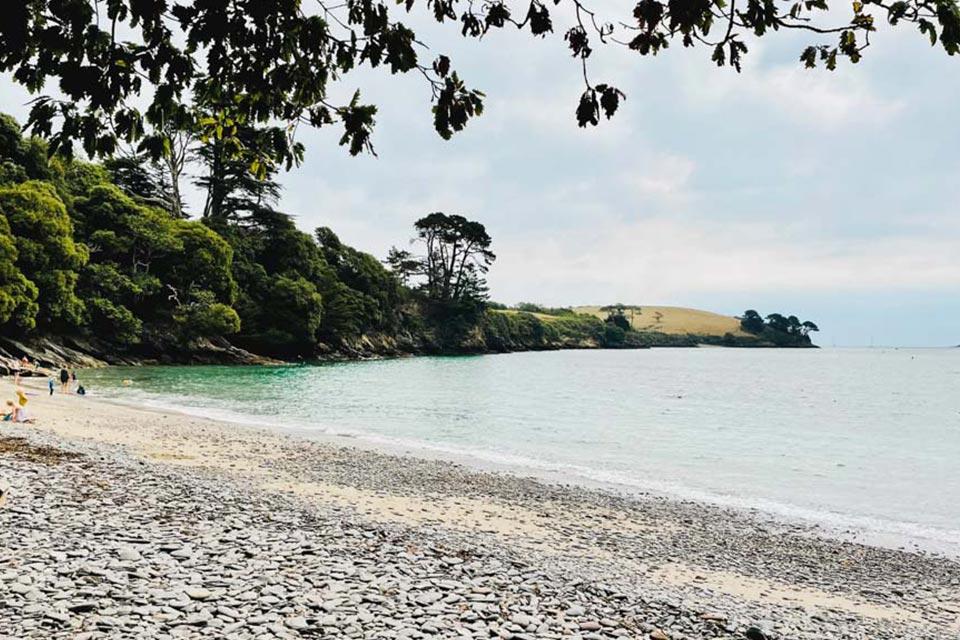 Grebe BeachCentral Cornwall
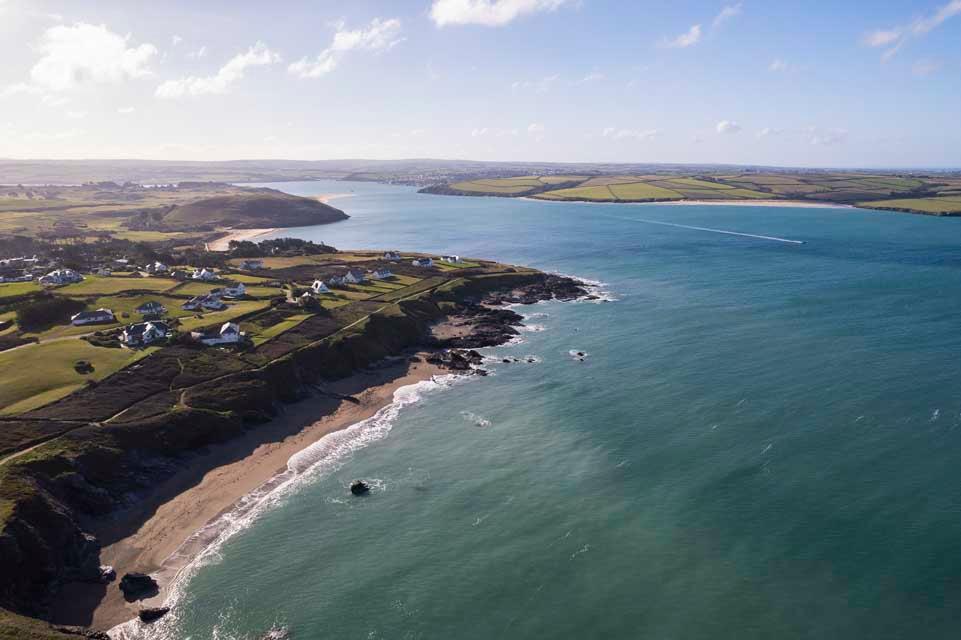 Greenaway BeachNorth Cornwall
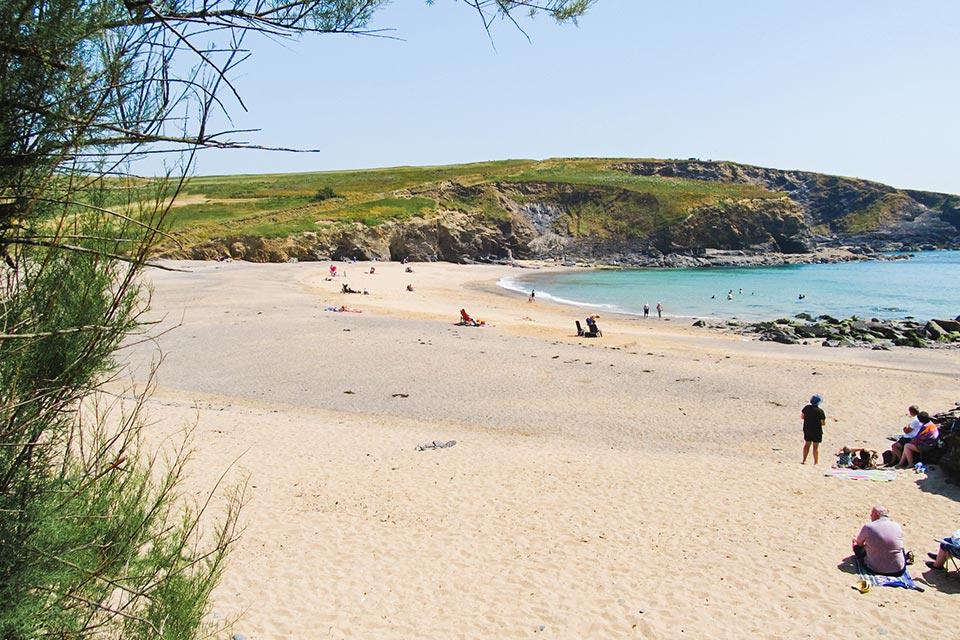 Gunwalloe Church Cove BeachWest Cornwall
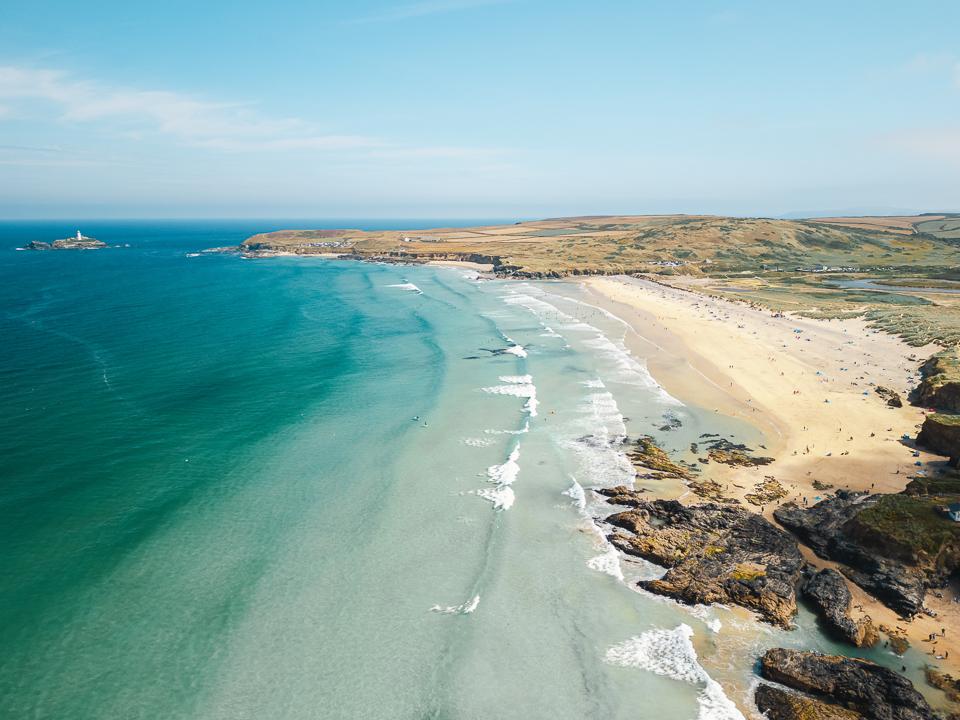 Gwithian BeachWest Cornwall
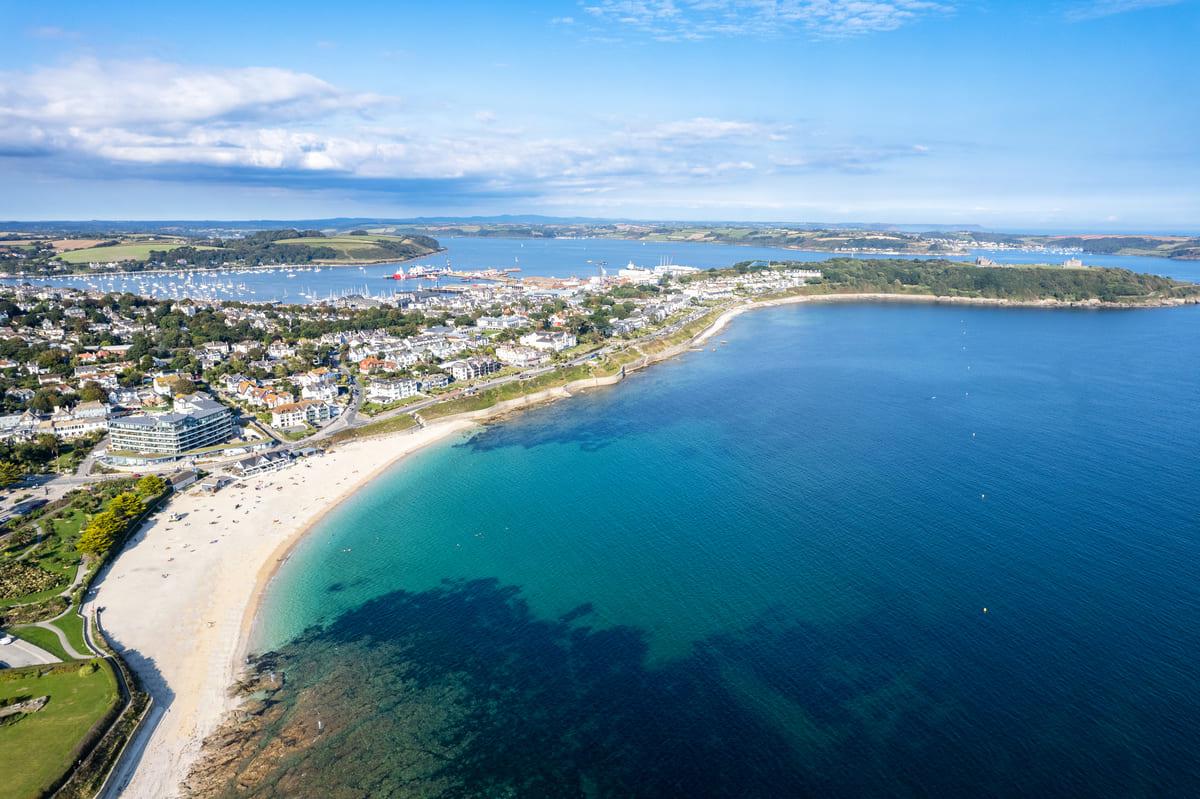 Gyllyngvase BeachCentral Cornwall
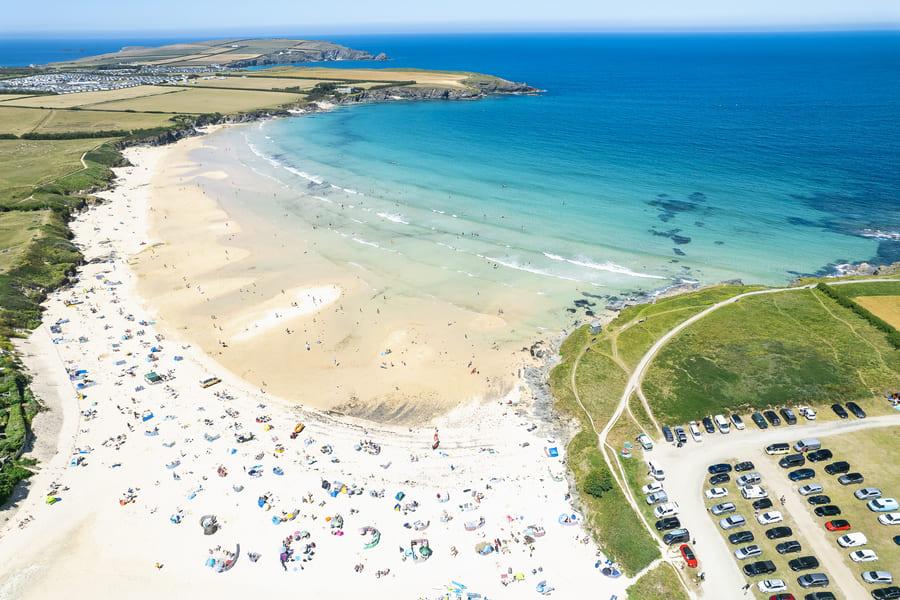 Harlyn Bay BeachNorth Cornwall
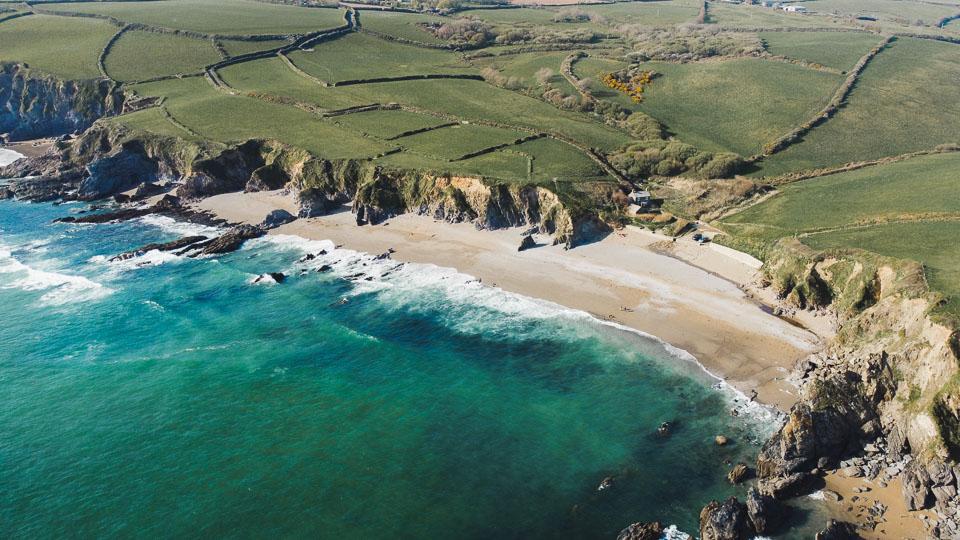 Hemmick BeachSouth East Cornwall
 Hendra BeachWest Cornwall
 Housel Bay BeachWest Cornwall
 Kennack Sands BeachWest Cornwall
 Kenneggy Sands BeachWest Cornwall
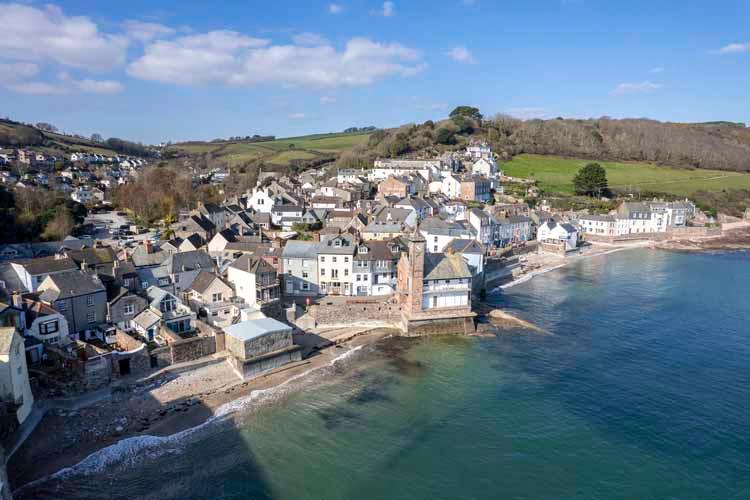 Kingsand BeachSouth East Cornwall
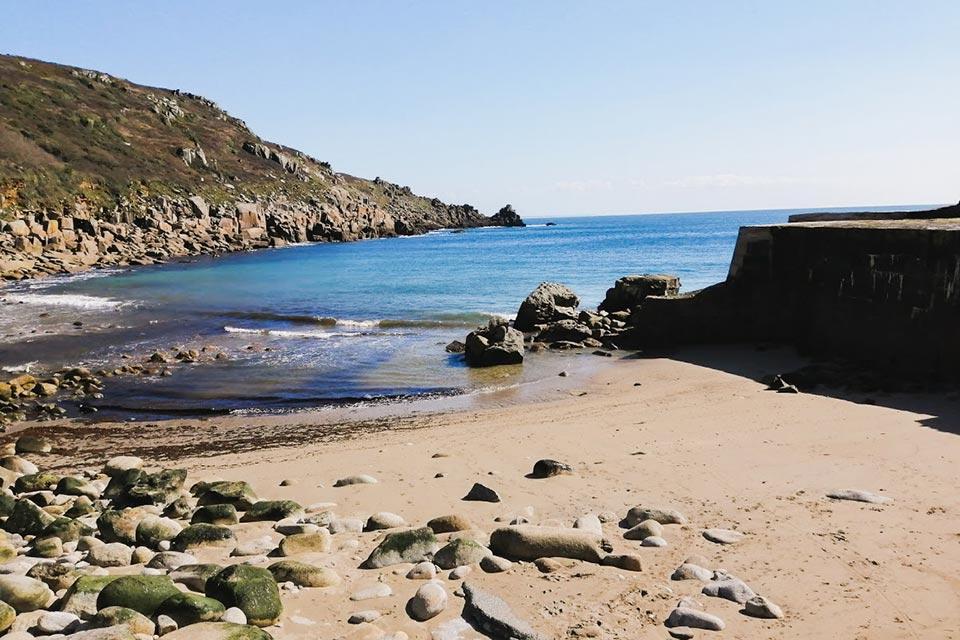 Lamorna Cove BeachWest Cornwall
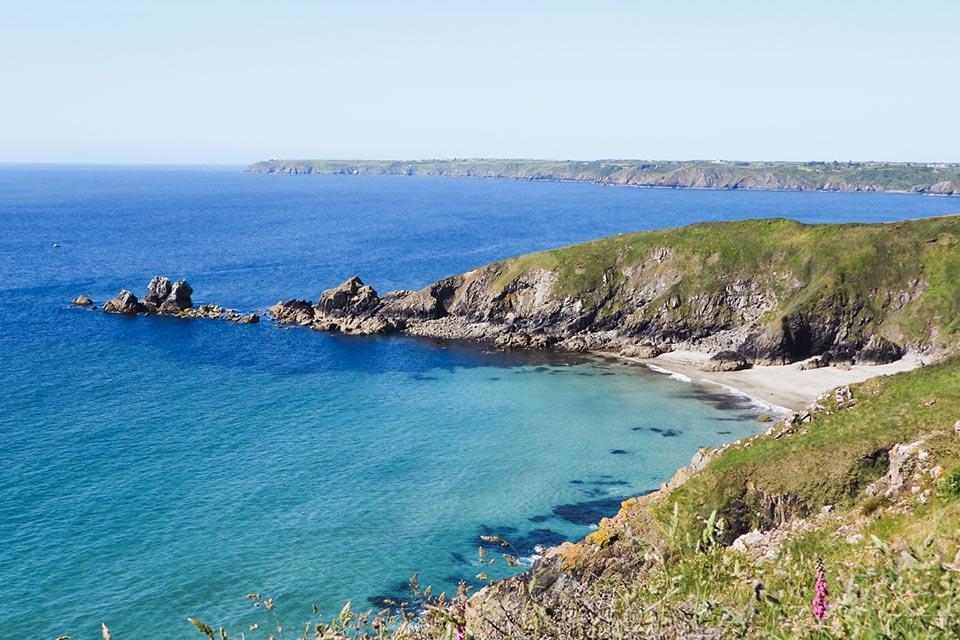 Lankidden CoveWest Cornwall
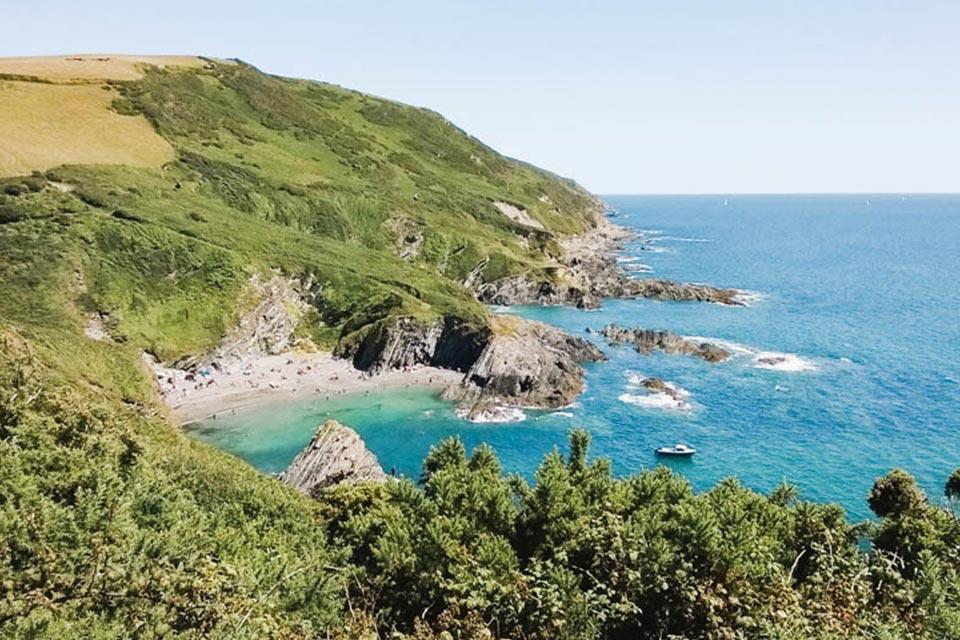 Lansallos BeachSouth East Cornwall
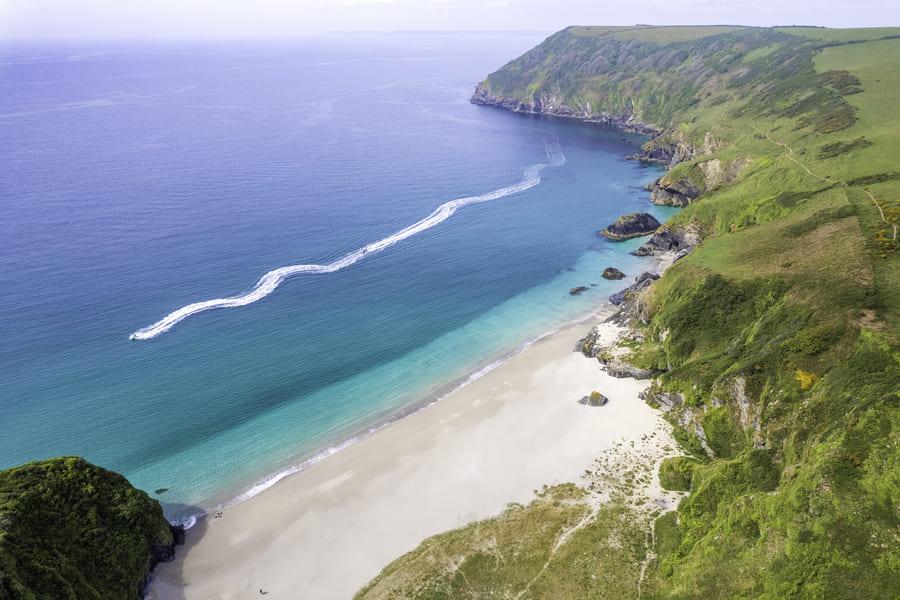 Lantic Bay BeachSouth East Cornwall
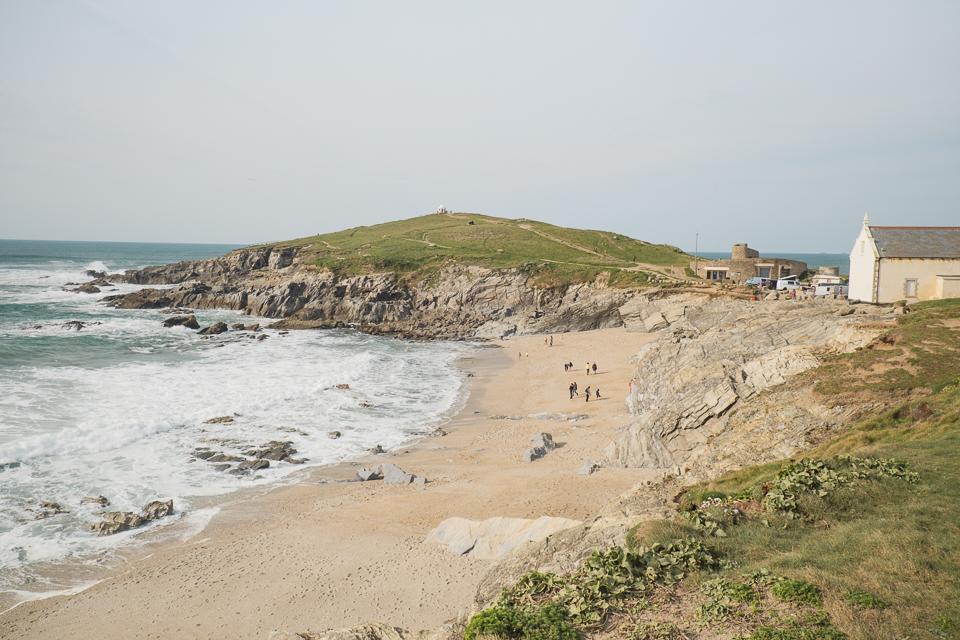 Little Fistral BeachNorth Cornwall
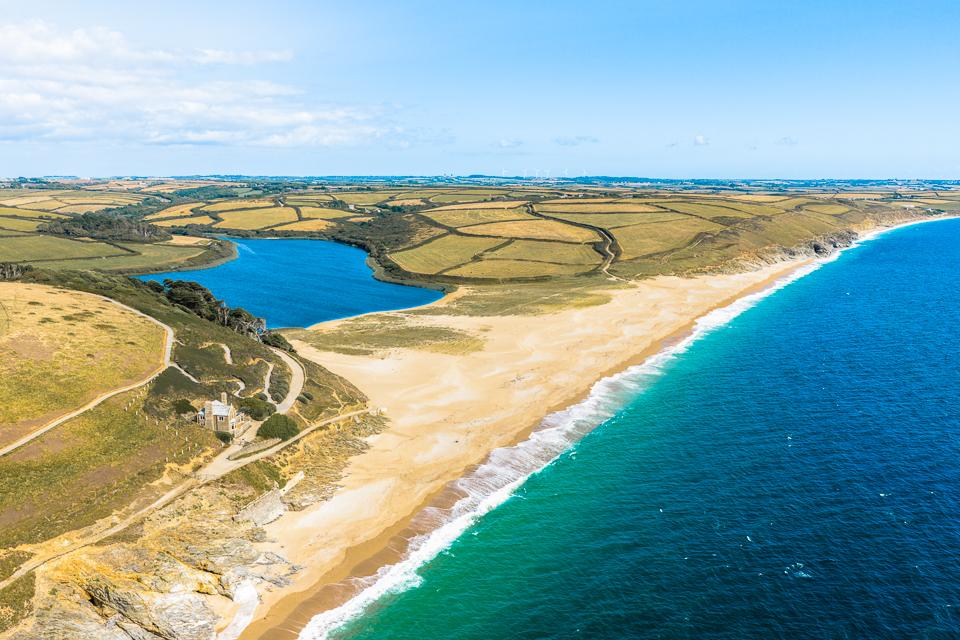 Loe Bar BeachWest Cornwall
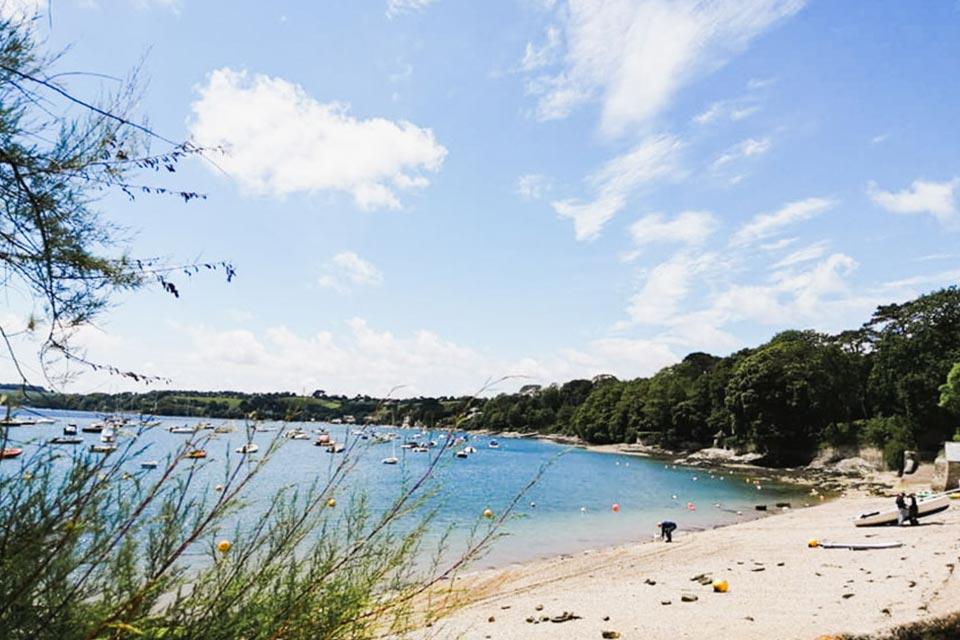 Loe BeachCentral Cornwall
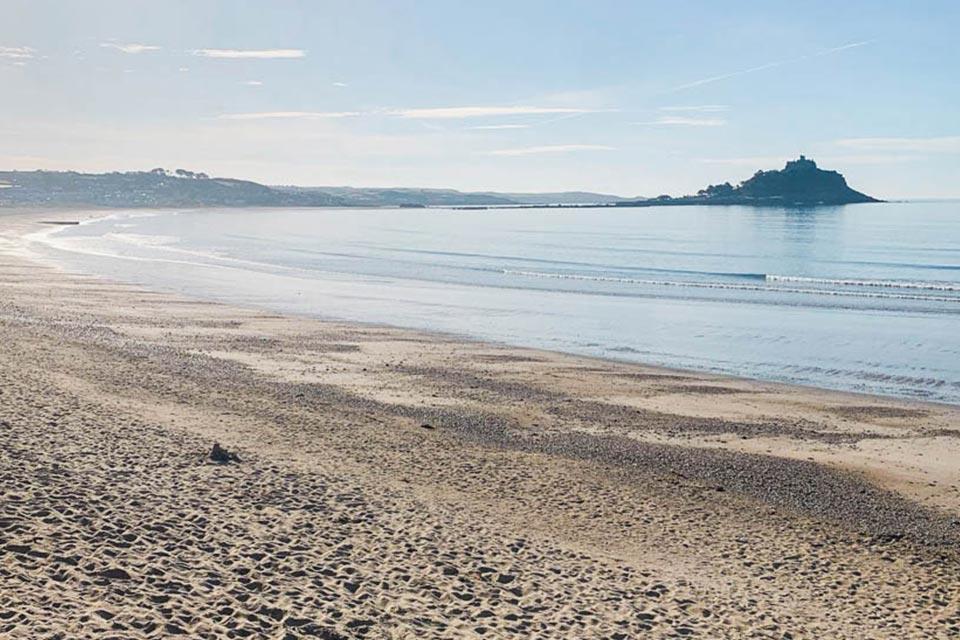 Longrock BeachWest Cornwall
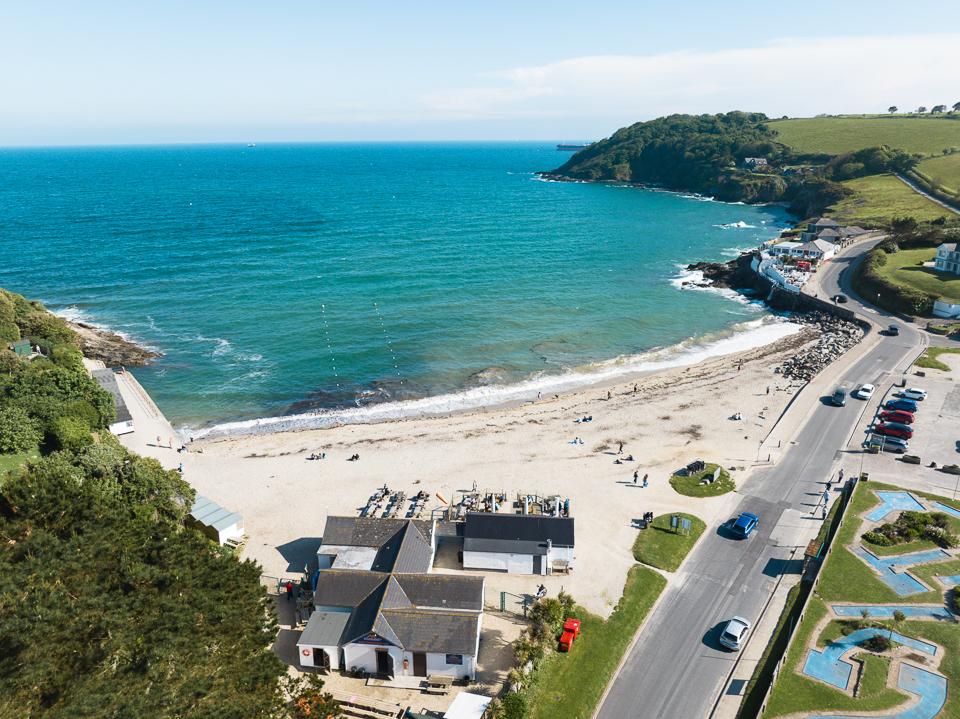 Maenporth BeachCentral Cornwall
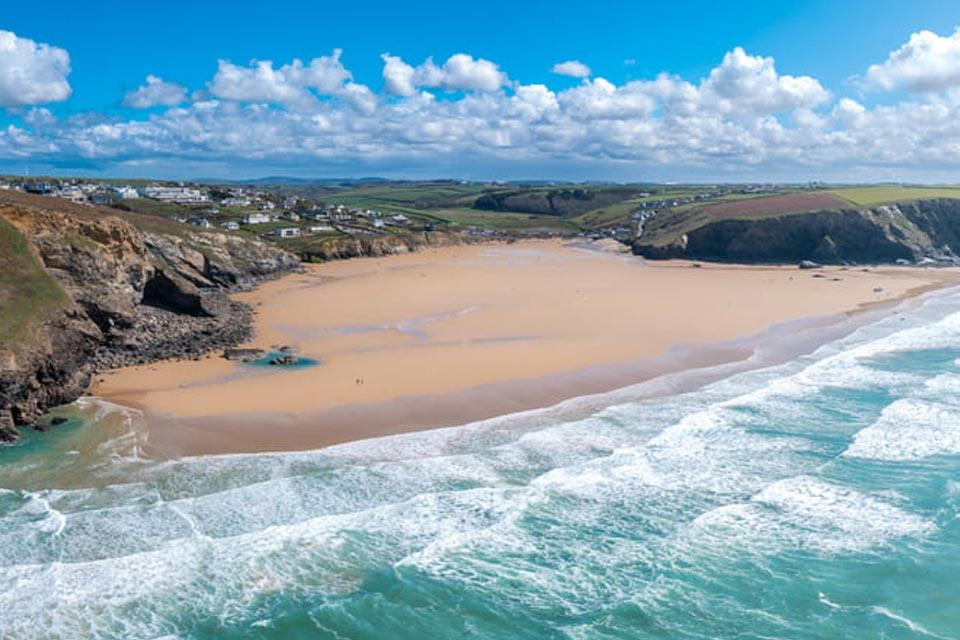 Mawgan Porth BeachNorth Cornwall
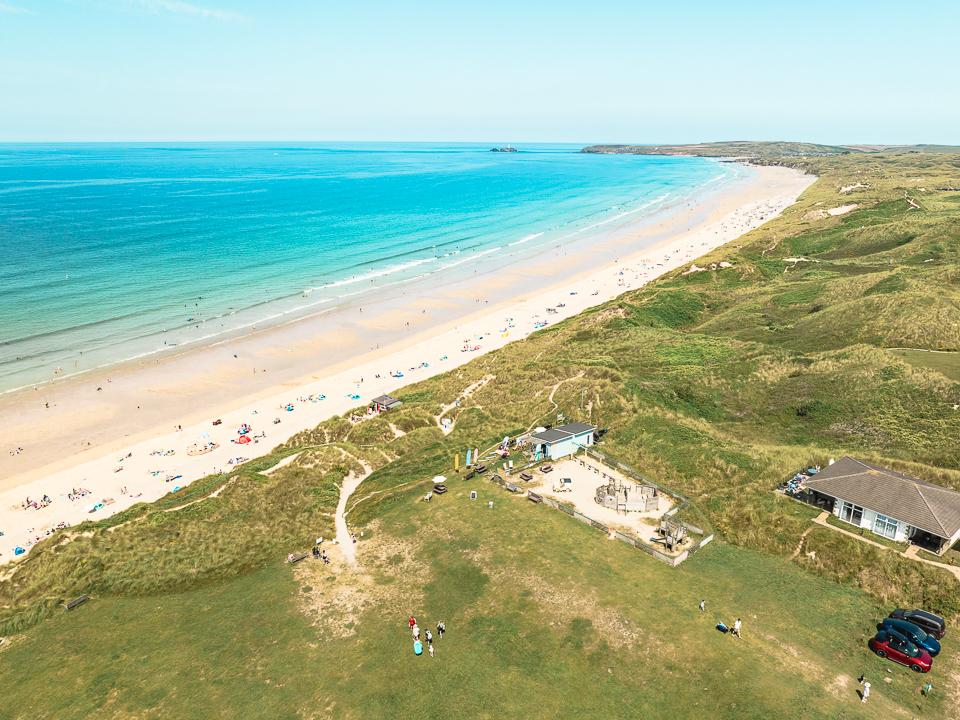 Mexico Towans BeachWest Cornwall
 Millendreath BeachSouth East Cornwall
 Millook Haven BeachNorth Cornwall
 Nanjizal BeachWest Cornwall
 Newlyn Tolcarne BeachWest Cornwall
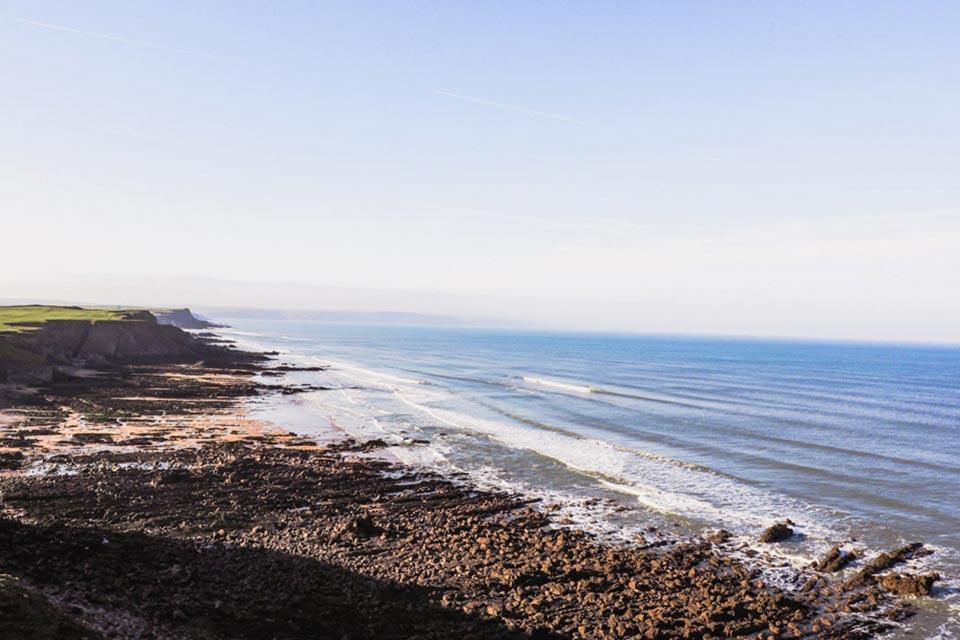 Northcott Mouth BeachNorth Cornwall
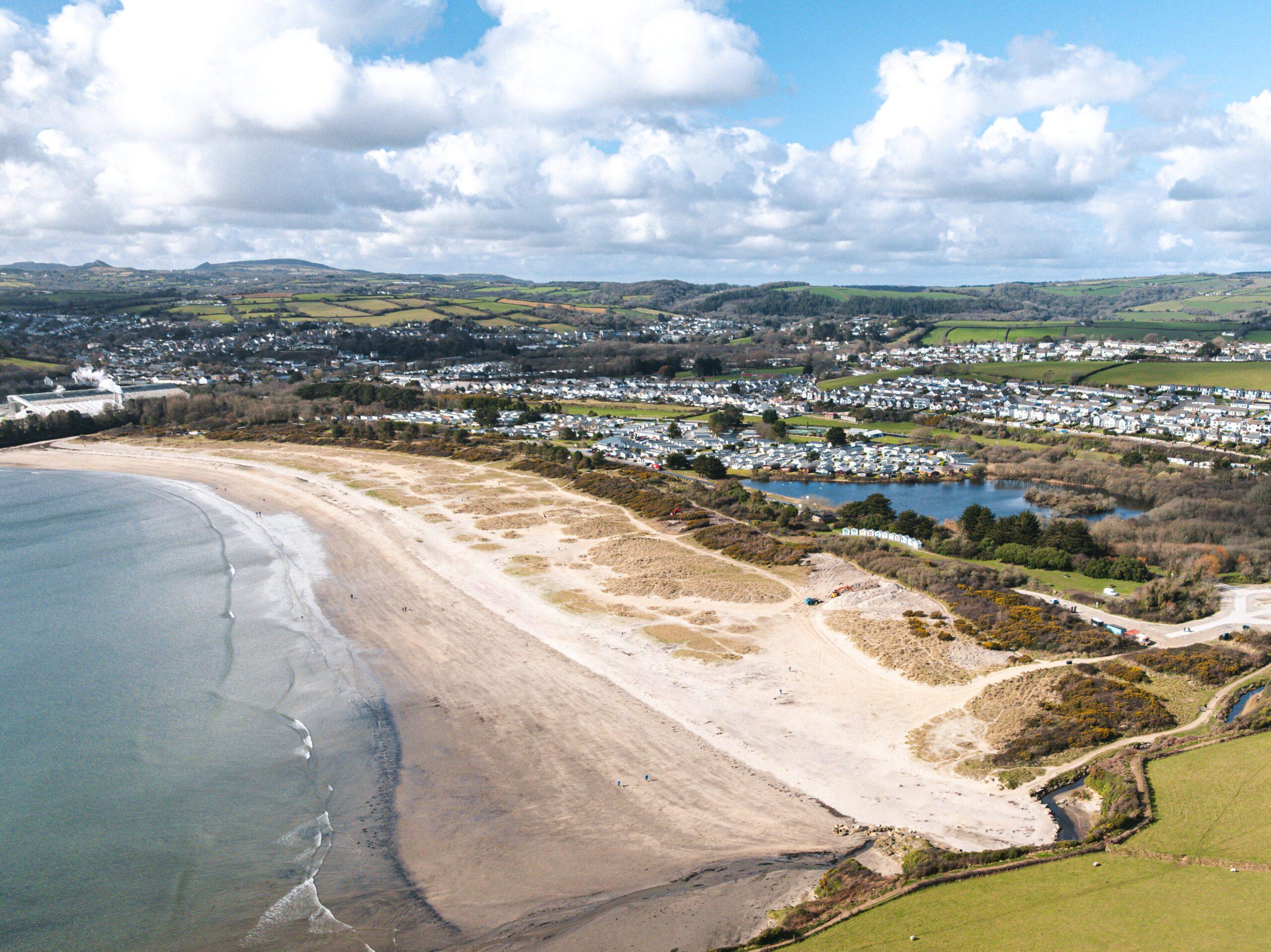 Par Sands BeachSouth East Cornwall
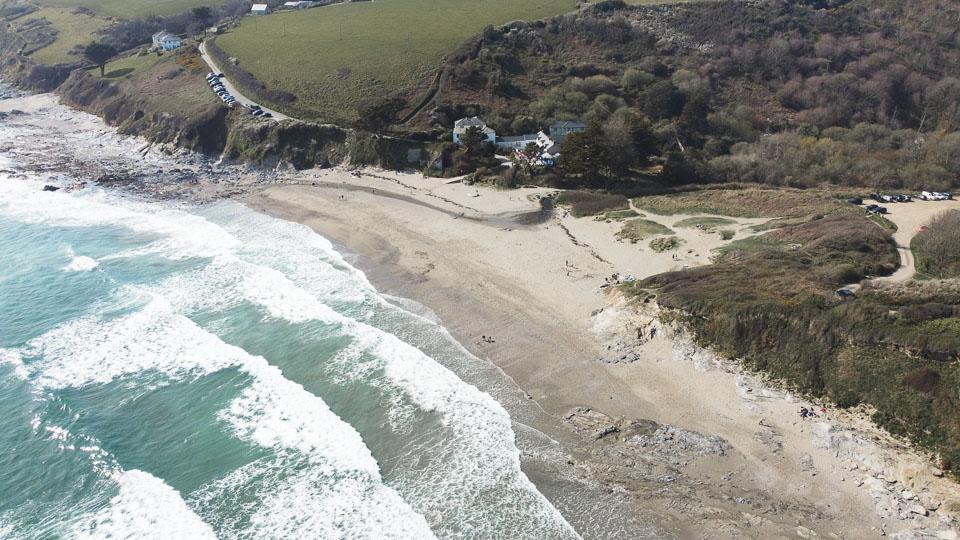 Pendower BeachCentral Cornwall
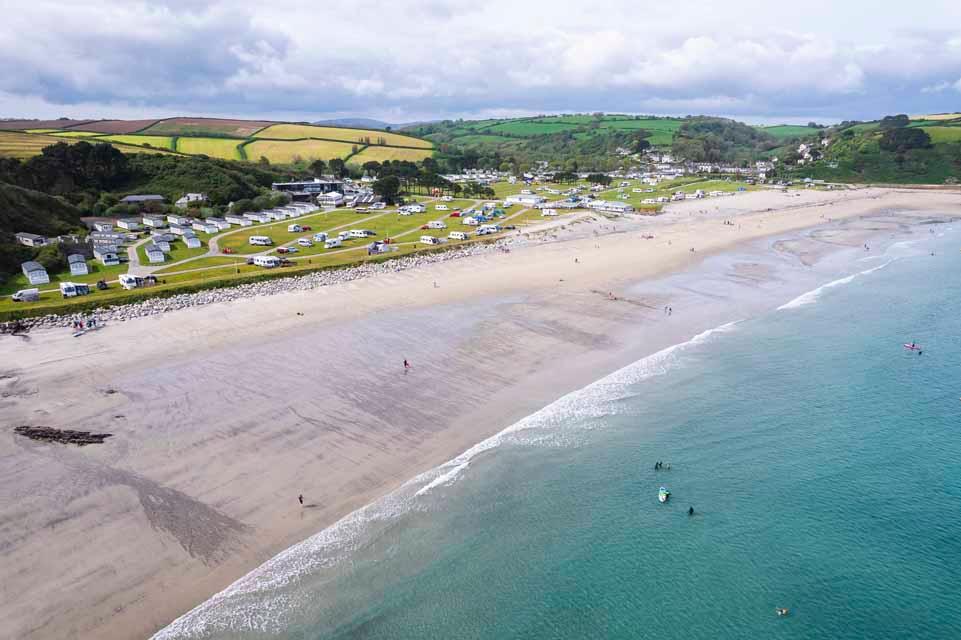 Pentewan BeachSouth East Cornwall
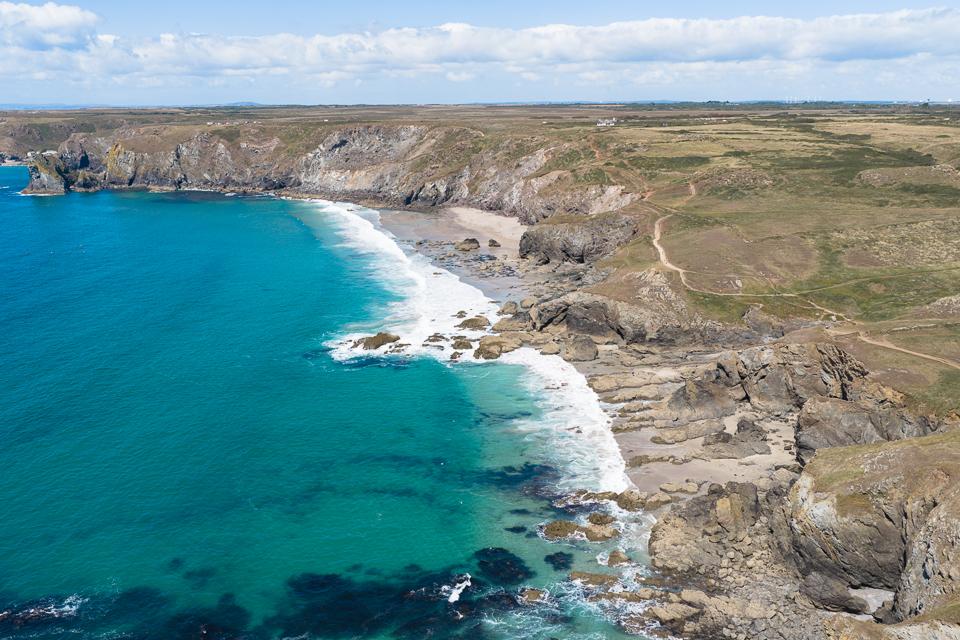 Pentreath BeachWest Cornwall
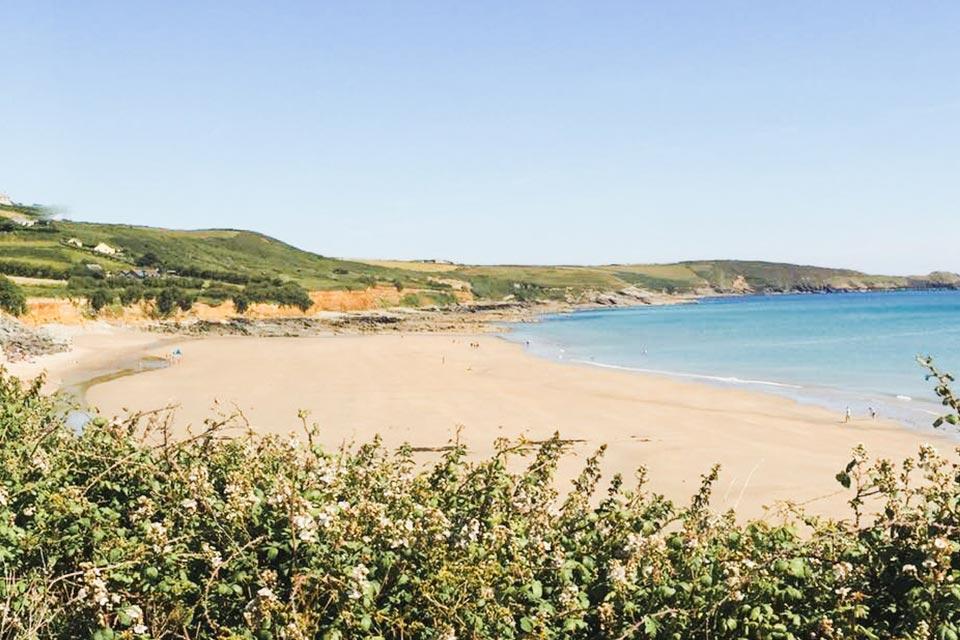 Perranuthnoe BeachWest Cornwall
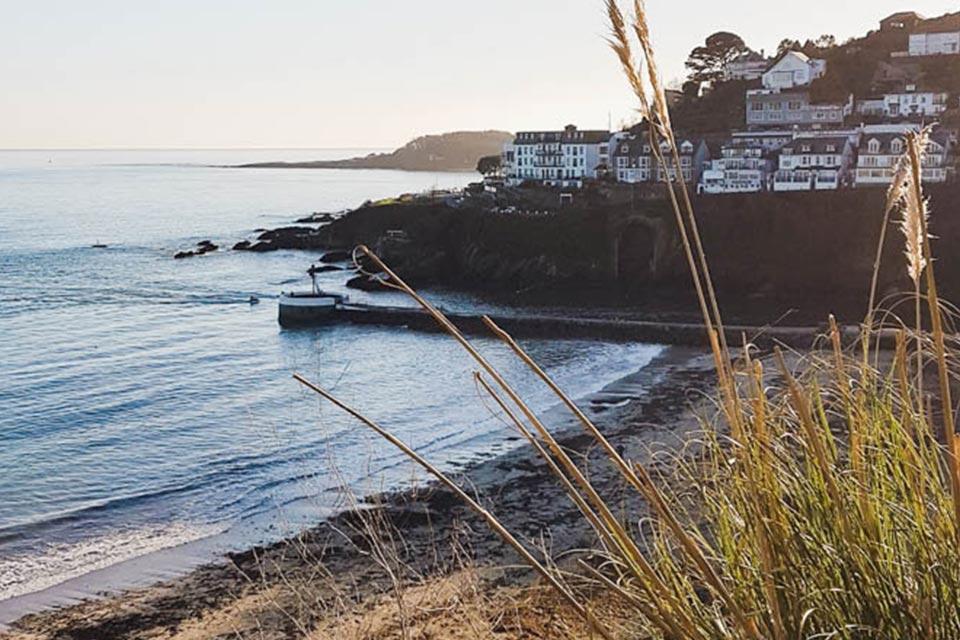 Plaidy BeachSouth East Cornwall
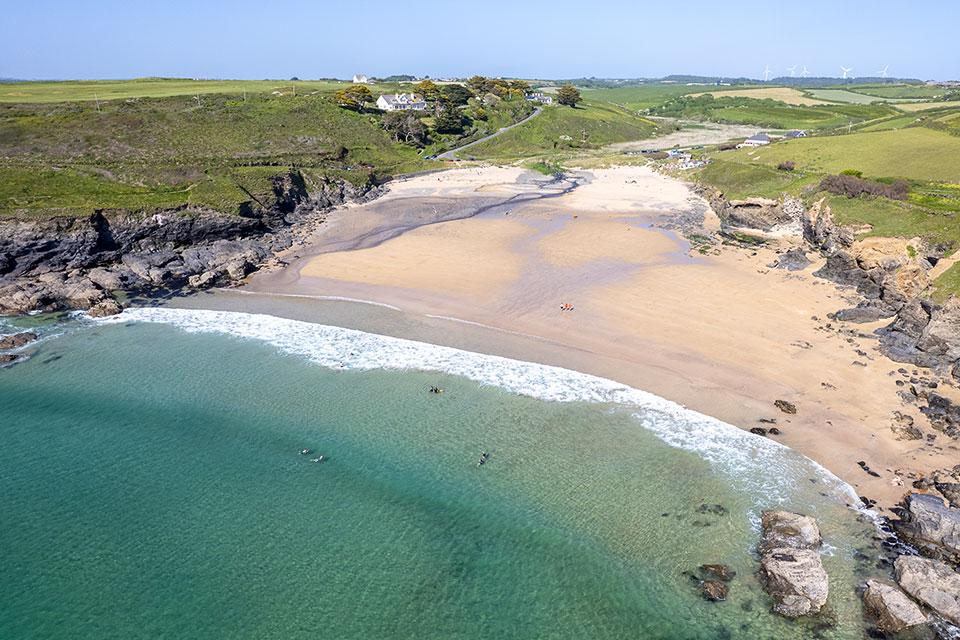 Poldhu Cove BeachWest Cornwall
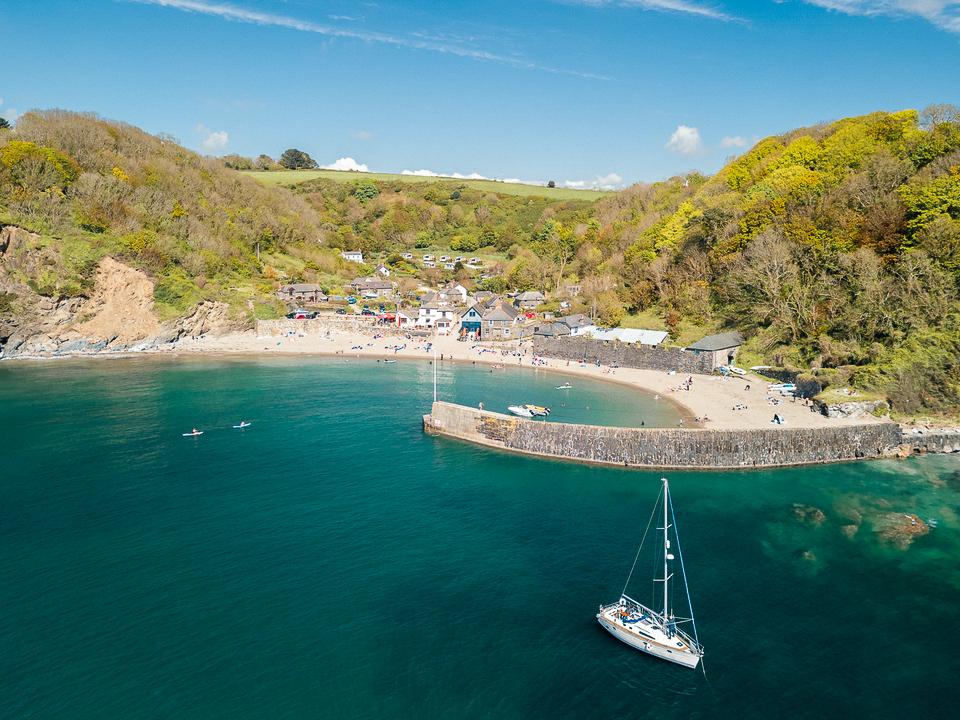 Polkerris BeachSouth East Cornwall
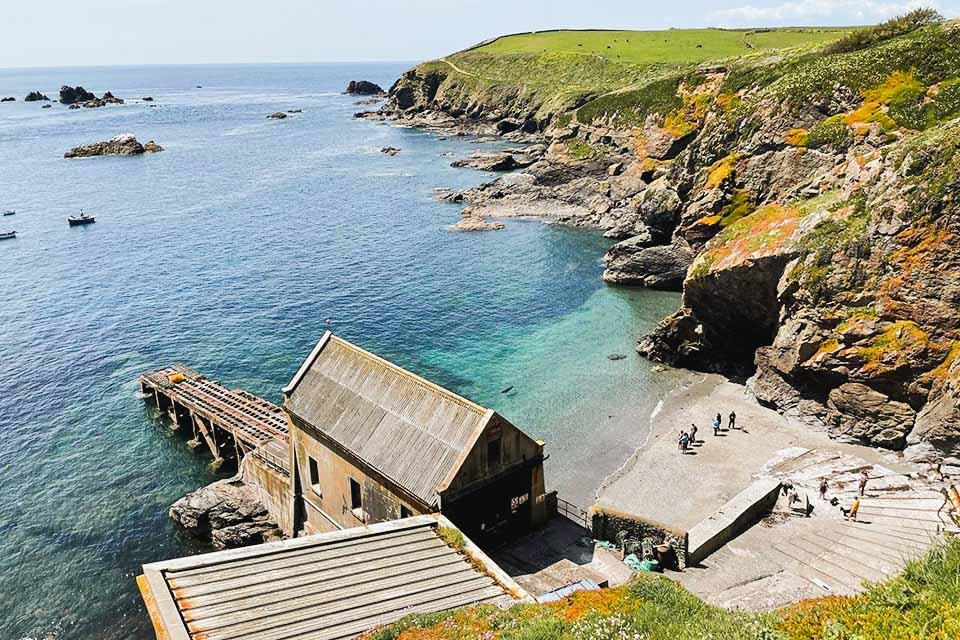 Polpeor CoveWest Cornwall
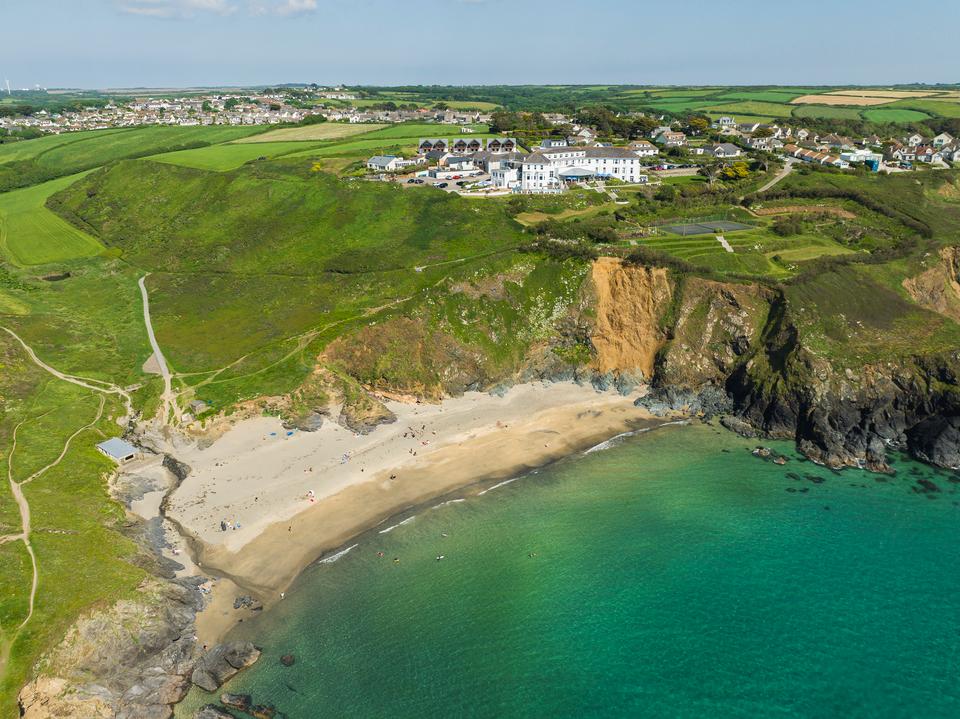 Polurrian BeachWest Cornwall
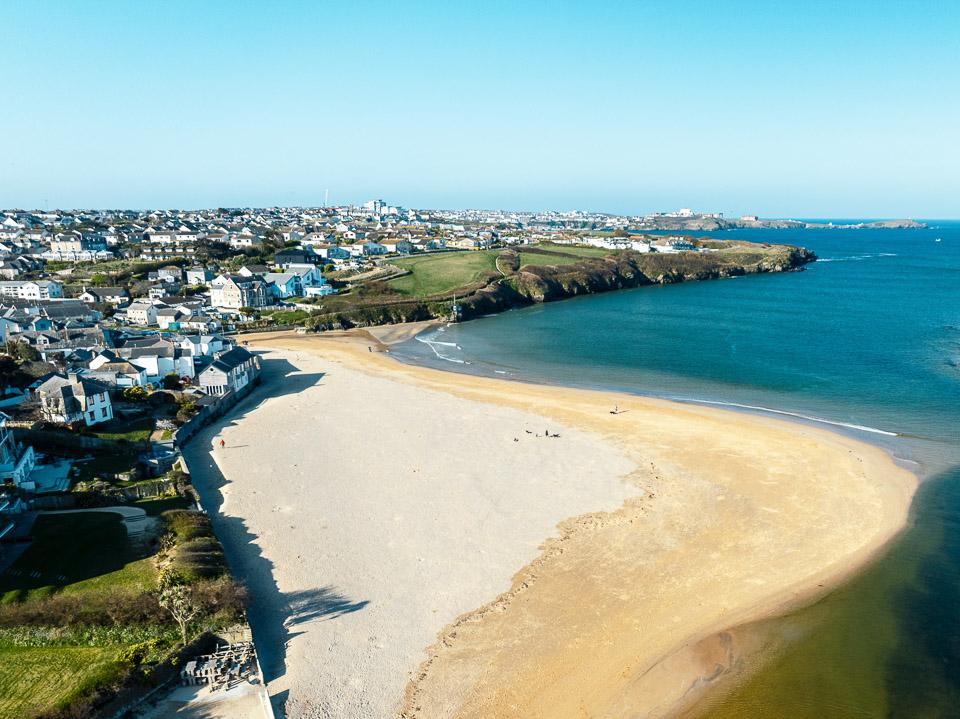 Porth BeachNorth Cornwall
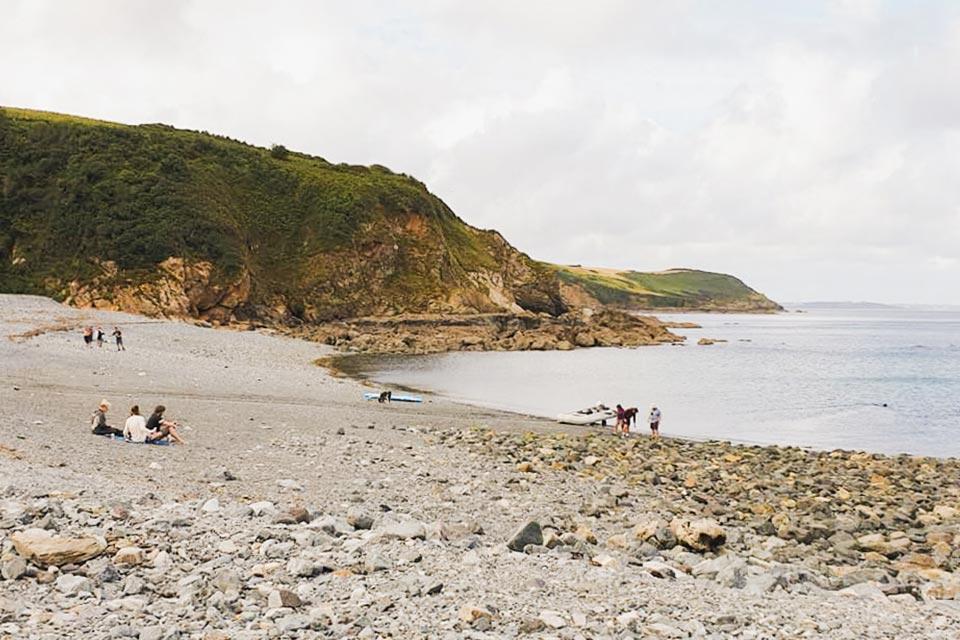 Porthallow BeachWest Cornwall
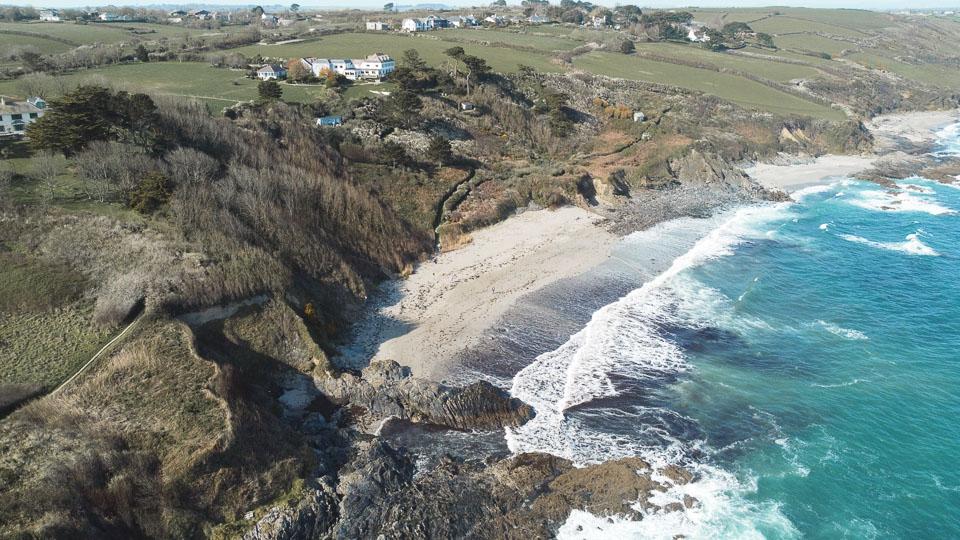 Porthbean BeachCentral Cornwall
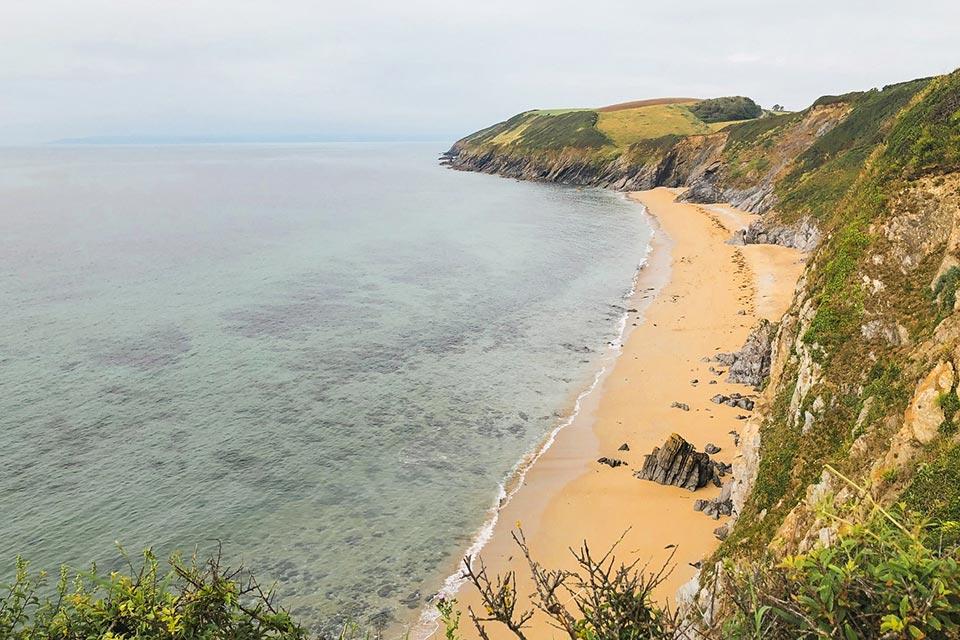 Porthbeor BeachCentral Cornwall
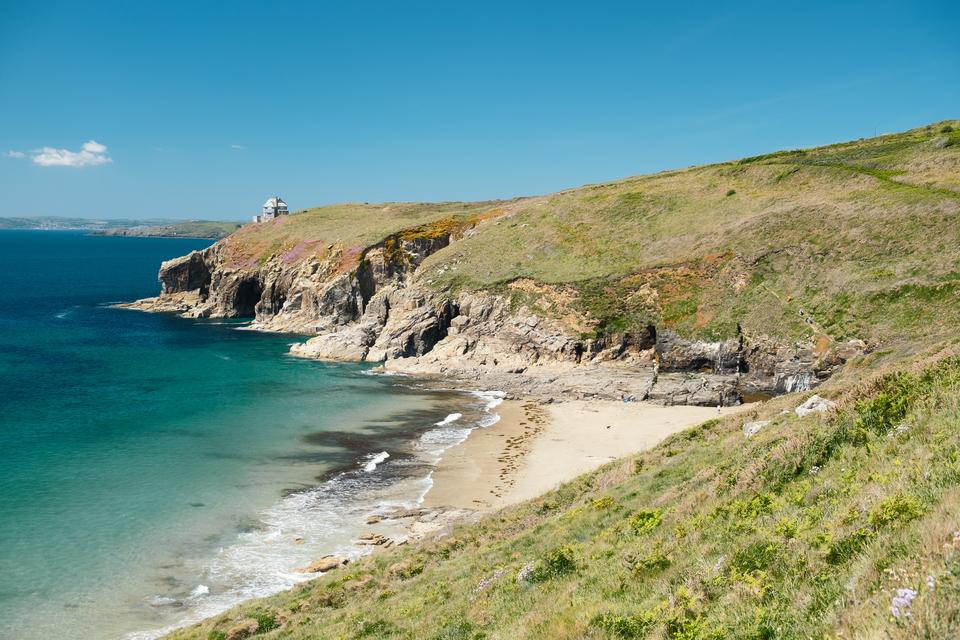 Porthcew (Rinsey Cove)West Cornwall
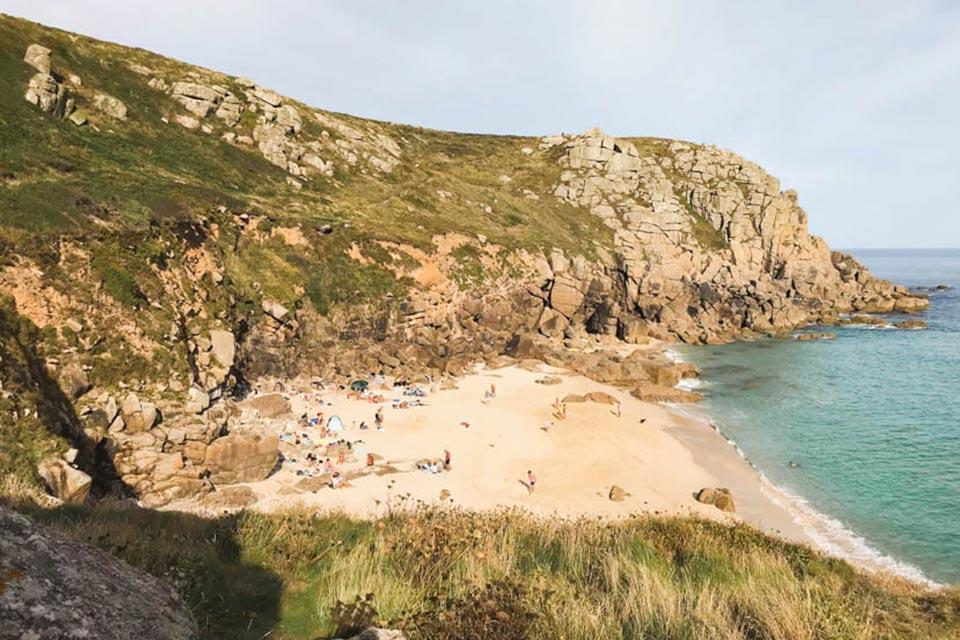 Porthchapel BeachWest Cornwall
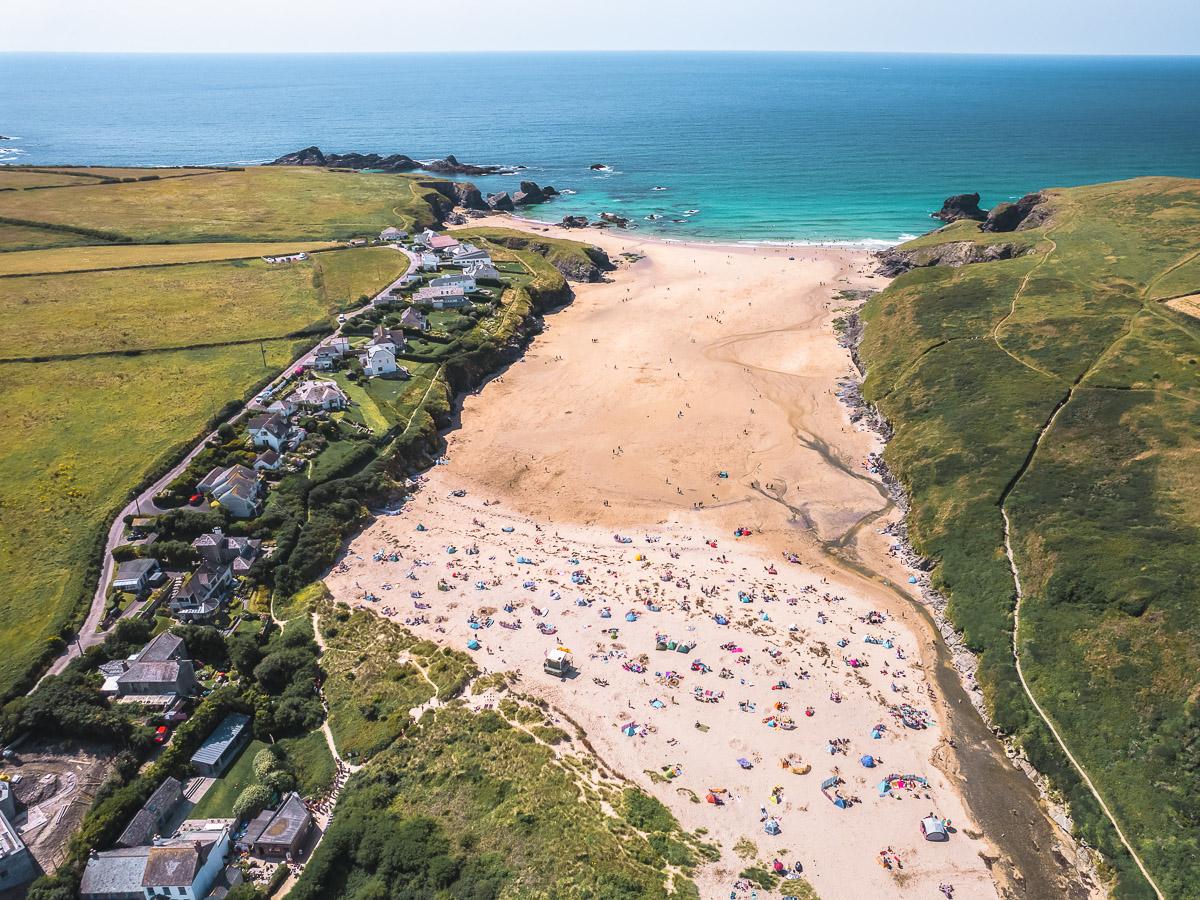 Porthcothan BeachNorth Cornwall
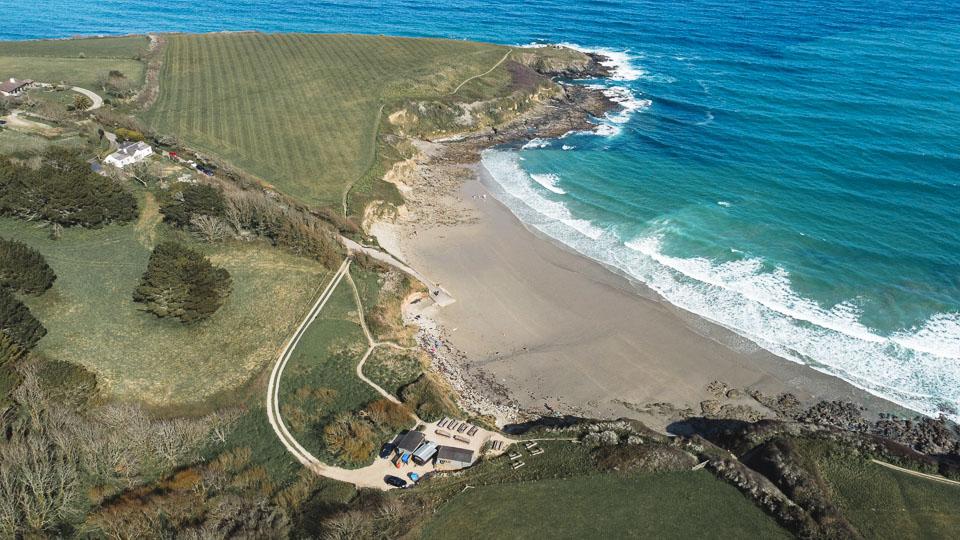 Porthcurnick BeachCentral Cornwall
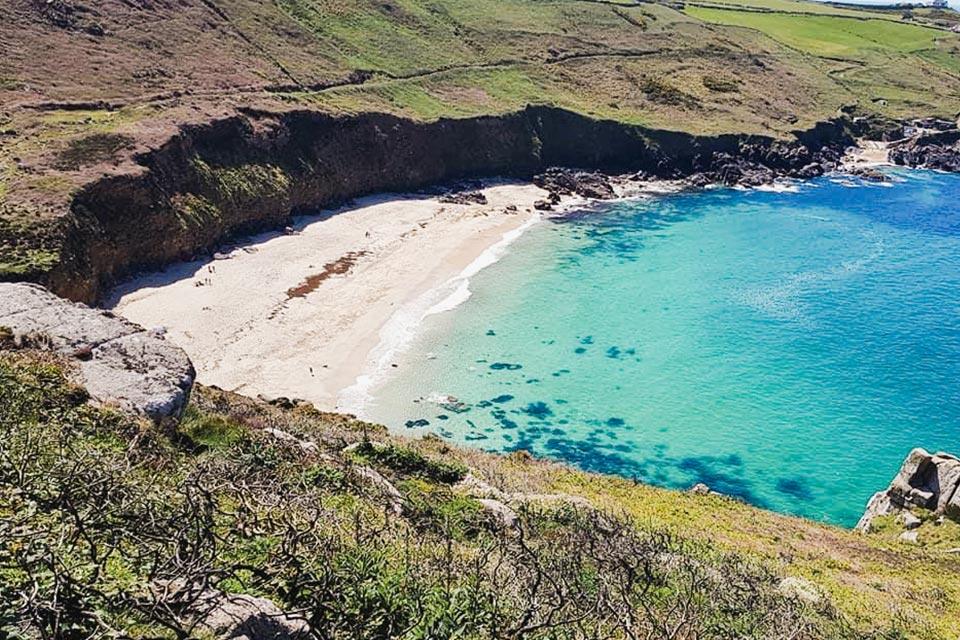 Portheras Cove BeachWest Cornwall
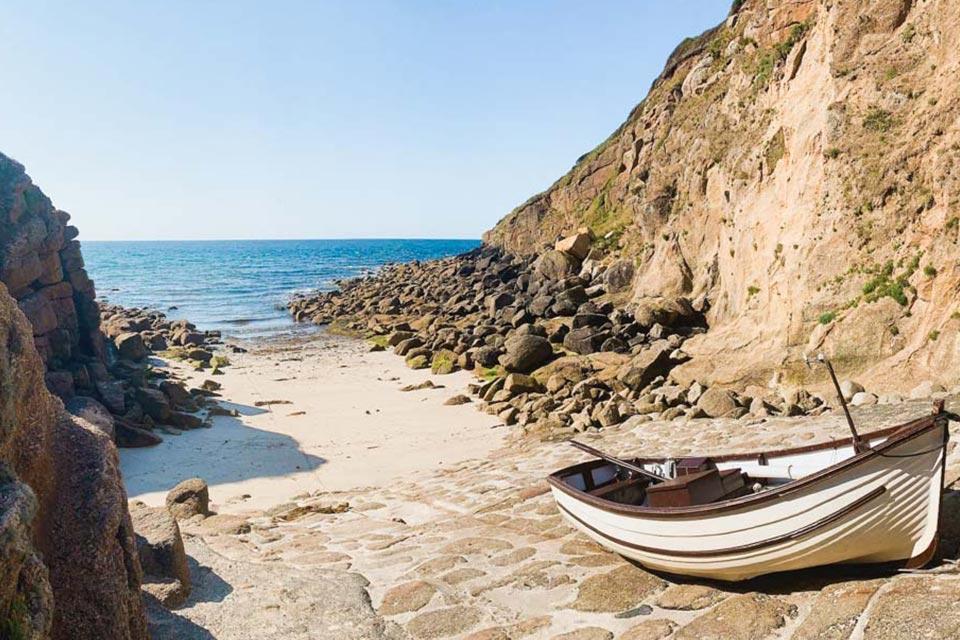 Porthgwarra BeachWest Cornwall
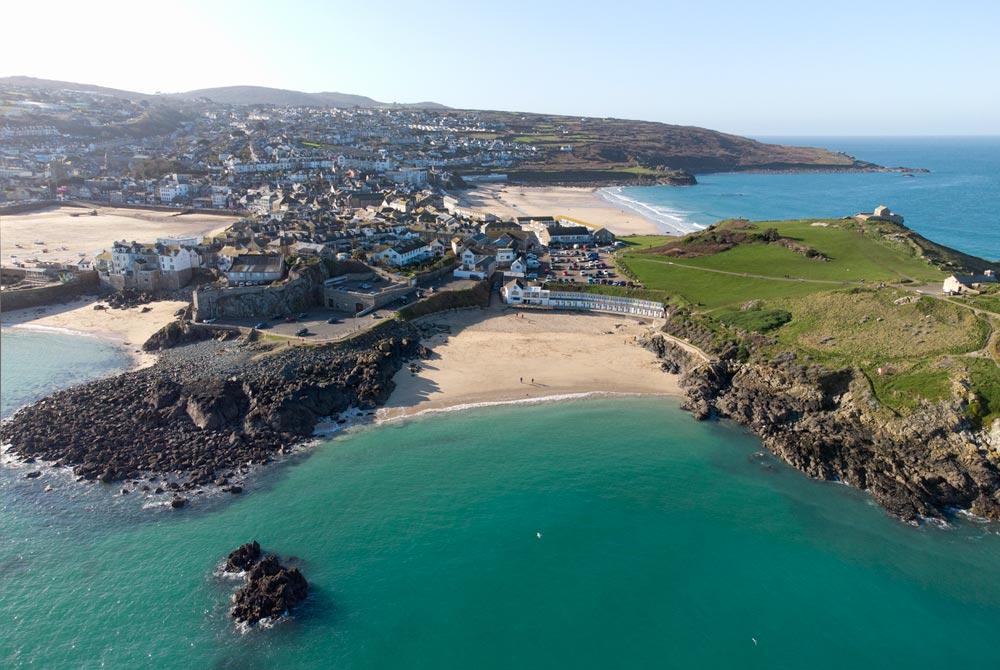 Porthgwidden BeachWest Cornwall
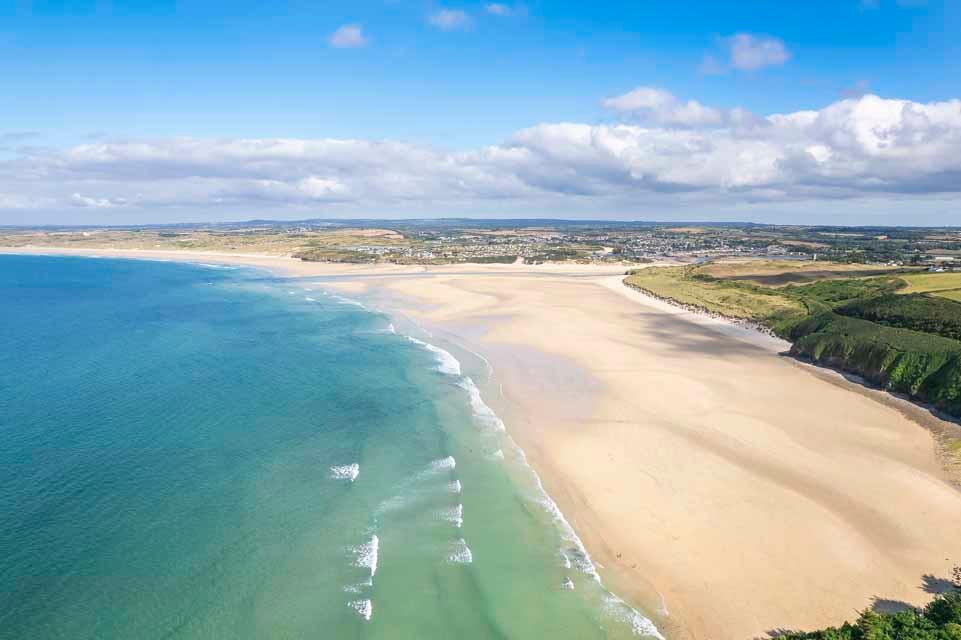 Porthkidney BeachWest Cornwall
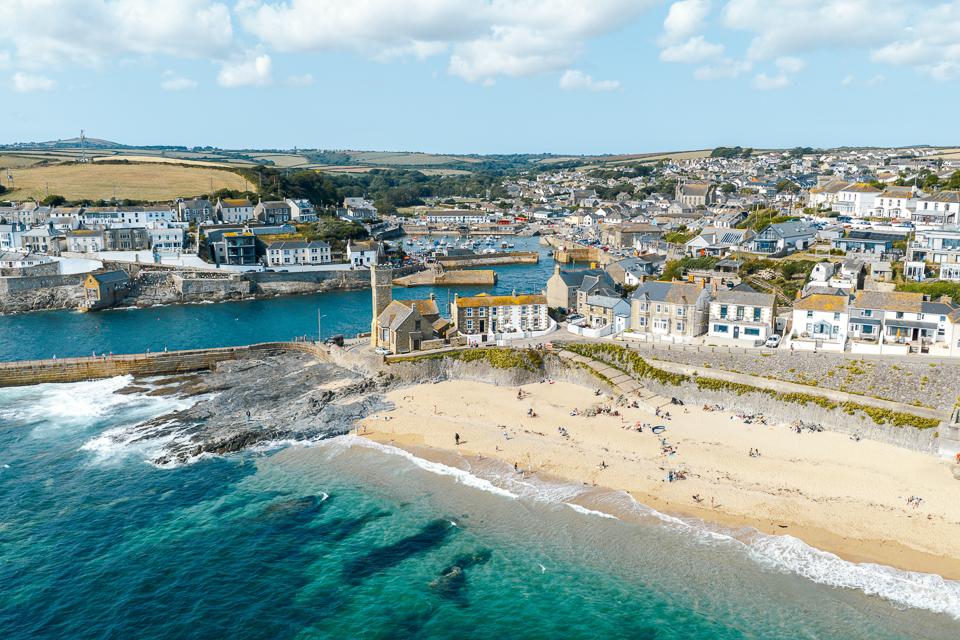 Porthleven BeachWest Cornwall
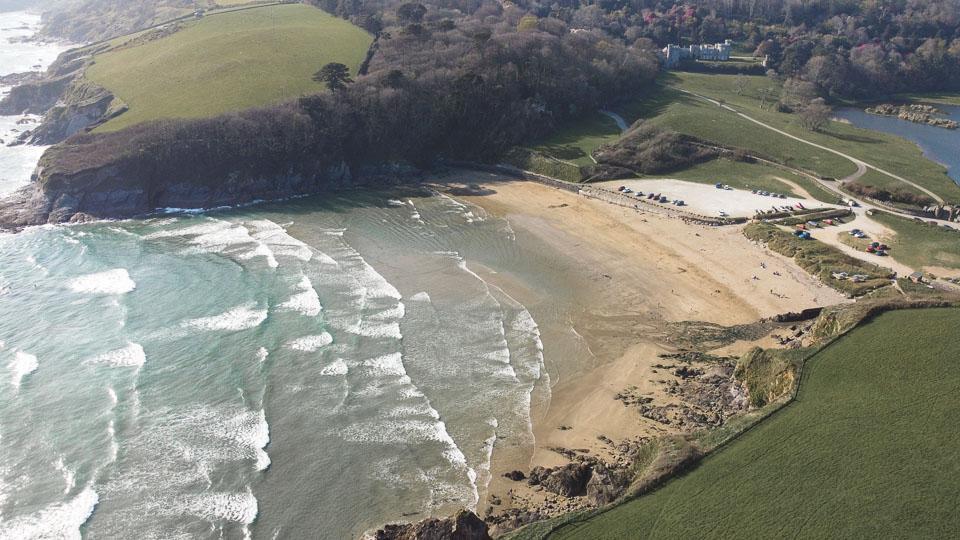 Porthluney Cove BeachSouth East Cornwall
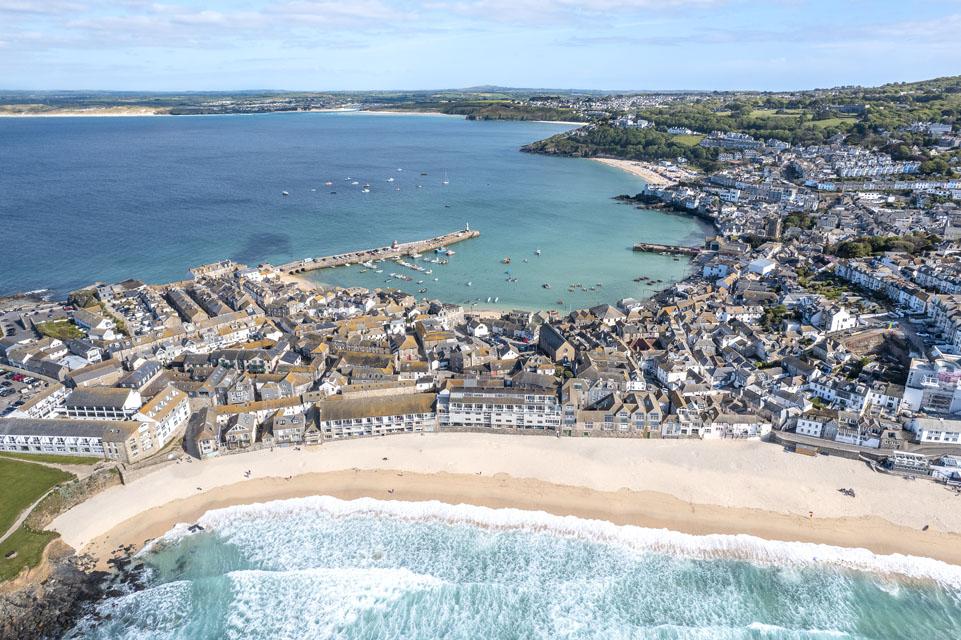 Porthmeor BeachWest Cornwall
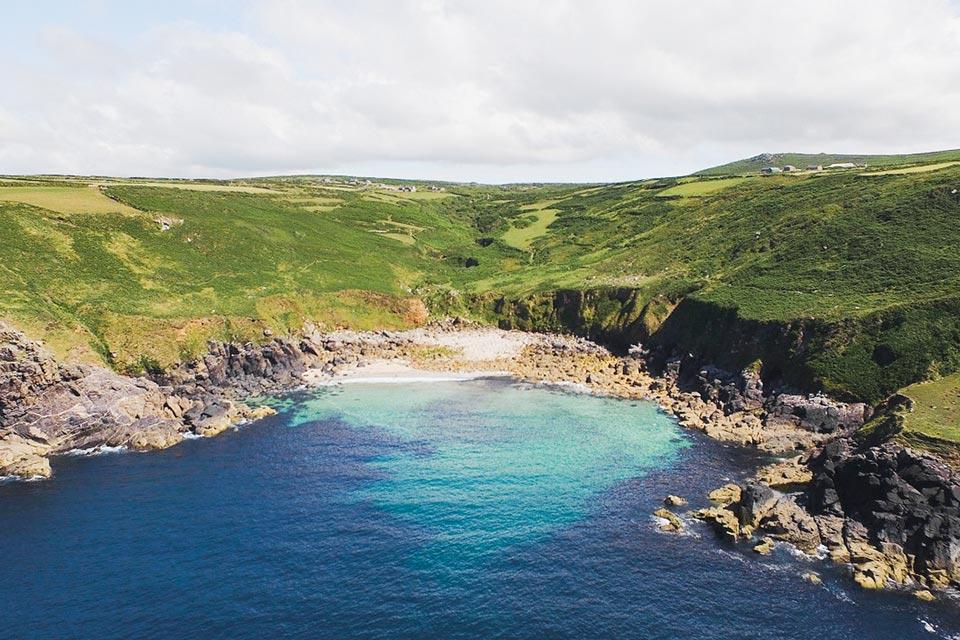 Porthmeor CoveWest Cornwall
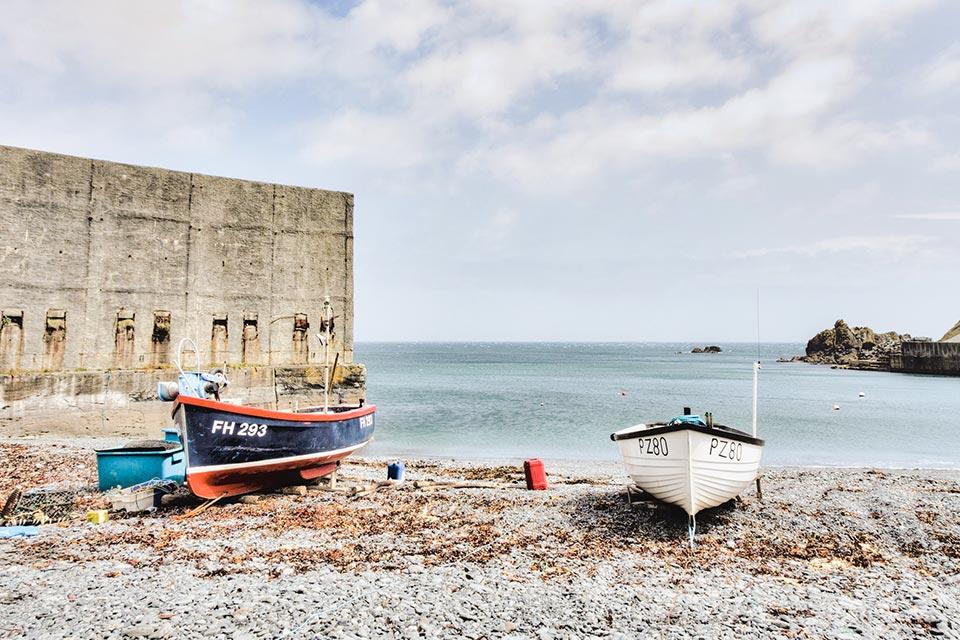 Porthoustock BeachWest Cornwall
 Porthpean BeachSouth East Cornwall
 Porthtowan BeachNorth Cornwall
 Portmellon BeachSouth East Cornwall
 Portreath BeachNorth Cornwall
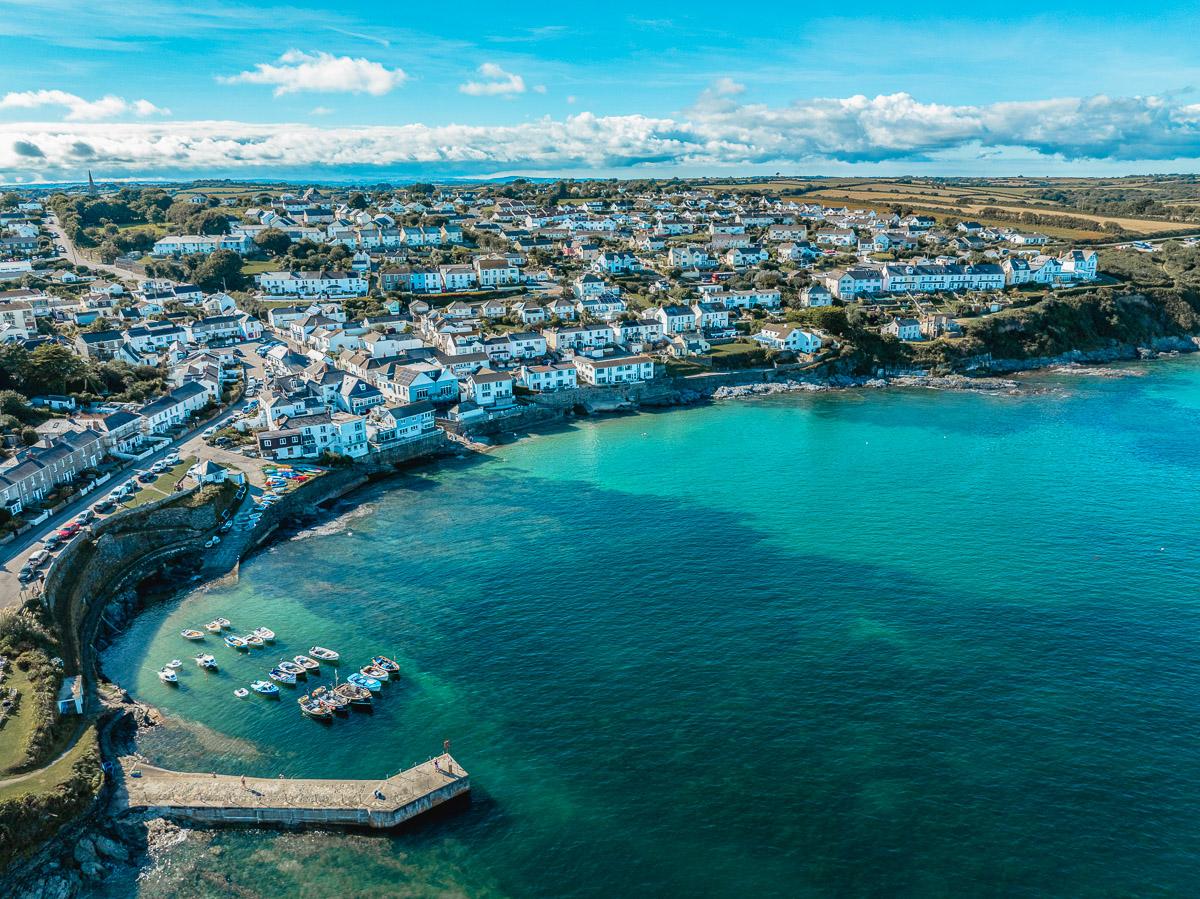 Portscatho BeachCentral Cornwall
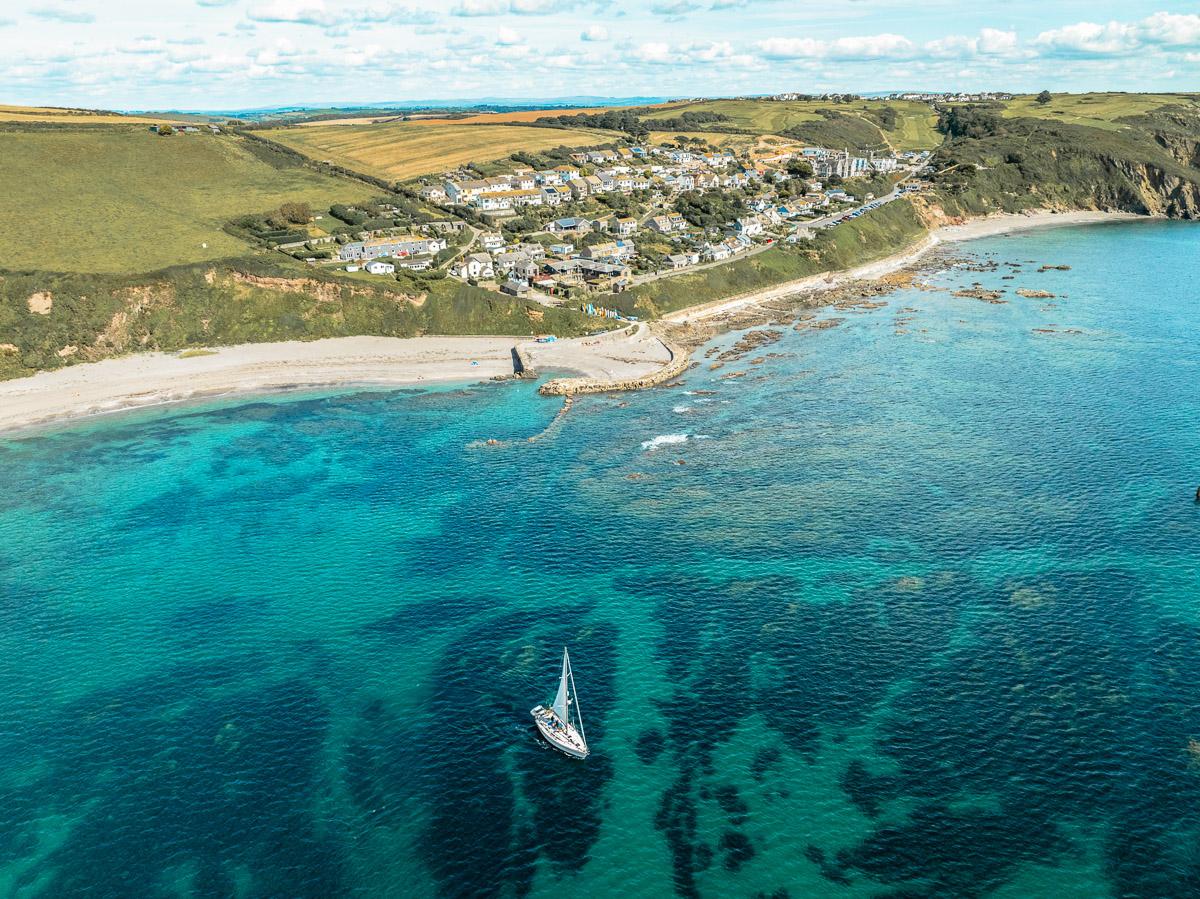 Portwrinkle BeachSouth East Cornwall
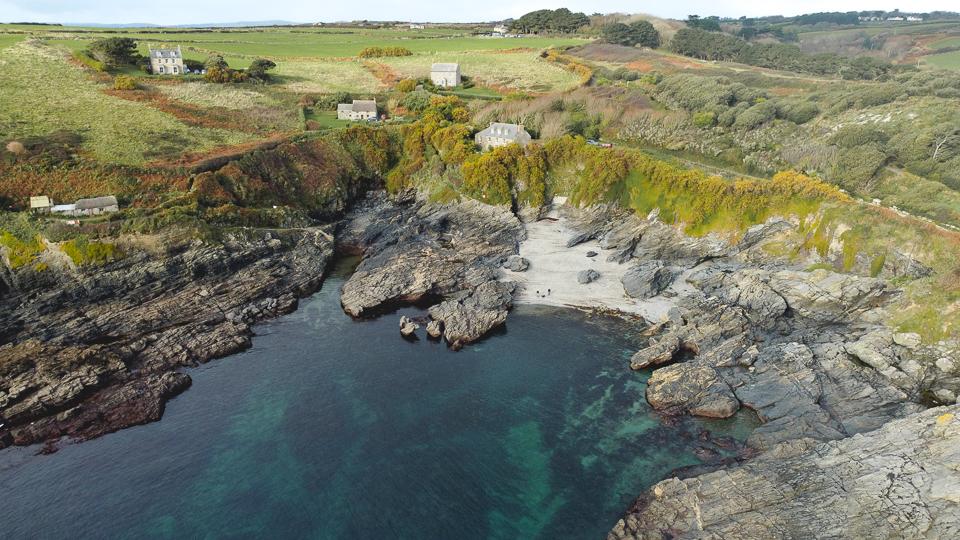 Prussia CoveWest Cornwall
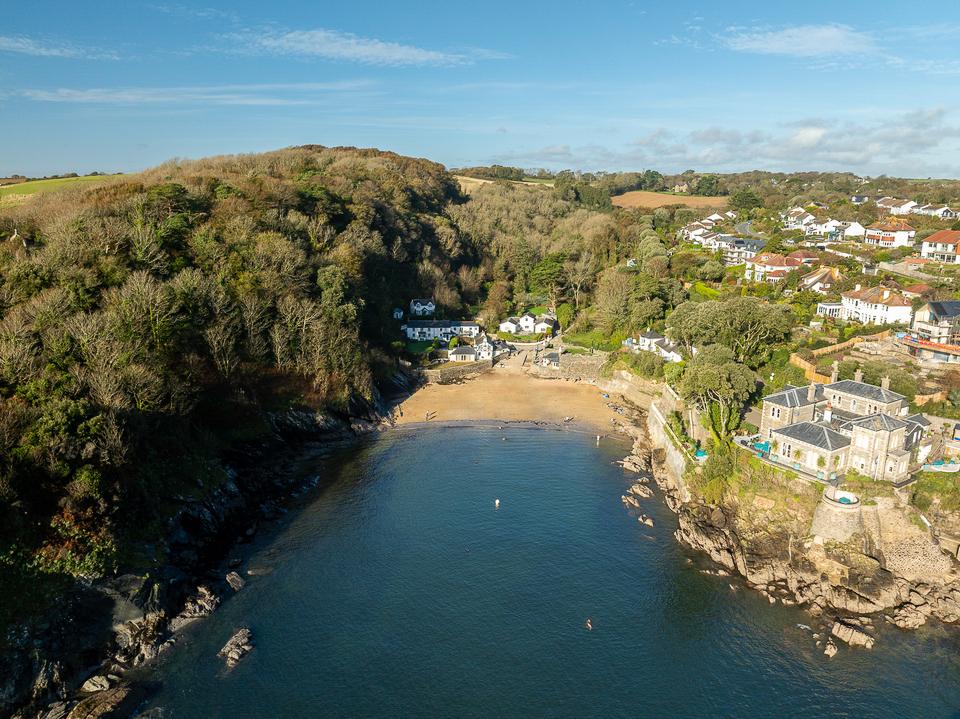 Ready Money Cove BeachSouth East Cornwall
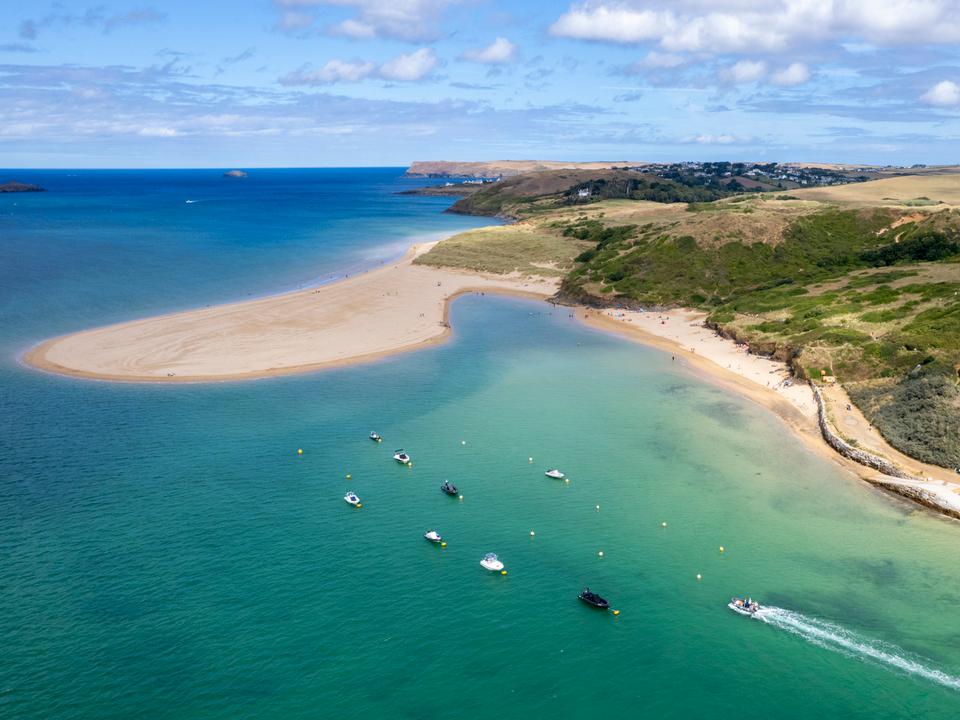 Rock BeachNorth Cornwall
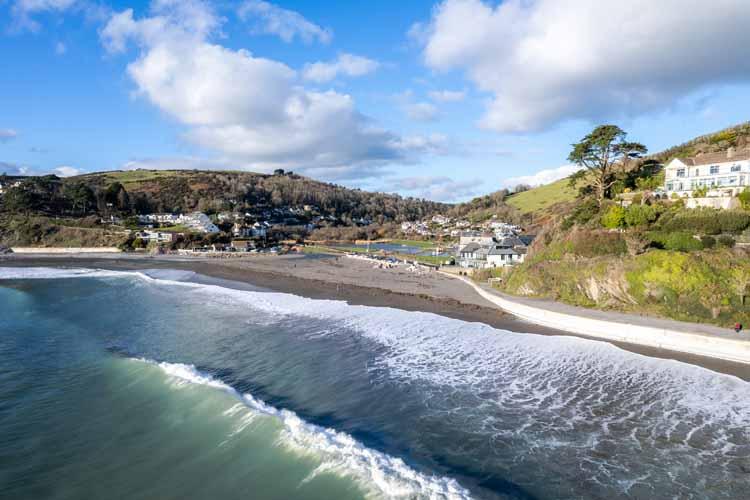 Seaton BeachSouth East Cornwall
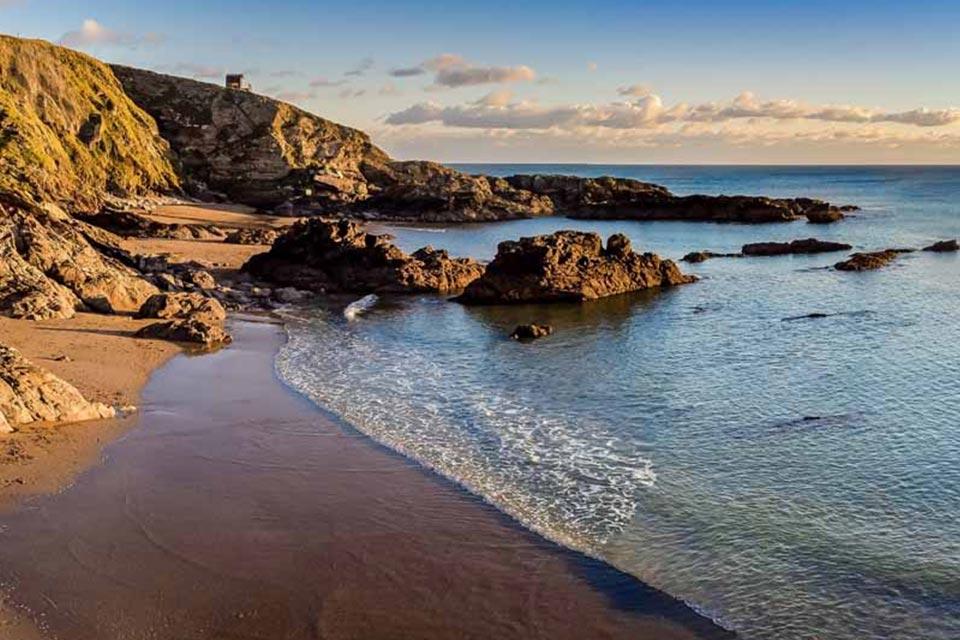 Sharrow BeachSouth East Cornwall
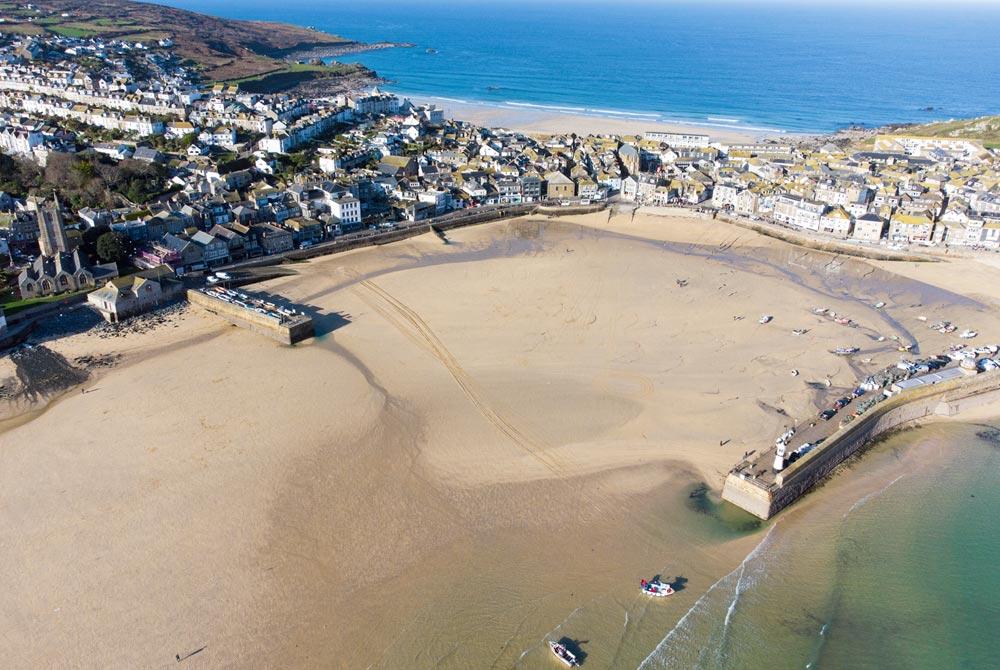 St Ives Harbour BeachWest Cornwall
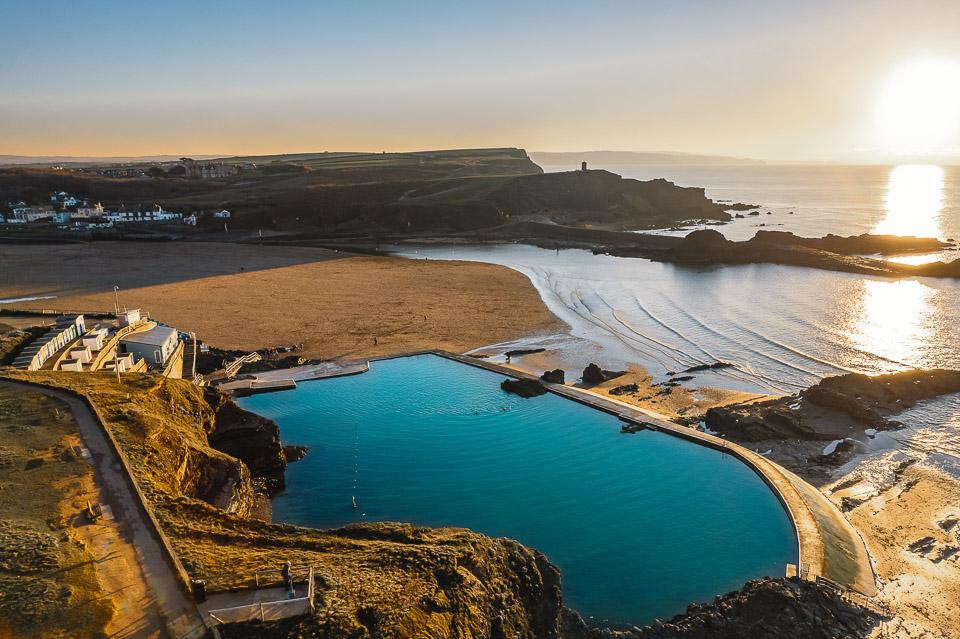 Summerleaze BeachNorth Cornwall
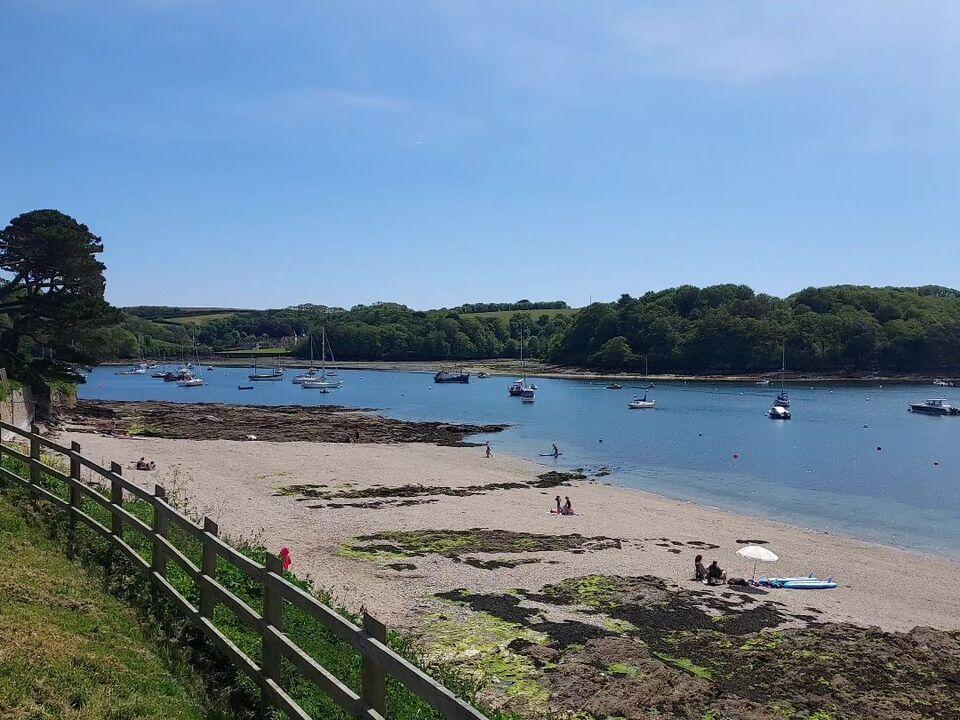 Summers BeachCentral Cornwall
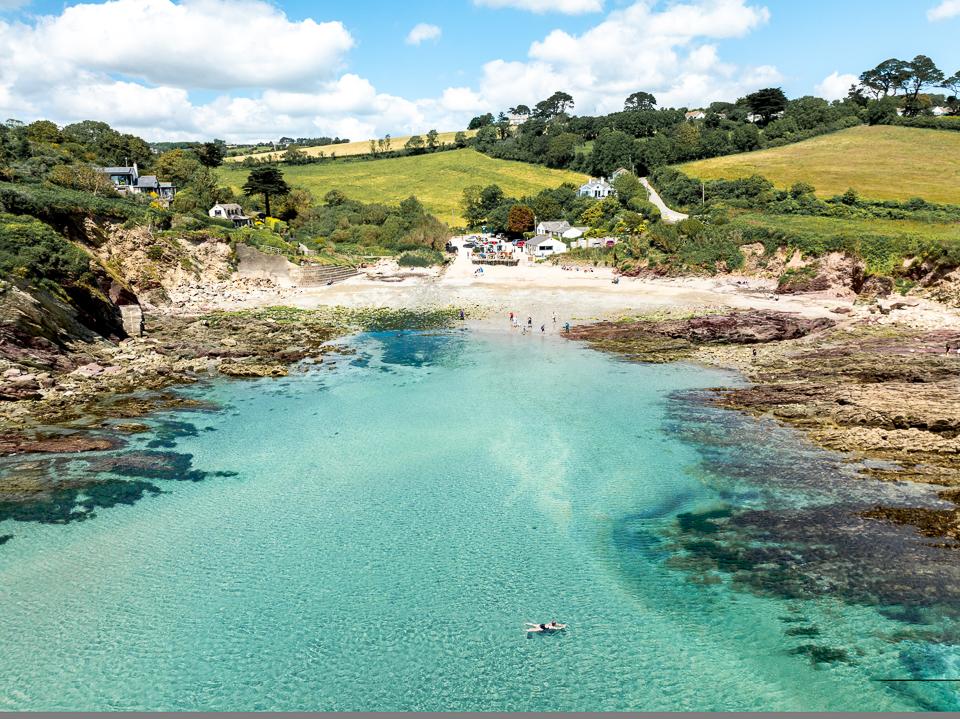 Talland Bay BeachSouth East Cornwall
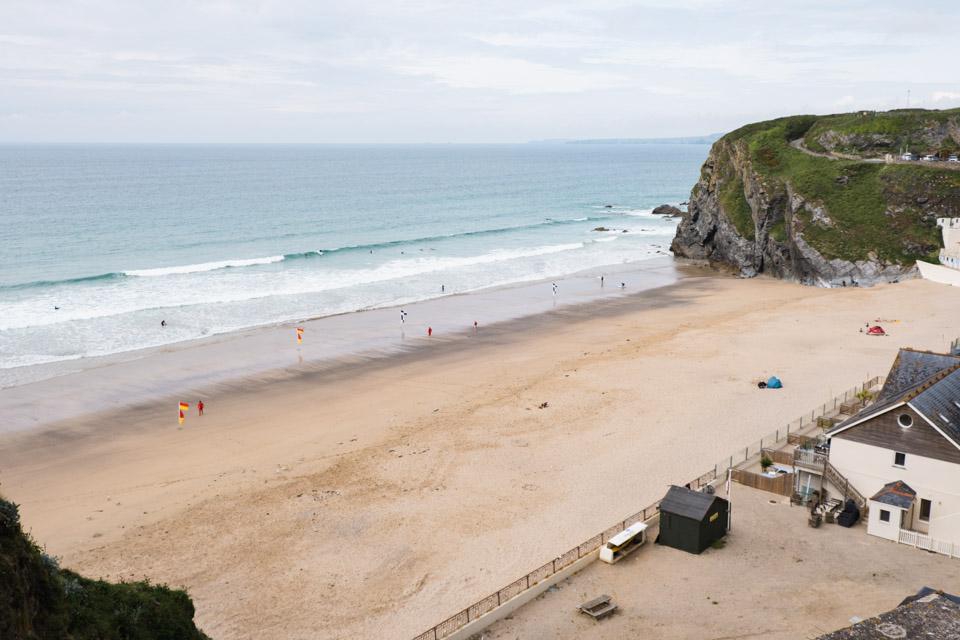 Tolcarne BeachNorth Cornwall
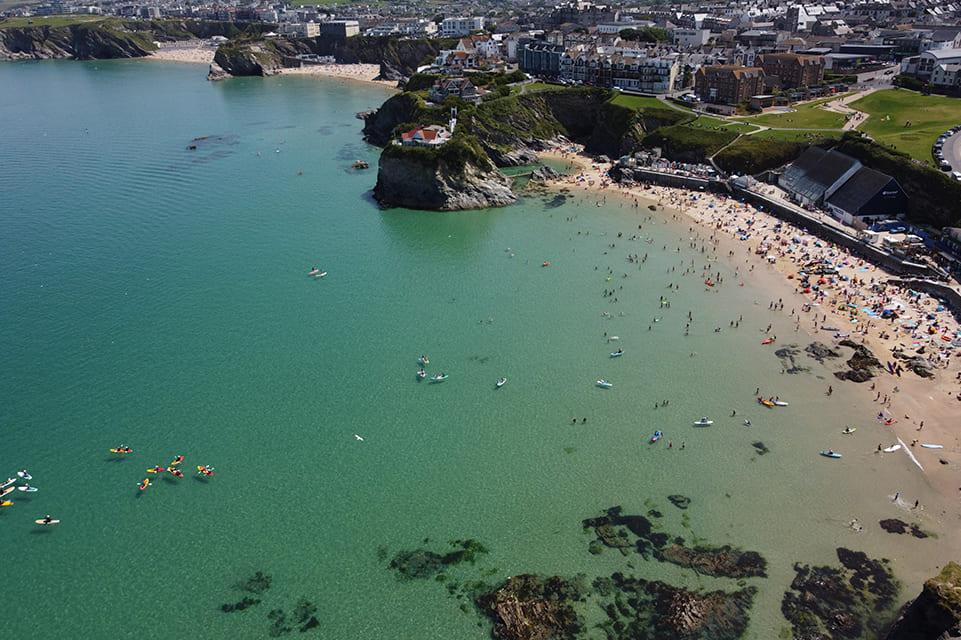 Towan BeachNorth Cornwall
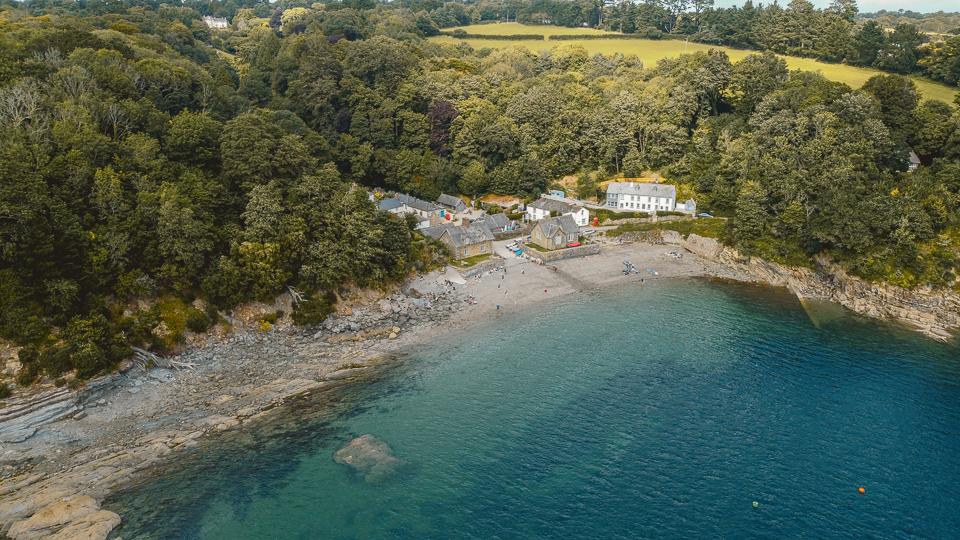 Trebah BeachCentral Cornwall
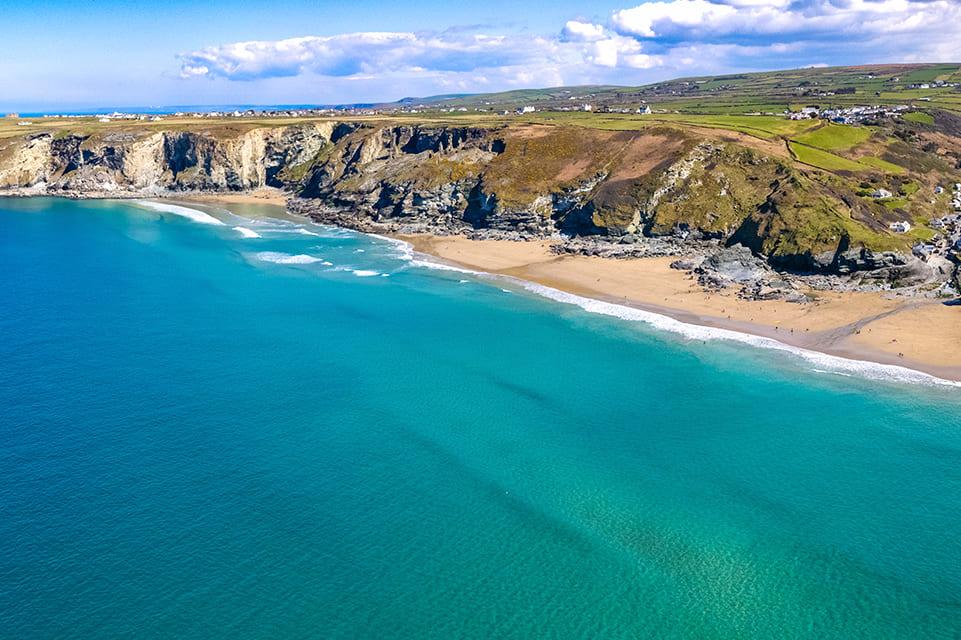 Trebarwith Strand BeachNorth Cornwall
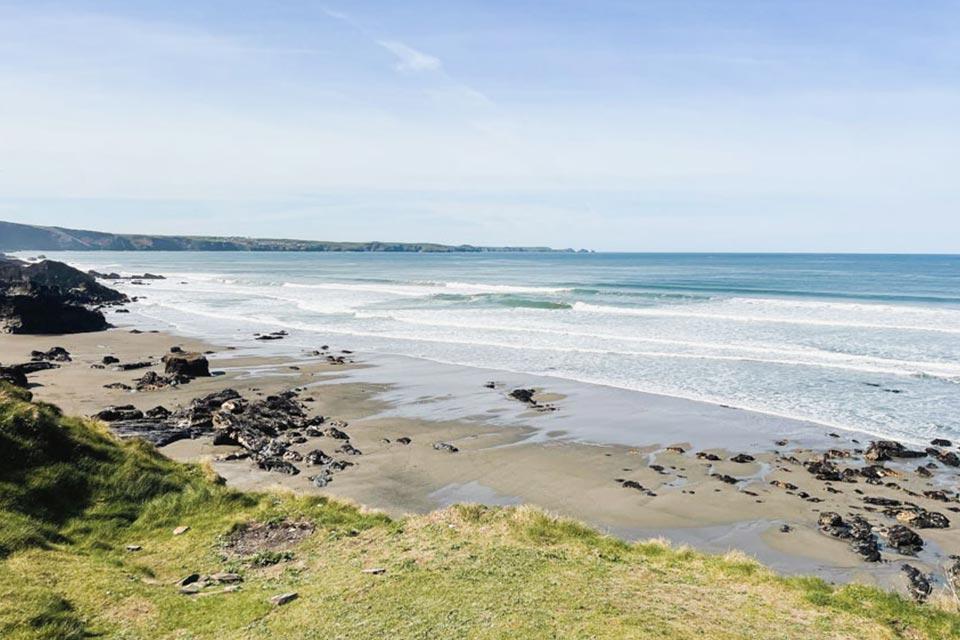 Tregardock BeachNorth Cornwall
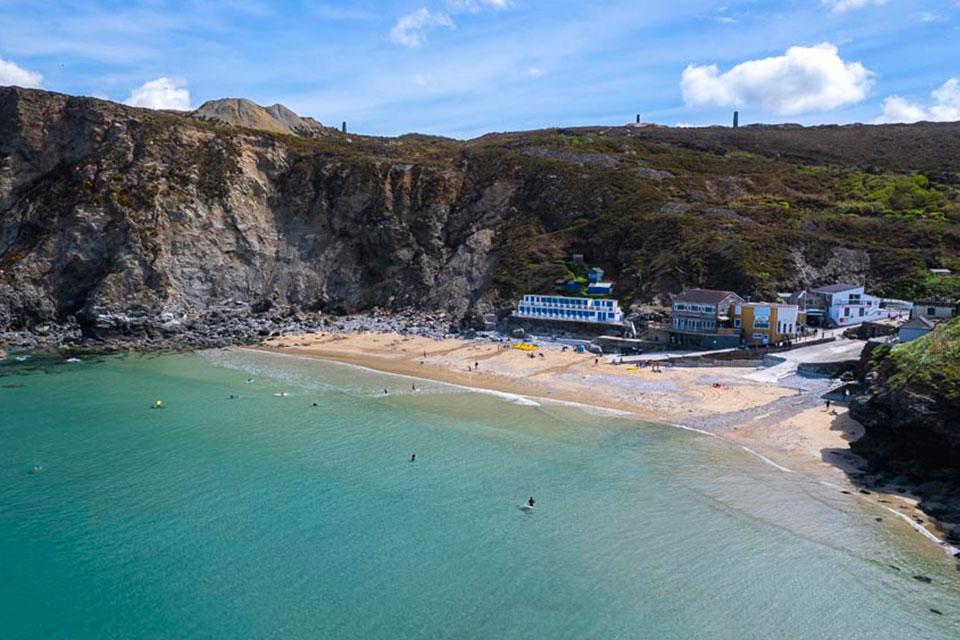 Trevaunance Cove BeachNorth Cornwall
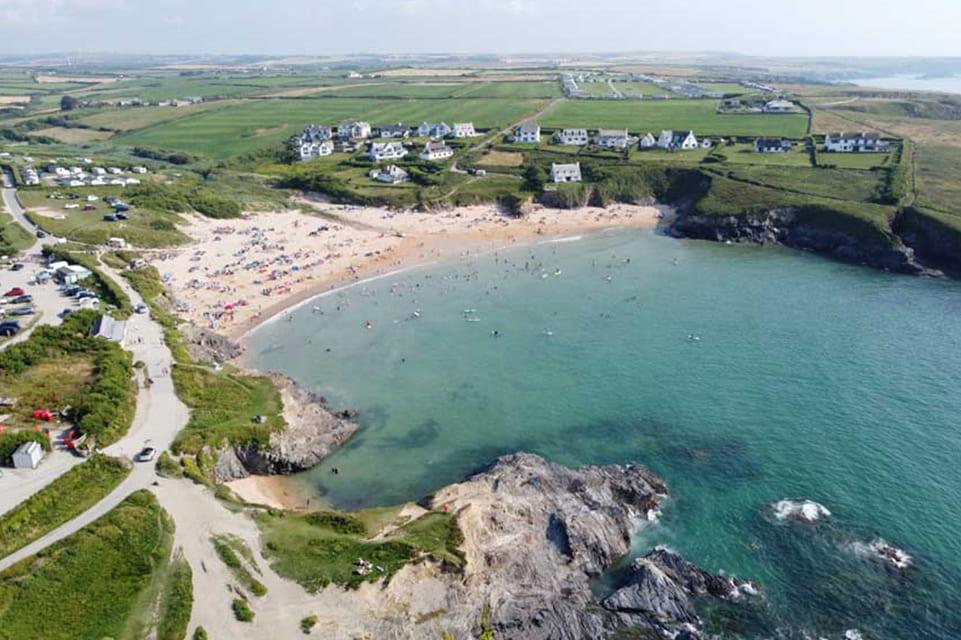 Treyarnon Bay BeachNorth Cornwall
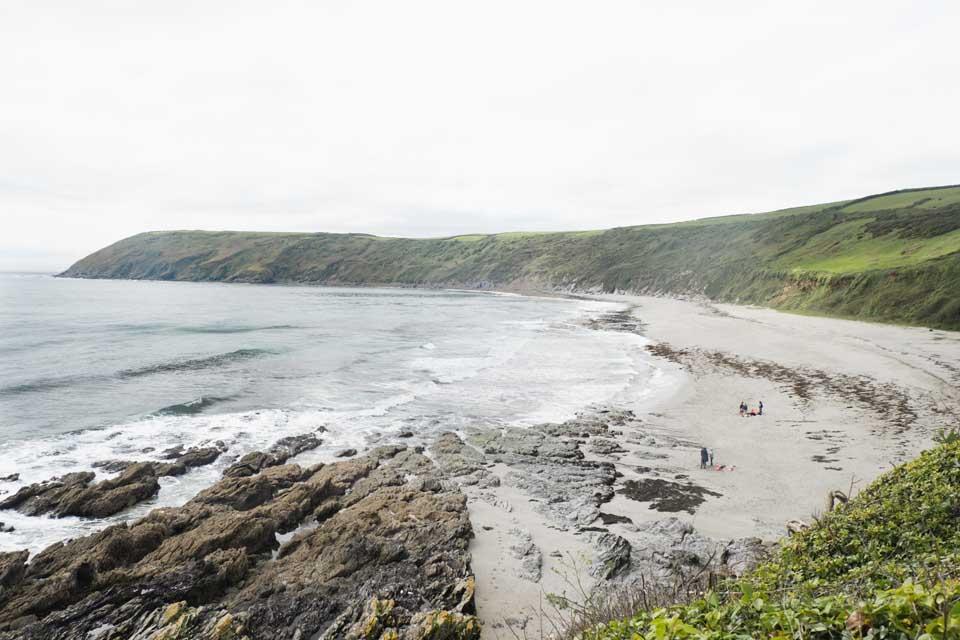 Vault BeachSouth East Cornwall
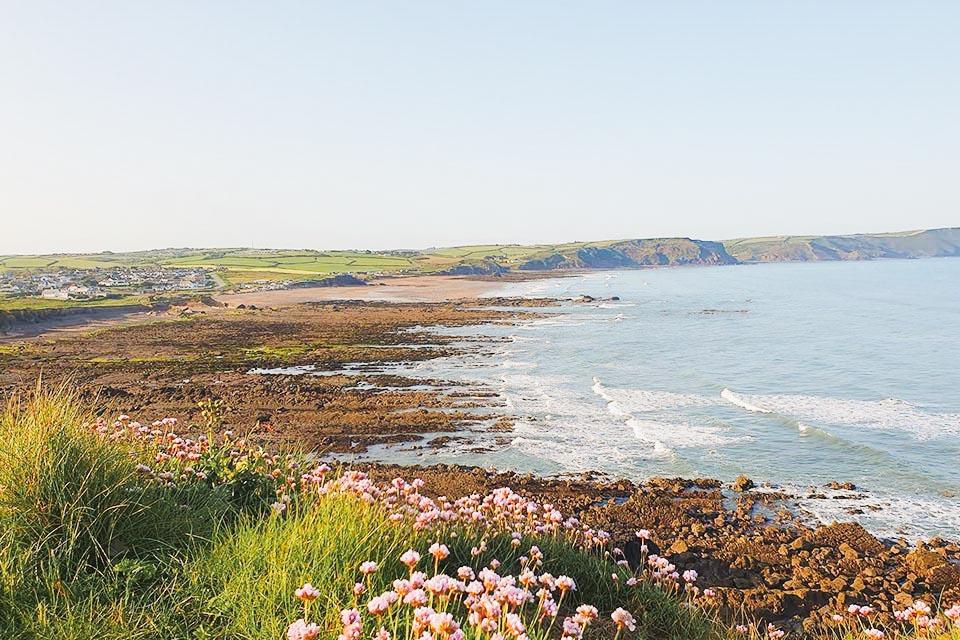 Widemouth Bay BeachNorth Cornwall
Showing Porthcurno Beach and every other town and beach with tide times.
Browse all beachesTowns near Porthcurno Beach
All townsMore on Porthcurno Beach
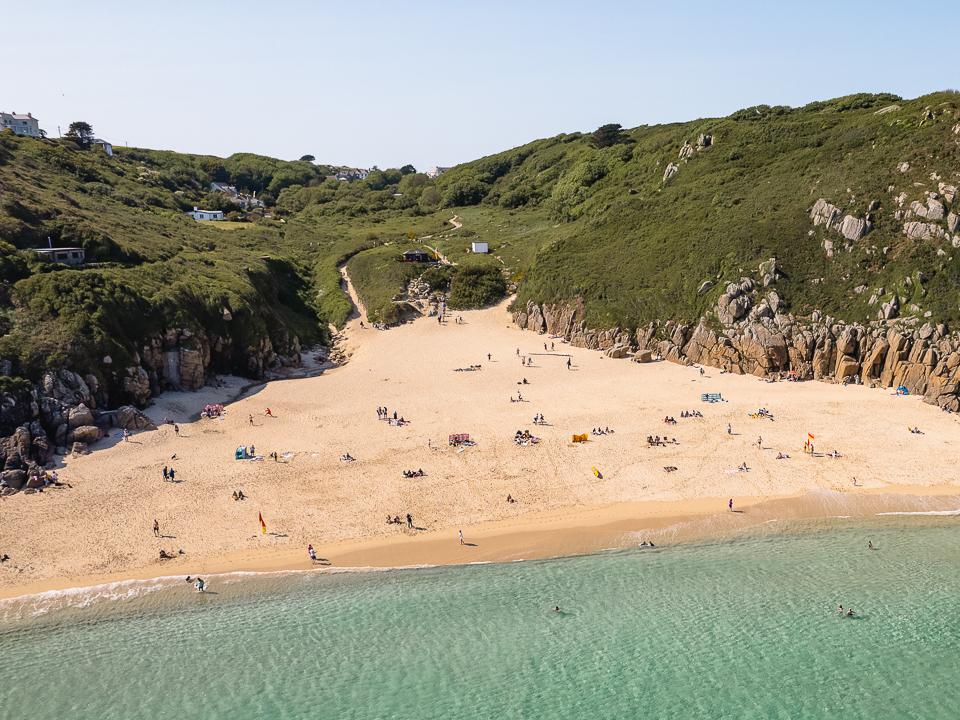
Beach guidePorthcurno BeachWest CornwallShell-white sand below the Minack Theatre, framed by granite cliffs on both sides.Read the guide Weather for Porthcurno BeachToday and the days aheadOpen Map for Porthcurno BeachStreet, satellite and terrainOpen Things to do for Porthcurno BeachWhat is near Porthcurno BeachOpen