Discover
Portreath Beach
Porteath Beach is another one of Cornwall’s golden sandy beaches on the North Coast and a popular surfing beach but its also a great family friendly beach at low tide with lots of
About Portreath Beach
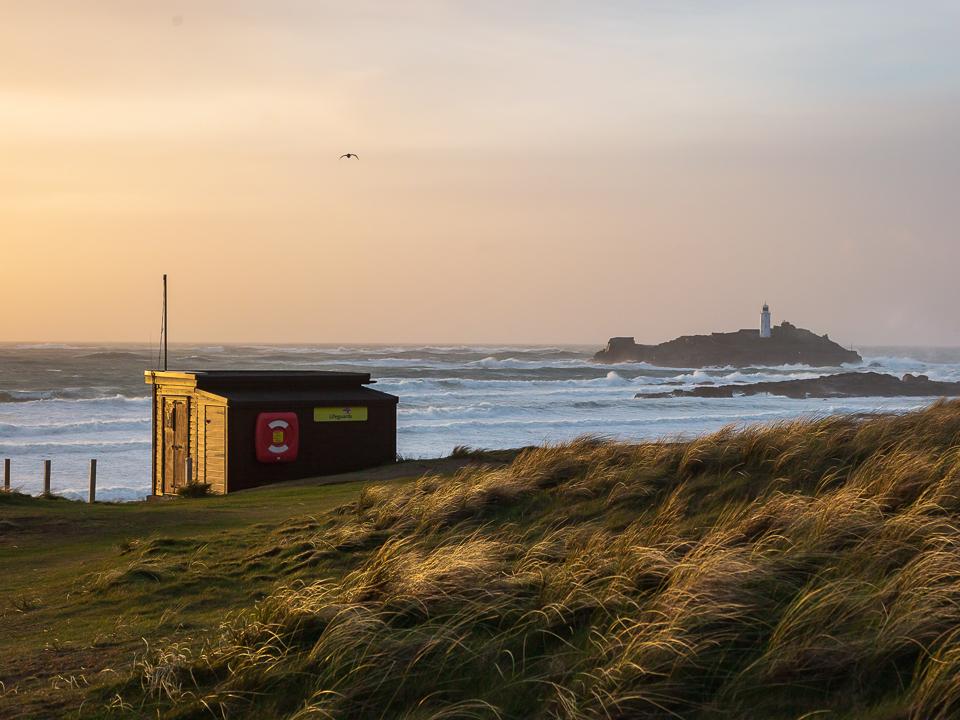
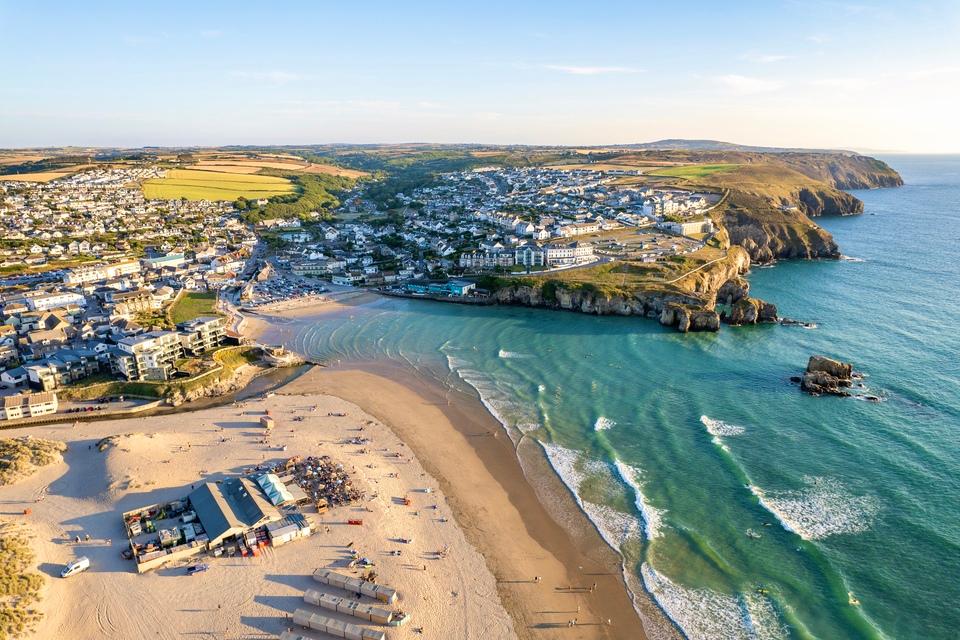
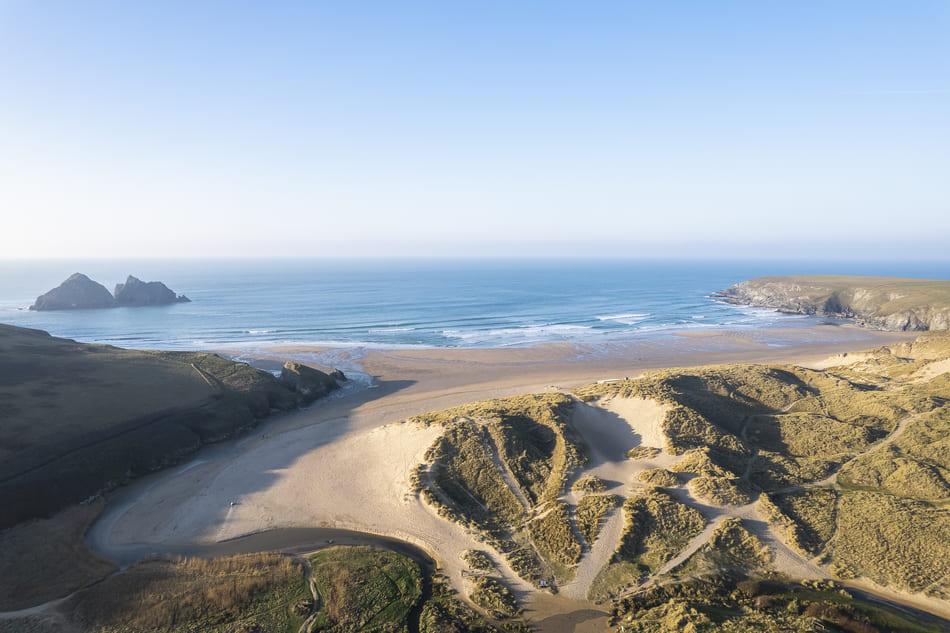
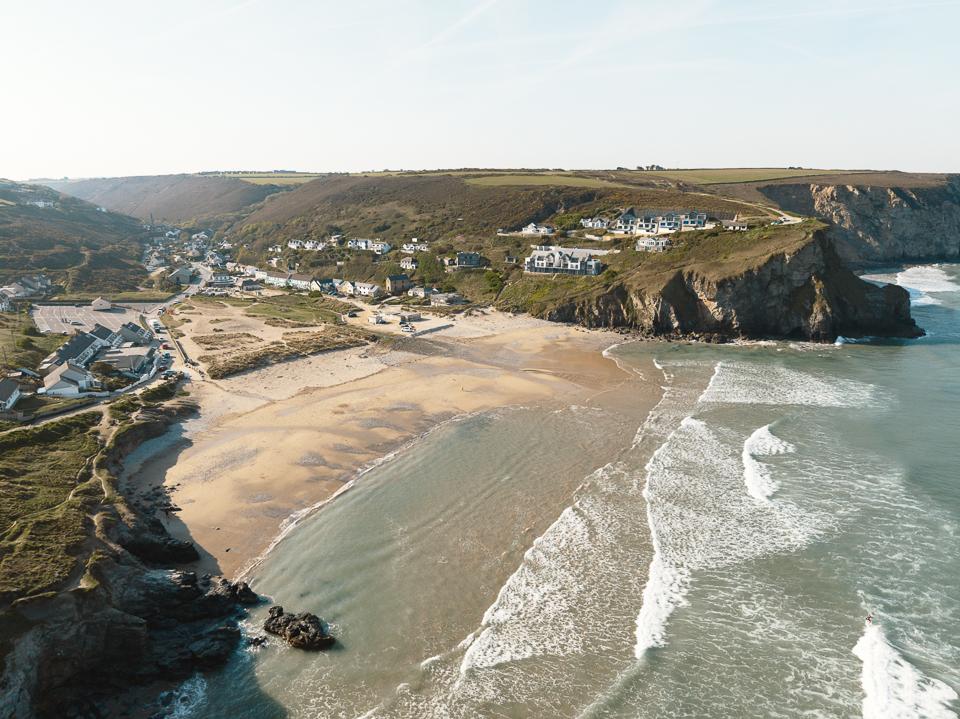
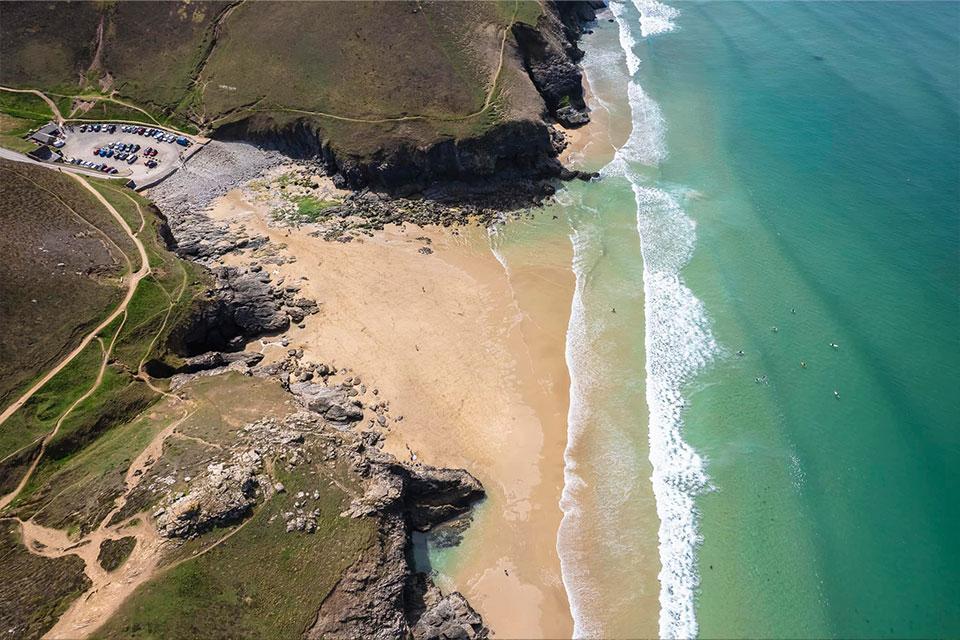
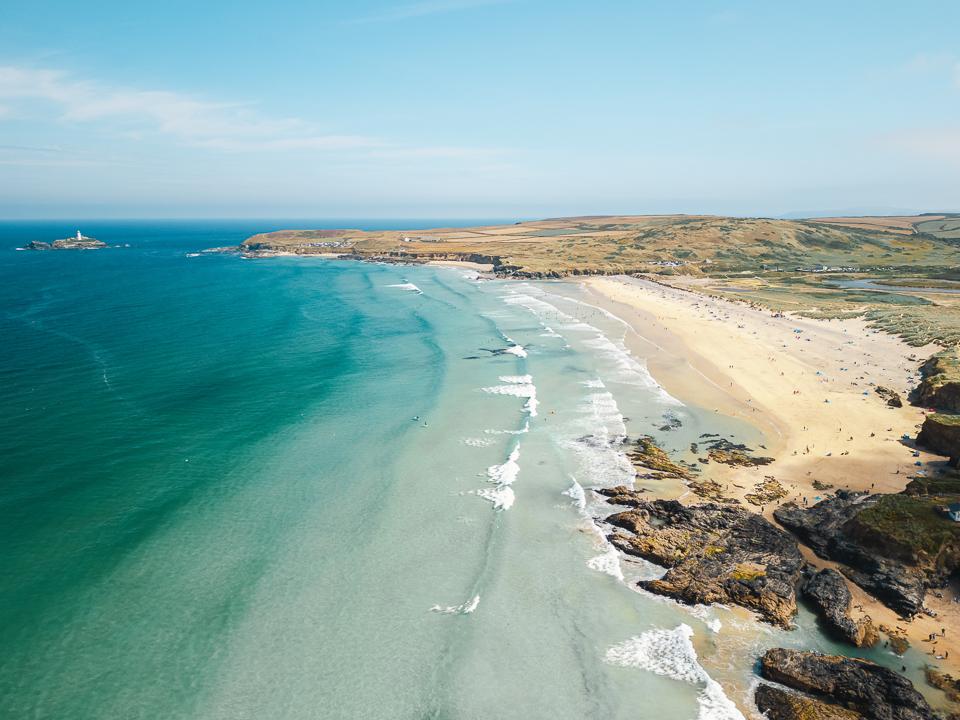
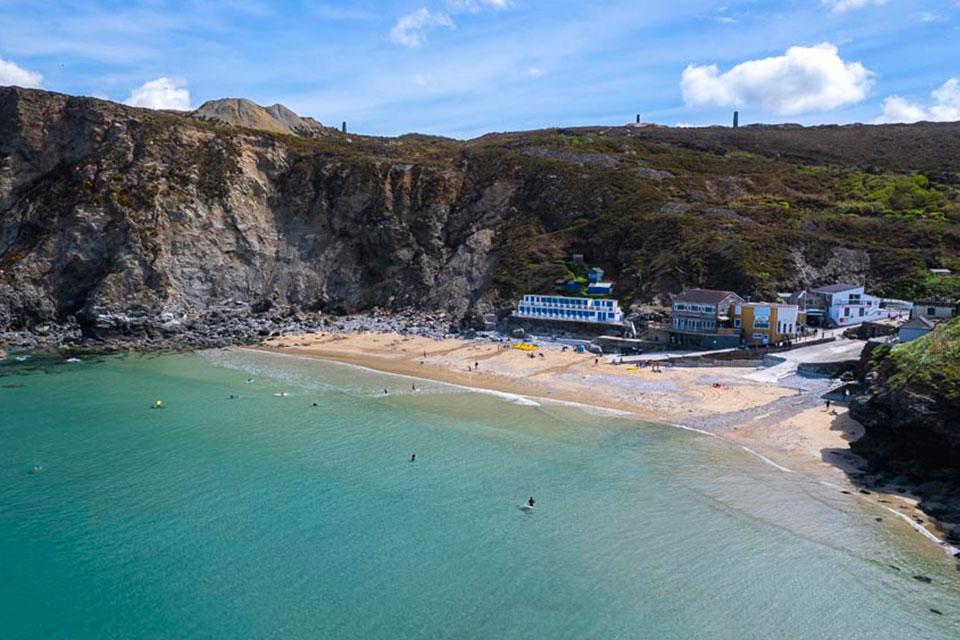
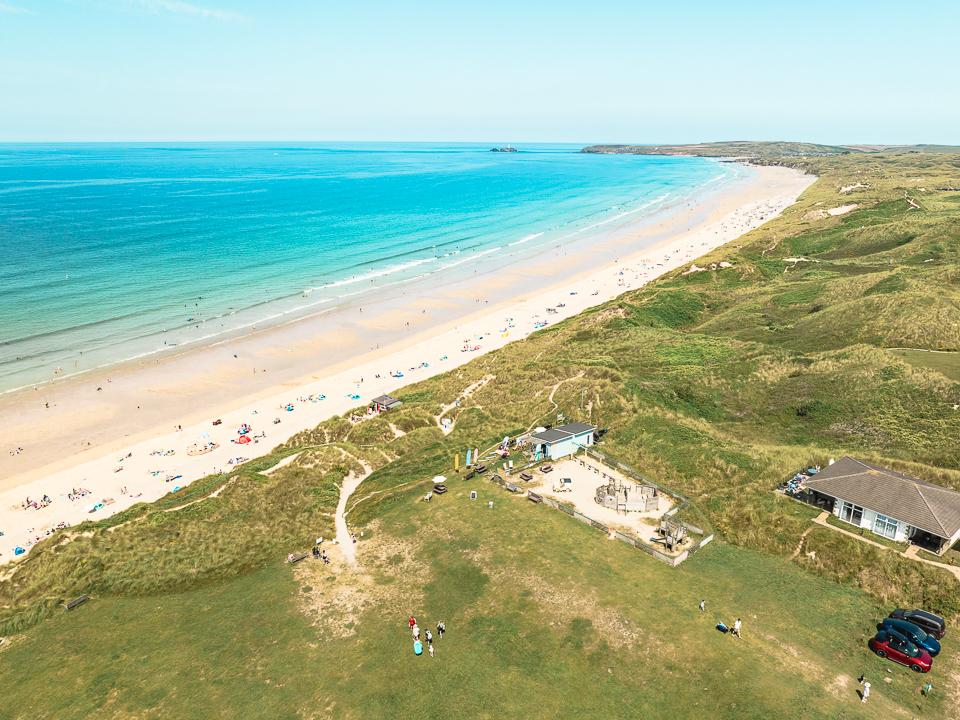
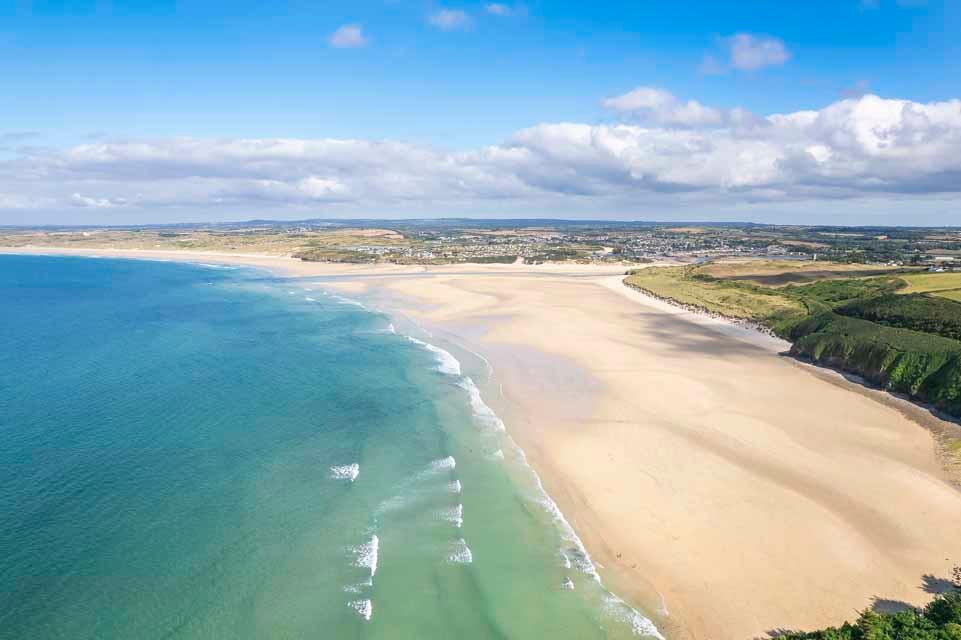
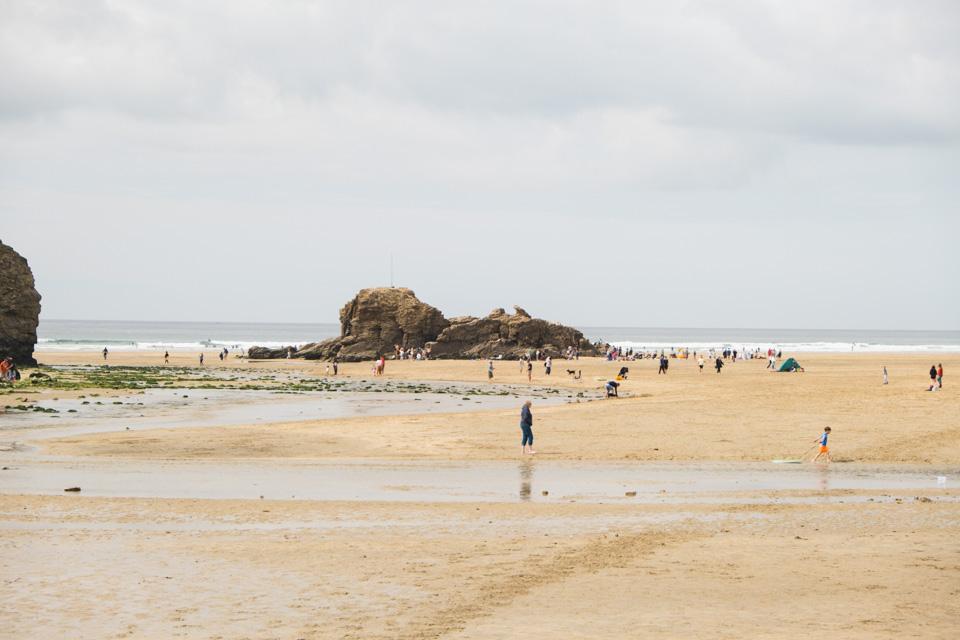
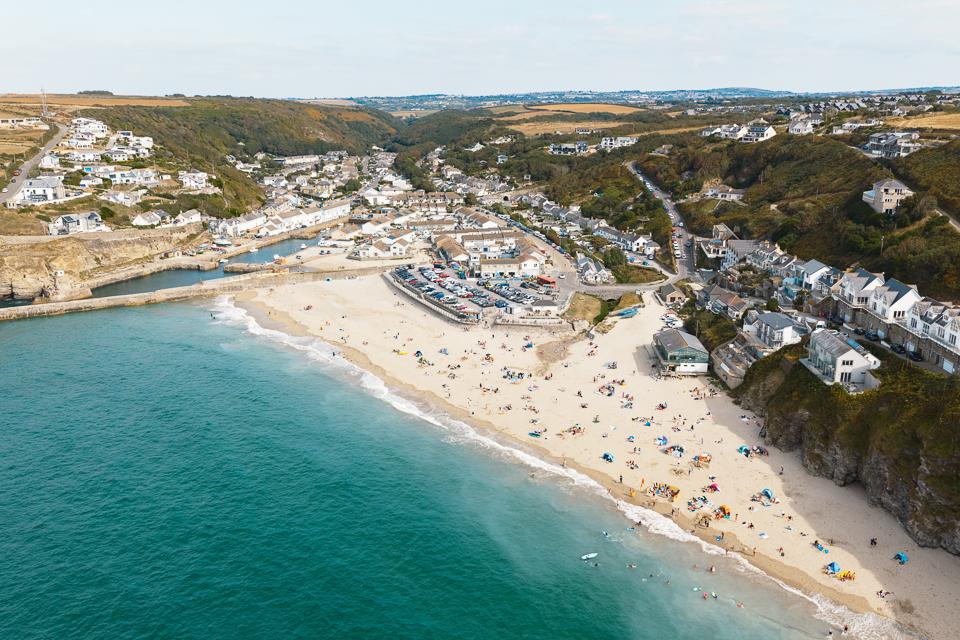
Porteath Beach is another one of Cornwall’s golden sandy beaches on the North Coast and a popular surfing beach but its also a great family friendly beach at low tide with lots of space for the children to play. Surrounding this beach are high cliffs which do block some of the wind. This beach is also known for the small hut at the end of the harbour wall which in the winter receives a pounding from the wild Atlantic swells. Portreath beach was once full of boats as it was a historic port importing coal and exporting copper but now is home to very few fishing boats.
ToiletsPortreath Beach toilets are located next to the the hub cafe, and additional facilities are available towards the town center. Toilets are closed during dusk.
Getting onto the beachAccess to the beach via ramp at harbour end of car park. Some designated disabled parking spaces in the beachfront car park.
Are dogs allowed on Portreath Beach?
Dogs are not allowed on Portreath Beach from 10am to 6pm, 1 July to 31 August, and are welcome the rest of the year.
- Dogs
- No dogs 10am to 6pm, 1 Jul to 31 Aug
- Restriction dates
- 1 July to 31 August
- Hours
- 10am to 6pm
- Set by
- Cornwall Council
- Last checked
- 15 October 2026
Tide times
Tides today at Portreath Beach
Next high water
Next low water
- Low 4:59am 3.0m
- High 11:12am 5.1m
- Low 5:58pm 2.8m
- High 11:51pm 4.8m
Tomorrow, Thursday 19 November
- Low 6:28am
- High 12:26pm
- Low 7:07pm
Important beach information
The sea here is beautiful and genuinely powerful. A few minutes reading this is the difference between a good day and a bad one.
Know before you swimRip currents, weever fish, jellyfish, cold water, tide cut-off
Rip currents
Rips are narrow channels of water flowing back out to sea, and they're the single biggest risk on Cornwall's Atlantic beaches. They often look deceptively calm: a flat, darker lane cutting through the breaking waves. If you're caught in one, don't try to swim against it. Stay calm and float to live: lean back, spread your arms and legs, and control your breathing until the panic passes. Then raise a hand and shout for help, or swim parallel to the beach to get out of the flow before heading in.
Weever fish
Small, sandy-coloured fish that bury themselves in the shallows, leaving venomous spines pointing upwards. Stings are most common on a low, warm summer tide and feel like a sharp, building burn in the foot. Treat by immersing the foot in water as hot as you can comfortably stand, around 40°C, for 30 to 90 minutes, which breaks the venom down. Beach shoes prevent almost all of them.
Jellyfish
Barrel, moon and compass jellyfish are common and mostly harmless. Lion's mane and the occasional Portuguese man o' war do sting, and still sting when washed up, so don't handle stranded ones. If you're stung, rinse with seawater rather than fresh, lift off any tentacles with the edge of a card, and get medical help if the reaction spreads or breathing is affected.
Cold water shock
Even in August the sea here rarely gets past 17°C. Going in fast triggers an involuntary gasp and a spike in heart rate. The reason many strong swimmers get into trouble. Walk in gradually, let your breathing settle before you swim out, and float rather than thrash if you get into difficulty.
Getting cut off by the tide
A lot of Cornwall's best coves shrink to nothing at high water, and the sea comes in behind you across a sandbar without any drama. Check the tide before you commit to a walk around a headland, and give yourself a wide margin on the way back.
In an emergency on the coast, call 999 or 112 and ask for the Coastguard.
Wildlife on this stretch of coastGrey seals, dolphins, basking sharks, seabirds
Grey seals
Cornwall holds a significant population, hauled out on rocks and quieter beaches year-round. Stay at least 100 metres away, keep dogs on leads near them, and never get between a seal and the water, disturbance forces them off the rocks and burns energy they need.
Dolphins and basking sharks
Bottlenose and common dolphins pass along this coast all year, and basking sharks, harmless plankton feeders, and the second-largest fish in the world, appear near the surface in late spring and early summer.
Seabirds and clifftop life
Fulmars, kittiwakes, gannets offshore and, increasingly, choughs on the western cliffs. Nesting season runs roughly March to July, so keep to the paths and dogs under control on clifftops.
Spotted a stranded marine animal?
If you find a live seal, dolphin, whale or turtle in distress on the beach, keep people and dogs well away and call British Divers Marine Life Rescue for expert help. Please don’t touch, feed or try to move the animal, and never push it back into the sea.
Call BDMLR01825 765546Your call could save its life.
Water quality at Portreath Beach
2025 season classification
Excellent
Measured at the designated bathing water Portreath.
What this rating meansHow the Environment Agency works it out
This is the highest of the four ratings the Environment Agency gives, based on water samples the Environment Agency took across the 2025 bathing season and tested for E. coli and intestinal enterococci.
Checking today’s water
The rating above covers a whole season. It does not tell you about the water today. Quality can drop sharply after heavy rain, and storm overflows can discharge into the sea at short notice. Before going in, check a source that updates daily.
Where this comes fromEnvironment Agency open data, and what we do not claim
Water quality information on this page is republished from Environment Agency open data under the Open Government Licence v3.0. We reproduce it as published and do not test water ourselves, verify the readings, or monitor them continuously, so figures here may be out of date or incomplete. Nothing on this page is advice on whether it is safe to enter the water. That decision, and the conditions on the day, are yours to judge. Always check the official sources above before you swim.
Weather and sea conditions
Weather today
12°C
Thunderstorm, high 13°, low 10°
Sea temperature
13°C
Wetsuit weather
Next few days at Portreath Beach
Wed
13°
10°
Light showers
Thu
12°
10°
Light showers
Fri
11°
9°
Light showers
Weather Powered by WeatherAPI.com, refreshed hourly. Always check conditions on the day before entering the water. Sea temperature: Generated using E.U. Copernicus Marine Service Information.
Map
Where Portreath Beach sits on the coast, with the beaches either side of it. Tap a pin to open its guide.
Portreath Beach FAQ
Are dogs allowed on Portreath Beach?
Dogs are not allowed on Portreath Beach from 10am to 6pm, 1 July to 31 August, and are welcome the rest of the year. The rule is set by Cornwall Council.
Is the water clean at Portreath Beach?
Portreath Beach is a designated bathing water, and the Environment Agency classified it as Excellent for the 2025 bathing season. That rating comes from samples taken across the whole season and tested for E. coli and intestinal enterococci, so it describes a season rather than the water on any given day. Quality can drop sharply after heavy rain. Check the Environment Agency's daily pollution risk forecast before you swim.
Where Is Portreath Beach?
Portreath beach is located in North Cornwall in between popular destinations of Hayle and St Agnes .
Is Portreath Beach Dog Friendly?
Yes, although there is a seasonal dog ban between 1st July to 31st August from 10am to 6pm
Can You Swim At Portreath Beach?
Yes, Portreath beach is a great beach to swim although there is big rip currents here and always judge conditions before going in the sea along with always swimming with a partner.
Is There Toilets At Portreath Beach?
Yes, public toilets are located on the car park.
What Is Portreath Beach Postcode?
The postcode for Portreath Beach is TR16 4NN. Nearby Beaches .elementor-4818 .elementor-element.elementor-element-1c866a8{--display:flex;--flex-direction:column;--container-widget-width:calc( ( 1 - var( --container-widget-flex-grow ) ) * 100% );--container-widget-height:initial;--container-widget-flex-grow:0;--container-widget-align-self:initial;--flex-wrap-mobile:wrap;--align-items:stretch;--gap:0px 0px;--row-gap:0px;--column-gap:0px;border-style:solid;--border-style:solid;border-color:#ECECEC;--border-color:#ECECEC;--border-radius:25px 25px 25px 25px;--padding-top:0px;--padding-bottom:0px;--
Frequently asked questions about Portreath Beach.
Reviews of Portreath Beach
What it is actually like, from people who have been.
No one has reviewed Portreath Beach yet. If you have been, yours will be the first.